Can AI Content Actually Make You Money? The Rules Nobody Explains to Store Owners
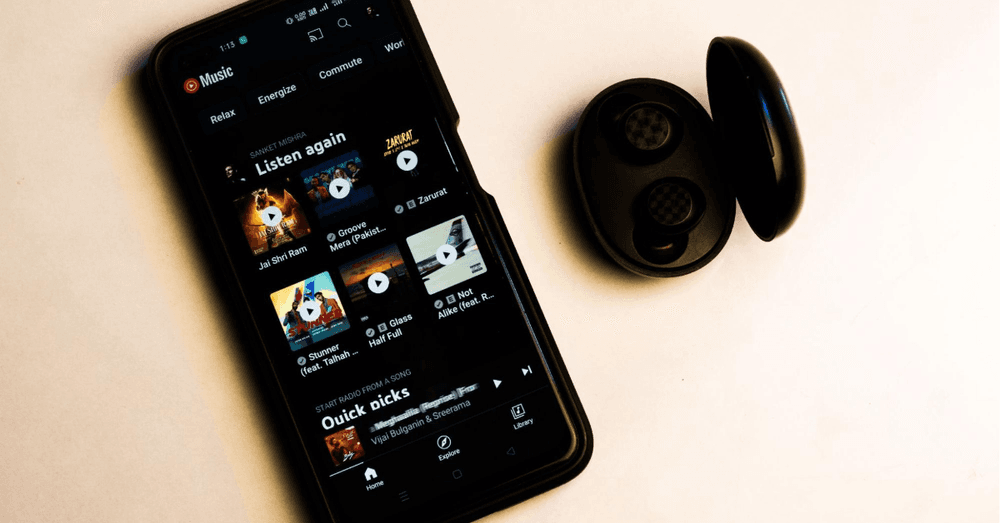
The question started in the music world and spread everywhere: if a machine made it, can you actually monetize it? Creators wanted answers. Platforms wrote policies. And somewhere in the middle, store owners started asking the same thing — because AI product copy, AI ad scripts, and AI images are already inside most ecommerce businesses.
I went down the rabbit hole so you don't have to — from the platforms' fine print to the revenue models that survive it. Along the way I tested the popular creation suites, including tools that let you
generate music with AI, just to understand where the quality bar really sits. Here's what the rules actually say — and what they mean for your store.The Rules Behind AI Content (What the Platforms Actually Say)
First, the uncomfortable truth: most platforms don't ban AI content — they ban inauthentic content. The line isn't 'made by a machine.' It's 'does this deceive, spam, or mass-duplicate?' Disclosure rules keep tightening, and the platforms that host your ads and your audience can change the definition overnight.
For a store owner, that translates to one rule worth tattooing on your monitor: AI can draft, but your brand must verify. Publish nothing you wouldn't proudly attach your store's name to — because you are.
How AI Content Actually Earns Its Keep (Proven Models)
Where does the money actually come from? Three models keep proving out. One: volume with quality control — AI handles the first draft at scale, humans approve the final ten percent. Two: personalization — product descriptions, emails, and ads adapted per audience faster than any team could manually. Three: speed-to-trend — shipping content while a trend is still warm.
Notice what none of these are: 'publish raw output and hope.' The earning never comes from the generation. It comes from the judgment wrapped around it.
The Types of AI Content — From Safest to Riskiest
Not all AI content carries the same risk. Safest: internal drafts, brainstorming, data summaries — nobody outside your team ever sees the machine's fingerprints. Low risk: AI-assisted creative where humans do the taste-making. Medium: fully AI visuals or copy in public channels with disclosure. Risky: mass-produced, near-duplicate content at scale — that's the category platforms actively demote.
The gradient matters because most stores don't choose 'AI or no AI.' They choose where on the spectrum each asset lives. Your product descriptions and your homepage don't have to sit at the same point.
Step by Step: Generating AI Content Without Losing Your Voice
Here's the workflow that kept surprising me with how transferable it is. Tools like Edimakor — originally built for creators generating audio and video — follow a pattern every store can copy: describe the outcome, generate a draft, then spend your time on the last human ten percent.
Step one: write the brief like you'd brief a human — audience, promise, tone. Step two: generate three options, never one. Step three: edit for your brand's vocabulary, your customer's exact words, your store's proof points. The machine brings speed; you bring the reason anyone should care.
The Pre-Publish Checklist (Run It on Every AI Asset)
Before any AI-assisted asset goes live on your store or your channels, run the checklist. It takes five minutes and protects the only asset you can't buy back — credibility:
- The name test: would you sign this content with your store's name on it?
- The fact pass: every claim, stat, and spec verified — hallucinations love confidence.
- The voice check: does it sound like your brand, or like everyone's brand?
- The duplicate scan: is this meaningfully different from the 10,000 similar outputs?
- The disclosure question: if a platform asked, could you explain what AI did here?
- The value test: does a customer leave this content better informed than before?
AI won't decide whether your content earns. Your standards will. The stores treating it that way are quietly out-publishing and out-trusting everyone else.

Author
M. Abu Bakar
Abubaker is a freelance writer and outreach blogger with a passion for creating engaging, informative content across lifestyle, beauty, technology, and digital marketing topics. He enjoys helping brands connect with readers through well-researched, reader-focused articles that provide genuine value while maintaining a natural and approachable writing style.