What a Restaurant QR Code Taught Me About the Doors Into My Shopify Store
Key takeaways before we get into it:
- The QR Code Generator (TQRCG) is the place to start when things change: its free plan includes 2 free dynamic QR Codes that never expire, so you repoint a printed table tent instead of reprinting it.
- QRCodeChimp hands you 10 free dynamic QR Codes, then caps the whole account at 1,000 scans a month, which one busy Saturday will eat.
- Every code you print is a door into your business. Dynamic codes let you move the room behind the door without rebuilding the wall.
It Is Tuesday, the Prices Went Up, and the Code on the Table Still Says Otherwise
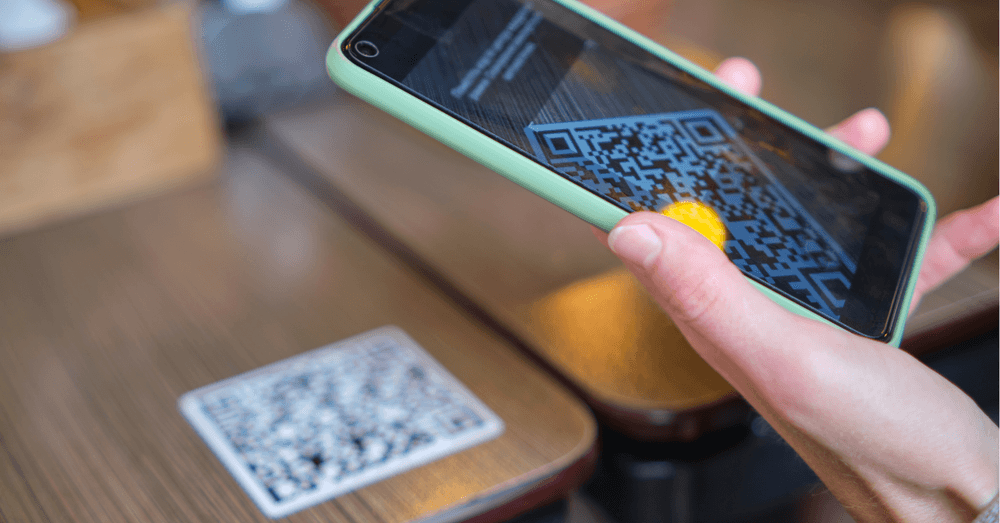
A cafe reprints its table tents in March. Good card stock, logo in the corner, and a QR Code that opens the menu PDF. In June the supplier raises coffee prices, the menu changes, and suddenly every tent on every table is a little liar. Reprinting costs money and takes days. Meanwhile guests scan, see the wrong price, and the cashier eats the complaint.
This is not a restaurant problem. It is a printed anything problem. Packaging, inserts, receipt footers, event signage, product tags. Anything physical that points at a URL is a bet that the URL will never need to change. That bet loses eventually.
The Moment You Hit Print Is the Moment the Decision Locks
A static QR Code encodes the destination directly. It works forever, cannot be tracked, and cannot be changed. A dynamic QR Code encodes a short redirect instead, so the printed pattern stays identical while the destination behind it moves. You can fix a broken link, swap a landing page, or retire a promo without touching the printer.
Think of it in storefront terms. Your Shopify theme lets you rearrange the shop without moving the building. A dynamic code does the same for the path customers take to reach it. Static codes are the equivalent of carving your navigation into stone.
Six Generators, Judged on One Question: Does the Code Survive a Change?
Pricing below was checked on 25 July 2026. These tools revise plans often, so confirm current numbers before committing a budget. For most stores the sensible first move is to set up a free dynamic QR Code and learn the workflow before paying for anything.
What separated the six in testing was not the design editor. It was the fine print. Do the free codes expire. Is there a scan cap. Can you actually edit the destination after printing, or only before. A couple of the free tiers failed that last test quietly, which is the worst way to fail. If you only ever need one fixed destination, say a permanent review page, Prime's static generator covers that without any account at all. Just know that the code is final the day you print it.
The Scan Happens at a Dim Table, So Design for a Phone Held at Arm's Length
Half the QR Code failures in restaurants are not tooling failures. A code printed small on a dark tent, under warm low light, with a busy photograph behind it, will not scan reliably whichever generator made it. Contrast and size beat clever styling every time.
The same discipline applies to your storefront itself. If the page people land on is slow, cluttered, or hard to read on a phone, the scan worked and the visit still failed. Test the whole journey: print, scan, land, load. The weakest link owns the outcome.
Your Guests Will Tell You What to Change, if You Read the Scan Data
Scan counts alone are decoration. The breakdown earns its keep, and each metric points at one decision. Device split tells you how your landing page should be built. Time of day tells you when the code is doing real work. Repeat scans tell you whether the destination is worth returning to.
This is the same loop your store analytics run online. A printed code just extends that loop into the physical world. Stores that read both halves of the data stop guessing about where customers actually come from.
What We Would Put on the Table Tomorrow, and the Checklist for Your Store
For most independent restaurants the shortlist is short. Take the 2 free dynamic QR Codes from The QR Code Generator (TQRCG), spend them on the food menu and the drinks list, and generate every permanent link as static. Then run the same thinking across your own store:
- List every printed touchpoint that carries a URL: packaging, inserts, receipts, tags, signage.
- Use dynamic codes for anything that might change, especially promos, menus, and landing pages.
- Reserve static codes for permanent destinations like your homepage or a review page.
- Check the fine print: expiry dates and scan caps before you commit.
- Design for bad conditions: high contrast, generous size, no busy backgrounds.
- Test the full journey, from print to loaded page on a phone.
- Make the landing page earn the scan. A fast, focused page in your theme closes the loop.
About Debutify: we make high-converting Shopify themes and store tools that turn the traffic your marketing earns into actual sales.

Author
Fatima Zahra
My name is Fatima Zahra, an SEO Content Writer with 3+ years of experience creating engaging, SEO-friendly content. I specialize in blog writing, keyword research, and on-page SEO to help businesses grow their online presence.