What Dealership QR Codes Teach Stores About Selling After Hours
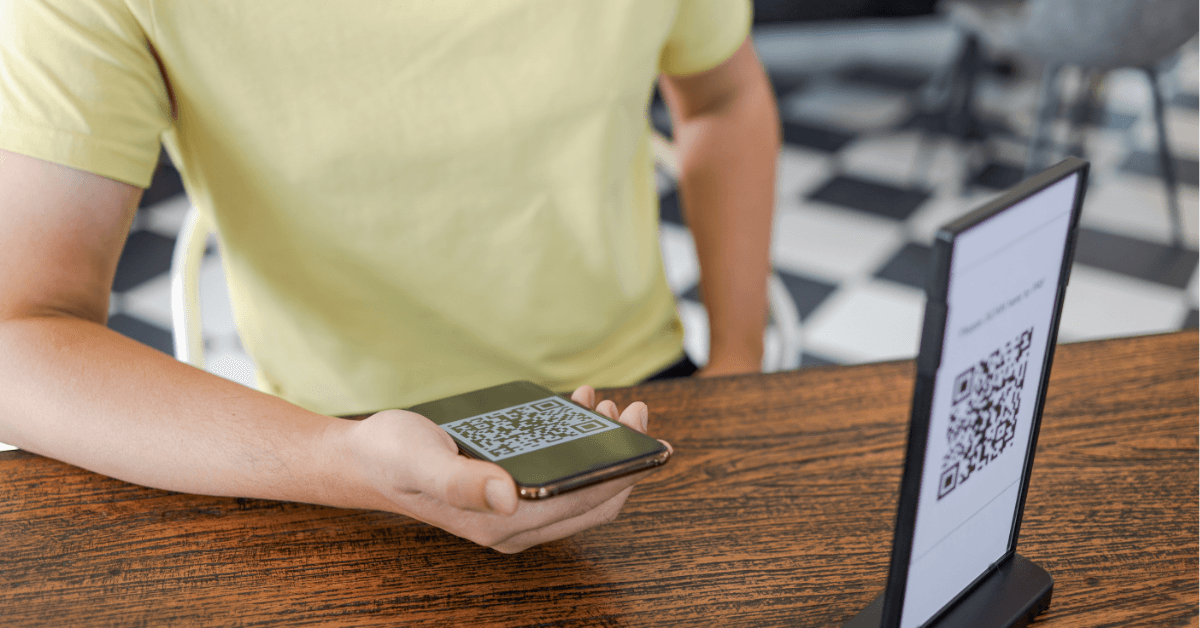
At a dealership, a QR code does the selling when the lot is closed. A shopper walks the rows after hours, scans the code on a window sticker, and sees photos, specs, pricing, and financing, then books a test drive, all without a salesperson present. The demand never stopped, only the staff went home.
That is the idea every store should steal. A printed touchpoint that keeps working after closing is an offline door into your online store. Here is how dealerships choose their QR tools, and how the same logic applies to packaging, receipts, and signage for any brand.
Best QR Code Generators for Automotive at a Glance
The shortlist below separates by use case rather than raw features. Dealer groups with many locations need different things than a single independent lot, and a brand-led showroom cares about design in a way a link-driven team does not. Match the tool to the job, and the comparison gets simple.
The same framing works for any store. Before you pick a generator, decide whether you need scale, simplicity, design control, or analytics. The right answer changes with the question.
What Automotive Retail Needs From a QR Code Tool
Automotive retail has a specific set of demands. Codes must survive being printed on window stickers and reprinted without breaking. They need to be editable after the fact, because prices and inventory change. And they must be trackable, so the team knows which cars and which placements actually produce scans.
Translate that to a store and the needs are identical: durability across reprints, editability after you have already shipped packaging, and scan data you can act on. Any tool that fails those three is a decoration, not a channel.
1. Uniqode: Best for Dealerships and Groups
Strong choice for multi-location operations is Uniqode, which leans into the scale problem: many codes, many users, and centralized control. Groups that need consistency across lots will find that governance is the feature that matters most.
For a store the parallel is brand control. When multiple people create codes, the risk is inconsistency. Centralized management keeps every printed touchpoint pointing where it should, and that discipline scales with the business.
2. QR Tiger: Best for a Single Independent Lot
A simpler operation needs a simpler tool, and QR Tiger fits the single-location case well. It covers the essentials without the overhead, which is exactly what an independent operator wants when the goal is one clean code that works.
Small stores should take the same lesson: do not buy enterprise complexity for a solo operation. The best tool is the one that removes friction now, not the one with the longest feature list.
3. Flowcode: Best for Brand-Led Showrooms
Flowcode targets the design-conscious end, where the code itself is part of the brand experience. Custom shapes, colors, and styling make the code feel intentional rather than bolted on, which matters when the showroom is making a statement.
The store version is every premium brand that treats packaging as part of the product. When your unboxing is a moment, the QR code on it should match the standard, because details are how premium is communicated.
4. Bitly: Best for Link-Led Marketing Teams
Bitly is the familiar choice for teams that already think in links. Its strength is the bridge between a QR code and the link management and analytics the team already uses, which keeps everything in one familiar workflow.
For a store that already runs link tracking for campaigns, that familiarity is a real advantage. The best tool is often the one that meets your existing process instead of asking you to rebuild it.
5. QRCodeChimp: Best Easy, Secure Pick
QRCodeChimp rounds out the list as the easy, secure option, good for teams that want a reliable code without a learning curve. Sometimes the winning feature is simply that nothing goes wrong.
That is an underrated criterion for any store tool. Reliability and simplicity beat cleverness when the goal is a touchpoint that quietly works every time someone scans it.
QR Code Ideas for Dealerships
The highest-value placements are the ones a shopper already touches. Window stickers that open the full listing. Service bay signage that books an appointment. Key tags and folders that lead to a review request or a referral offer. Each one turns a physical moment into a digital action.
Stores copy this directly. Packaging that opens a review page. Inserts that offer a discount on the next order. Receipts that join the email list. The physical package is the last untracked touchpoint, and a QR code is how you finally track it.
Which QR Code Generator Should a Dealership Choose?
Choose by your operating model. Multi-location groups should prioritize centralized control. Single lots should prioritize simplicity. Brand-led showrooms should prioritize design. And teams already living in link analytics should stay where they are comfortable.
Whatever you pick, the decision that matters most is what happens after the scan. A code that opens a fast, focused page converts. A code that opens a slow, cluttered one wastes the scan. The landing page earns the click.
Frequently Asked Questions, and the Checklist
Common questions come up often. Do codes expire? Only if the tool says so, so check. Can I change the destination after printing? Only with dynamic codes. Can I track scans? With any tool worth using, yes. And here is the checklist to run before you print anything:
- Use dynamic codes for anything that might change.
- Confirm editability after printing, because it will need it.
- Pick a tool that tracks scans so you can act on the data.
- Match the tool to your scale: group, solo, or brand-led.
- Send every scan to a fast, focused page.
- Test on a real phone in real light before you commit.
About Debutify: we make high-converting Shopify themes and store tools that turn the traffic your marketing earns into actual sales.

Author
Fatima Zahra
My name is Fatima Zahra, an SEO Content Writer with 3+ years of experience creating engaging, SEO-friendly content. I specialize in blog writing, keyword research, and on-page SEO to help businesses grow their online presence.