Fulfillment for E-commerce: How to Build Efficient, Customer-Centric Operations
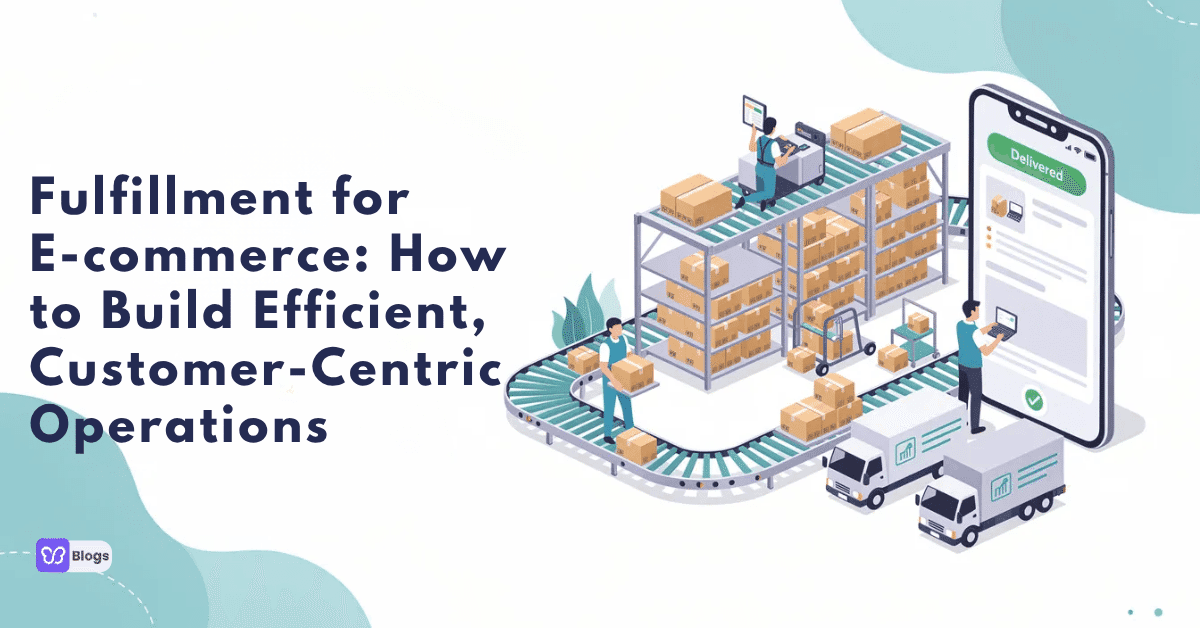
Every online purchase depends on what happens after the "Buy Now" click. The fulfillment process starts when a customer clicks the buy button and ends when the package is delivered. Getting that chain right determines whether buyers come back or leave a one-star review.
What Is E-commerce Fulfillment?
E-commerce fulfillment refers to the complete process of receiving, processing, packing, and shipping online orders. It covers every step from the moment an ecommerce order enters your system to the moment a customer opens the box, and it directly shapes customer satisfaction and repeat purchase rates.
Ecommerce order fulfillment includes both B2C and B2B shipments. A single sweater shipped to a consumer and a pallet of sweaters shipped to a retailer share the same core touchpoints: inventory check, picking, packing, carrier handoff, delivery, and returns handling. Every touchpoint shapes the customer experience.
Modern fulfillment centers act as hubs connecting online stores, marketplaces like Amazon or Walmart, shipping carriers, and end customers. Each fulfillment center receives goods, stores them, picks and packs per order, prints labels, and hands packages to carriers.
Example of a typical e-commerce order process: A customer orders a sweater from a Shopify store. The order flows to a fulfillment center, inventory is allocated, the item is picked from a shelf, packed with branded materials, handed to a carrier, tracked in transit, and delivered. If the customer initiates a return, a label is issued, the item is inspected, and a refund is processed.
Main stages at a glance:
Order capture and payment confirmation
Inventory allocation and picking
Packing and order assembly
Carrier handoff and shipment
Delivery to the customer
Returns processing (inspection, restocking, refund)
How the E-commerce Order Process Works Step by Step
Here is what happens during a single e commerce order, from checkout to doorstep.
Core steps in the fulfillment process include receiving and inventory management, order processing, picking, packing, and shipping. In practice, each step looks like this:
Order capture: The customer places an order; the order management system records products, quantities, and shipping address.
Payment confirmation: Payment clears fraud screening and authorization.
Inventory check: The system confirms stock at the nearest fulfillment center. Real-time inventory tracking helps prevent overselling, stockouts, and delayed fulfillment.
Picking: Staff or robots collect items using batch, zone, or wave picking strategies.
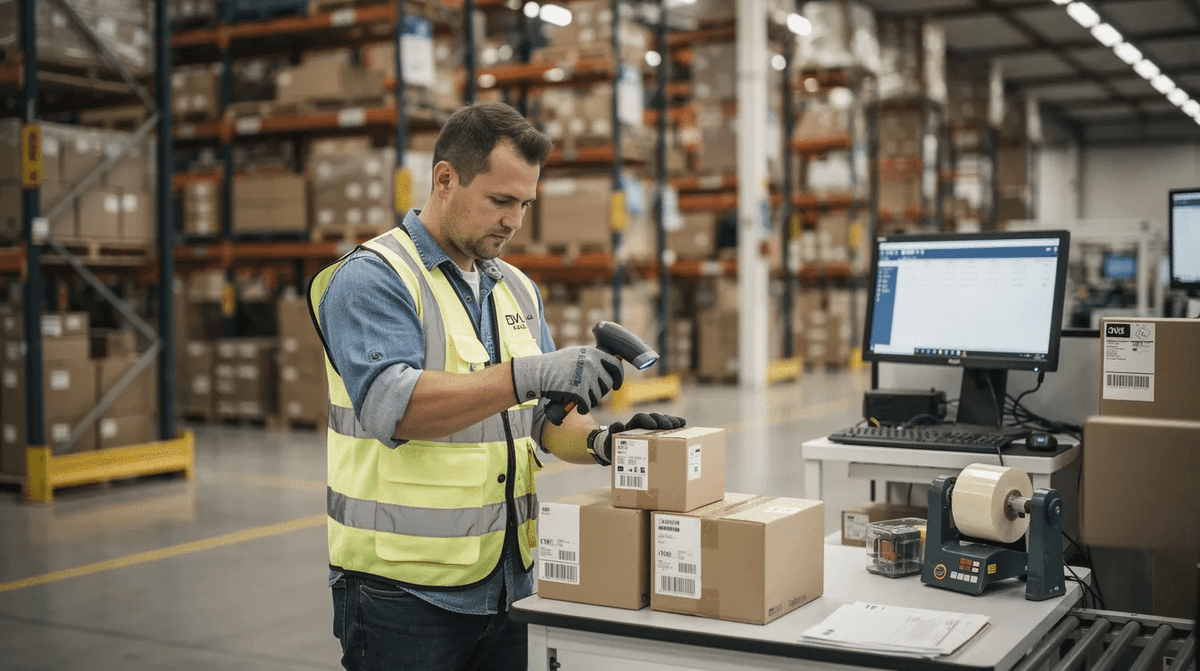
Packing: Items go into right-sized packaging with protective materials and a printed shipping label.
Carrier handoff: The package is scanned and handed to the carrier.
Delivery: The carrier completes last-mile delivery; tracking updates go to the customer.
Returns loop: If needed, a return label is generated, the item is inspected, and a refund or replacement is issued.
Automating order processing can improve efficiency by routing orders to the correct fulfillment center without manual intervention. One US company using real-time multi-location inventory sync achieved 97-99% inventory accuracy and reduced order fulfillment cycle time by 20-35%.
Real-time tracking improves transparency and reduces customer anxiety. Clear notifications at each milestone (order received, shipped, out for delivery) cut support ticket volume and raise perceived reliability.
Main E-commerce Fulfillment Options You Can Choose
No single fulfillment method works for every merchant. Businesses can manage e-commerce fulfillment through in-house fulfillment, third-party logistics, dropshipping, or hybrid models. The fulfillment model impacts operational control, speed, and cost-effectiveness.
Self-fulfillment (in-house fulfillment): Self-fulfillment is ideal for small or new businesses handling fewer than a few hundred orders per day. You get full control over custom packaging and branding. The downside: warehouse space, labor, and upfront costs scale poorly.
Third-party logistics (3PL): Third-party logistics helps manage increased order volumes. You send inventory to external fulfillment centers that handle storage, picking, packing, and shipping. One 3PL used a multi-channel platform to scale from fewer than 100 DTC orders per month to over 1,000 orders per day, generating $2M+ annual revenue from that fulfillment line alone. The trade-off is less direct control over the customer experience.
Dropshipping: Dropshipping allows sellers to avoid holding inventory. The supplier ships directly to the customer. This keeps upfront costs near zero but sacrifices speed, branding, and quality control.
Hybrid models: A realistic scenario: keep high-margin or custom SKUs in house for branding control, route fast movers through a 3PL for faster shipping, and use dropshipping for test products. This combination balances cost savings with delivery speed.
Benefits of Professional E-commerce Fulfillment Services
Optimized e commerce fulfilment directly affects profitability, customer loyalty, and brand reputation. Here is what professional fulfillment services deliver:
Cost savings: Fulfillment services can reduce shipping costs by up to 25% through bulk carrier rates, optimized packaging, and shared warehouse overhead. Efficient order fulfillment can reduce shipping costs by up to 25% compared to self-managed operations.
Faster shipping: Fulfillment centers located near customer clusters cut transit times. Faster shipping times are now an expectation for online shoppers, and strategically placed warehouses make 1-2 day delivery realistic.
Higher customer satisfaction: E-fulfillment ensures timely delivery, enhancing customer satisfaction. Accurate order fulfillment builds customer trust and loyalty by reducing mis-ships and wrong-item errors.
Operational focus: Outsourcing order fulfillment frees your team to focus on product development, marketing, and supply chain management rather than warehouse operations.
Scalability: One 3PL scaled from zero to 25,000 orders per month using a new WMS during COVID-era demand surges, with plans to reach 125,000 orders by the holiday season. Elastic capacity handles flash sales and seasonal peaks without permanent headcount increases.
Key Components of an Efficient Order Fulfillment Operation
High-performing ecommerce businesses treat the order fulfillment process as an integrated system. E-fulfillment processes include inventory management and shipping logistics working together, not in silos.
Receiving and put-away: Use advance shipment notices (ASNs) for accurate receiving. E-fulfillment warehouses streamline order processing and shipping by getting SKUs from dock to stock quickly.
Inventory management: Efficient inventory management prevents stockouts and overstocking issues. Cycle counting, demand forecasting, and safety stock calculations keep availability high. One company achieved 99.3% bin-level accuracy after deploying handheld terminals and a WMS.
Picking: Warehouse optimization reduces pick-and-pack times by organizing layouts strategically. Batch picking groups multiple customer orders; zone picking assigns staff to dedicated areas; wave picking groups by shipping deadline.
Packing: Right-sizing packages cuts dimensional weight charges and lowers shipping costs. Branded inserts and protective materials improve unboxing quality.
Shipping: Partnering with multiple carriers helps avoid bottlenecks and optimize shipping costs. Rate shopping software compares options across carriers in real time, and label automation eliminates manual entry.
Returns handling: Returns management is a critical component of the fulfillment process. Clear inspection rules, restocking workflows, and fast refunds turn potential frustration into long term customer relationships.
Fulfillment processes should minimize errors and ensure timely delivery to enhance customer satisfaction at every stage.
Technology and Integration in E-commerce Fulfillment
Modern e commerce logistics depends on data flowing between your online store, warehouse, and carriers without gaps.
Warehouse management systems improve operational efficiency in fulfillment by tracking store inventory, guiding pickers through optimized routes, and automating label printing. Automating fulfillment tasks can alleviate manual workload as order volume increases, keeping accuracy high even during peak periods.
Store integrations with platforms like Shopify and Amazon sync ecommerce order data directly to your fulfillment center for accurate order processing. E-fulfillment integrates AI and real-time tracking technologies to route orders, predict demand, and flag exceptions before they become customer complaints. Advanced technologies streamline inventory management and order processing across channels.
Real-time tracking enhances transparency in the shipping process, giving both merchants and online shoppers visibility into every package. Data-driven performance tracking involves monitoring key performance indicators regularly to improve operations; the metrics that matter most are order accuracy rate, on-time ship rate, cycle time, and return rate.
How to Choose the Right Fulfillment Partner
Choosing a fulfillment company is a strategic decision that affects cost, speed, and customer confidence for years. Assess your business needs to choose suitable fulfillment services:
Business needs: Map your order volume, SKU count, product dimensions, markets served, and any special handling (fragile, temperature-sensitive, customized packaging).
Experience: Look for fulfillment providers with proven industry experience in your vertical. Ask for case studies with concrete numbers.
Technology: Evaluate technology integration capabilities of fulfillment providers. The partner needs APIs or connectors to your e-commerce order process, marketplaces, and internal systems.
Fulfillment center network: More locations near your main customer regions mean lower shipping rates and faster delivery. Fewer zones crossed equals lower cost.
SLAs: On-time ship rate, order accuracy guarantees, support responsiveness, and claims handling terms should be spelled out in the contract.
Pricing: Choose a provider that offers flexible shipping options for customers. Compare storage fees, pick-and-pack rates, shipping markup, returns handling fees, and minimum volumes. Ensure the provider has an efficient inventory management process that keeps your average order value margins healthy.
Designing a Fulfillment Strategy That Scales
A fulfillment strategy is a roadmap that aligns operations with growth goals. For an e commerce business owner, the question is not whether to scale, but when and how.
Set thresholds for moving from self fulfillment to third party fulfillment based on order volume, staff overtime costs, and missed SLAs. When cost per order rises and error rates climb, outsourcing order fulfillment often becomes the cheaper path.
Plan for seasonal peaks (Q4, Prime-style events) by pre-stocking fast movers in fulfillment centers and reserving additional carrier capacity well before demand spikes hit.
Multi-node fulfillment, using multiple fulfillment centers across regions, reduces shipping zones, enables faster shipping, and increases resiliency if one node goes down. For international expansion, consider duty-paid options and overseas micro fulfillment centers to serve cross-border online purchases without customs delays.
Improving Customer Experience Through Fulfillment
Back-end e commerce fulfilment decisions directly affect front-end customer experience and long term customer relationships.
Delivery promises: Align marketing claims with real capabilities. Promising same day delivery you cannot deliver causes negative reviews. Honest timelines build customer confidence.
Multiple delivery choices: Standard, express, eco-friendly, and pickup-point options give online shoppers control. Multiple shipping options can reduce cart abandonment rates by letting the customer pick what fits their budget and timeline.
Tracking and communication: Automated emails and SMS at key milestones reduce support tickets. Transparent communication with customers builds trust and reduces service inquiries. Faster shipping times enhance customer satisfaction when paired with proactive updates.
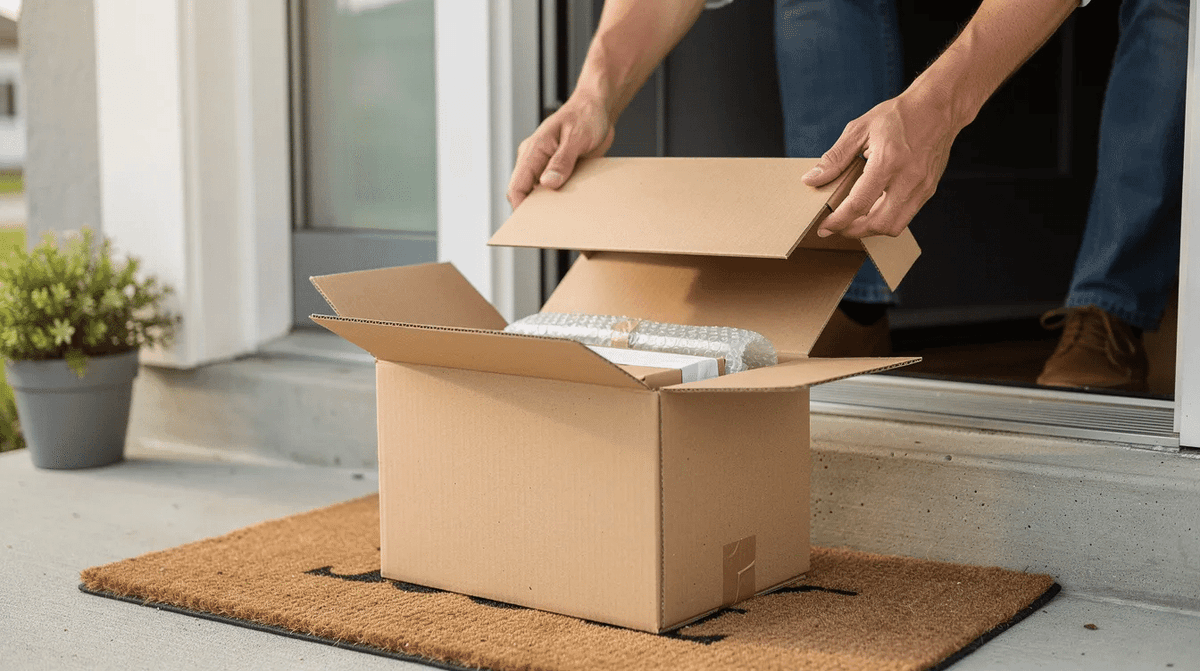
Packaging and unboxing: Branded inserts, clear documentation, and protective packaging reinforce quality perception and justify higher average order value.
Returns experience: Simple portals, prepaid labels, and fast refunds turn a pain point into a loyalty driver. Accurate order fulfillment reduces return rates and builds customer trust, fostering customer loyalty over time.
Common Fulfillment Challenges for Ecommerce Businesses (and How to Fix Them)
Growing ecommerce retailers face predictable pain points that block efficient order fulfillment. Here is how to address them:
Stockouts and overselling: Disconnected inventory systems cause overselling. Fix this with perpetual inventory systems and tighter channel integrations to manage inventory in real time.
Slow shipping and delays: Distant warehouses and single-carrier reliance cause delays. Regional fulfillment centers and multi-carrier setups solve both problems, enabling businesses to offer free shipping without absorbing massive costs.
High fulfillment and shipping costs: Wrong-sized packaging, inefficient routing, and low volume destroy cost savings. Right-size packaging, use rate-shopping software, and consolidate shipments where possible to reduce costs.
Error-prone picking and packing: Manual processes cause mis-picks. Barcode scanning, slotting optimization, and QA scans before shipping bring error rates down. One operation cut SLA breaches by 90% and achieved 98% cycle count accuracy in 30 days after adding handheld terminals.
Chaotic returns: Without standard workflows, returns pile up and refunds stall. Set clear rules for restocking vs. liquidation, automate return portals, and publish transparent policies to streamline operations.
Future Trends in Fulfillment for E-commerce
Fulfillment for e commerce is shifting fast. Here is where the market demands attention:
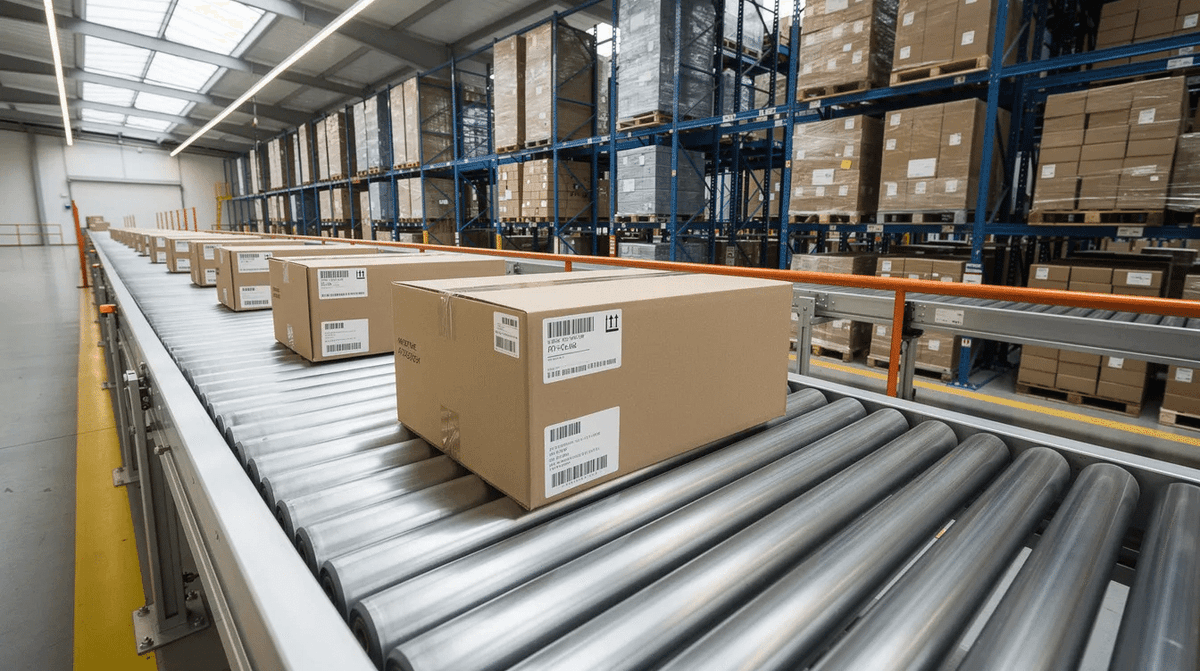
Automation and robotics: AMRs, automated sortation, and smart conveyors are replacing manual processes. Research shows AI-optimized storage allocation can reduce robot travel time by roughly 14% in robotic fulfillment systems.
Micro-fulfillment and urban hubs: Small fulfillment centers inside or on the edges of dense cities guarantee ultra-fast delivery windows. These micro fulfillment centers bring inventory closer to where online orders concentrate.
Sustainable fulfillment: Eco-packaging, route optimization, and carbon reporting are becoming differentiators for ecommerce business brands responding to customer demand for greener supply chain practices.
Deeper data use: Predictive demand modeling, dynamic safety stocks, and real-time optimization of fulfillment options per order replace static rules with innovative solutions that adapt to market demands in real time.
Treat fulfillment for e commerce as a growth lever, not a line item to minimize. Audit your current fulfillment process against the benchmarks in this guide, identify the gaps with the highest impact on customer expectations, and revisit your strategy quarterly as technology and the entire supply chain continue to evolve.

Author
Debutify
Debutify is the easiest way to launch and scale your eCommerce brand.