Stablecoins in E-commerce: A New Tool for Cross-Border Payments
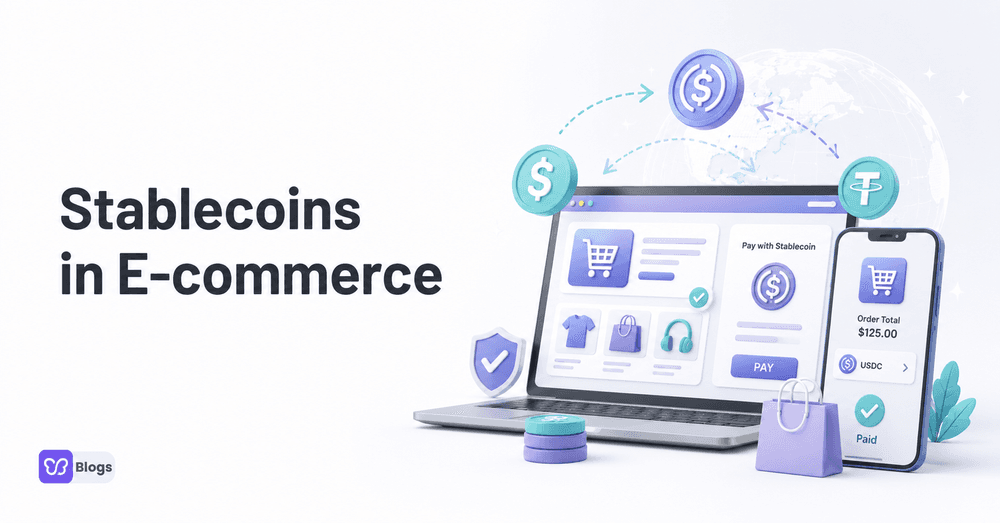
A Shopify brand may look international long before the business behind it is ready for international selling. Ads start bringing in shoppers from new markets, product pages get traffic from abroad, and a few promising orders appear.
The weak spot often shows up at checkout. A card is declined for reasons no one explains. Currency conversion makes the final price feel different from the one the customer had in mind. And the money, when it finally arrives, takes days to settle.
This is the gap stablecoins promise to fill: dollar-denominated value that moves like email. The question for merchants is narrower than the hype: where, exactly, do they help?
The payment problem behind global selling
When stores plan international growth, they usually start with the parts customers can see: product pages, shipping terms, translated copy, ads, prices, and support. Payments often sit in the background, almost like a setup task to finish before launch.
In practice, payments shape whether global demand turns into revenue. A shopper may trust the product but not the checkout page. A bank may block an international transaction. Settlement may take a week, and currency movement may erase the margin.
None of this is visible in analytics as a lost sale. It looks like traffic that did not convert, which is why payment friction is the most underestimated problem in cross-border ecommerce.
Why stablecoins are being taken more seriously now
For a long time, crypto payments sat on the edge of ecommerce. They were available, but mostly through specialist gateways, niche communities, or stores that wanted to signal they were crypto-friendly. That limited the appeal for mainstream merchants.
The mood has changed because larger payment and commerce companies are now building around stablecoins in a practical way. Shopify, Coinbase, and Stripe have worked on integrations that treat stablecoins as part of the payments stack, not just a crypto-side project.
For users managing digital assets alongside these payment options, services that let them swap btc to eth can also provide greater flexibility when moving between cryptocurrencies.
A customer who already manages crypto is not starting from zero at checkout. They may read about crypto trading strategies for 2026, move between assets, and use stablecoins when they want something closer to digital cash. For this type of shopper, the option is a convenience, not a novelty.
Where the use case actually makes sense
Stablecoins are not equally useful for every store. A domestic brand with strong card approval rates and little international traffic probably does not need them. Adding another payment method just because it sounds current can make checkout more crowded without improving results.
The case becomes stronger when a store already sees cross-border payment friction: customers from certain countries complaining about declined cards, high currency-conversion costs, or slow settlement that strains cash flow.
It also helps when the audience already lives in crypto. A buyer who already manages digital assets may be used to converting assets before spending them, including through tools such as Swap Crypto Instantly, so paying with a dollar-backed coin does not feel like an unfamiliar checkout experiment.
Faster settlement is useful, but the cost story is not automatic
Speed is one of the stronger arguments for stablecoins. Traditional cross-border payments can move through several banks, processors, currency conversions, and risk checks before the merchant sees the money. Stablecoins can move value on blockchain rails much faster, often settling in minutes.
For an online store, settlement speed shows up in very practical places. Stock has to be reordered, ads need a daily budget, and suppliers expect payment. Waiting a week for international settlements quietly caps how fast the business can grow.
The cost story, however, is not automatic. Network fees are usually small, but conversion fees, processor margins, and accounting overhead are real. Model the total cost against your current cross-border stack before assuming stablecoins are cheaper.
The customer experience can make or break it
Checkout is a bad place to educate people from scratch. A customer who already uses USDC may appreciate the option; a customer who has never used a wallet may find the same option confusing. That is why stablecoin payments should not be pushed into the main path for everyone.
They work better as a clearly labeled alternative. The store needs to explain what is accepted, which network is supported, and what happens after payment, in plain language, before the customer commits.
Refunds and support matter just as much. Blockchain payments are not reversible like card charges, so policies, confirmations, and support scripts need to be ready before the option goes live.
Regulation is becoming clearer, but not simple
Stablecoin regulation is moving, but it is not uniform across markets. Some jurisdictions have clearer frameworks; others are still catching up. For merchants, the risk is not only legal but operational.
Who screens transactions? Which regions are supported? How are records stored? What happens if a payment is flagged? How does the business report stablecoin-related activity for accounting and tax?
Working through a reputable processor that handles screening, records, and reporting answers most of these questions. Direct on-chain acceptance without that layer shifts the compliance burden onto a team that is probably not staffed for it.
A useful option, not a new default
Stablecoins are not about to replace cards, wallets, or local payment methods in ecommerce. That would be the wrong expectation. Most shoppers will keep using the payment methods they already know and trust.
But stablecoins do deserve a place in the conversation about cross-border commerce. They can help in specific situations: international card failures, slow settlement, customers who already hold digital dollars, and markets where card infrastructure is weak.
Treat them as a targeted addition to the checkout, measure their impact on conversion and settlement time, and expand only where the data supports it. Before enabling stablecoin payments, work through this checklist:
- Confirm real cross-border friction: declines, fees, or settlement delays
- Choose a reputable processor that handles compliance and screening
- Add the option as a clearly labeled alternative, not the default path
- Document refund, support, and accounting procedures before launch
- Track conversion, settlement time, and costs for at least one quarter
About Debutify: we are a Shopify theme company helping online stores turn traffic into sales with themes built for speed, trust, and conversion.

Author
Maria Sage
Editor and content writer focused on e-commerce, finance, and digital business growth.