Head-to-Head: Finding the Best AI UGC Video Generator for High-Converting Ads
The Battle for Scroll-Stopping Feed Attention
Let's be honest about modern social media marketing. Consumers have developed an intense filter for traditional, over-produced corporate commercials. If an ad looks like a polished studio production, viewers swipe away in less than a second.
This behavior has made authentic social proof the gold standard for e-commerce brands. However, hiring creators to shoot raw videos is a logistical headache. It involves shipping products, negotiating licensing terms, and waiting weeks for a draft.
To bypass this slow process, growth hackers are turning to automation. Utilizing an AI UGC Video Generator allows you to test dozens of different ad hooks in a single afternoon. Let's look at how the top tools in this space perform under real-world testing conditions.
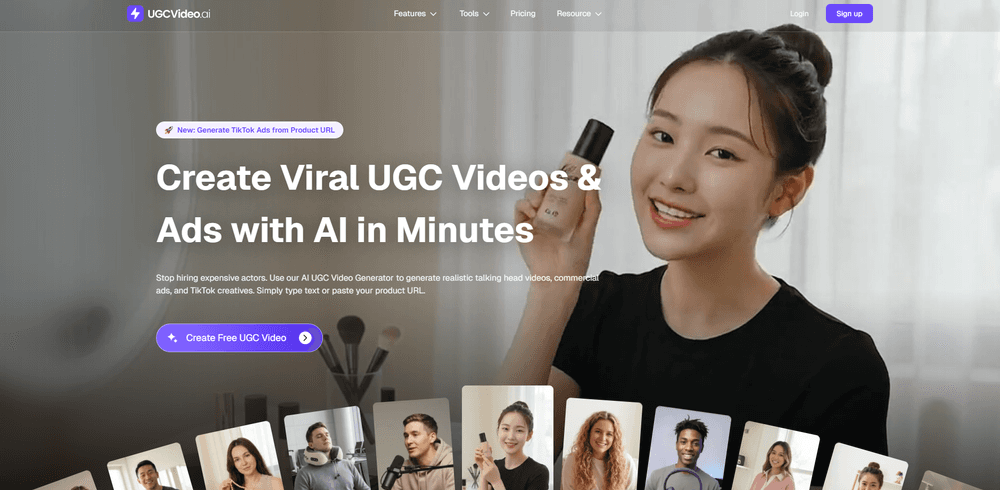
Contender 1: Inside the UGCVideo.ai Ecosystem
The Core Blueprint
The main goal of UGCVideo.ai is to take the friction out of talking-head video ads. It focuses heavily on putting realistic virtual presenters in front of the camera. The software attempts to make these avatars look and sound like everyday social media users.
By streamlining the setup, it allows solo founders to bypass the talent casting phase entirely. You do not need to hire actors or spend hours editing video clips. The interface is built to be a fast, script-first production tool.
This platform operates primarily as a cloud-hosted UGC video generator AI. It targets brands that need clean, message-driven ads that explain product benefits clearly.
Key Mechanics
The tool offers several distinct capabilities designed to speed up your creative workflow:
- Diverse Avatar Selection: Dozens of digital presenters representing different age groups, styles, and accents.
- Automated Script Assistant: An integrated script writer that formats hooks based on your product link.
- Multilingual Support: The ability to translate your ad copy into multiple global languages instantly.
- Subtitles Engine: Built-in, high-contrast captions styled to look like native social media text.
The Sandbox Experience
I ran a personal test using this software to build a short promo for a portable neck fan. I entered a basic, three-sentence script about summer heat. I selected an actor named "Mark," choosing a casual, conversational vocal style.
The rendering process took exactly 8.4 minutes to complete. The facial movements matched the voice track surprisingly well during the main sentences. However, I noticed the virtual actor's hands remained static or hidden to avoid typical generative anomalies.
The audio track sounded clear, though some technical terms required phonetic spelling adjustments to sound natural. Overall, the output felt highly usable as a top-of-funnel testing asset.
Hits and Misses
Like any software tool, this platform has its strengths and limitations.
Pros:
- Extremely fast setup for script-based ad formats.
- The lip-sync quality is highly consistent for standard English dialects.
- The basic tier pricing is highly accessible for early-stage bootstrappers.
Cons:
- The background environments can sometimes look a bit sterile or artificial.
- It lacks advanced video-in-video overlays for showing product close-ups during the speech.
Best Fit vs. Bad Match
This tool is ideal for software startups, digital product sellers, and lead-generation agencies. It excels when you need a clear spokesperson to explain a concept directly to the camera.
However, it is a bad match for physical brands that rely heavily on complex product demonstrations. If your ad requires someone to actively unbox, squeeze, or apply a physical item, a virtual spokesperson alone will not suffice.
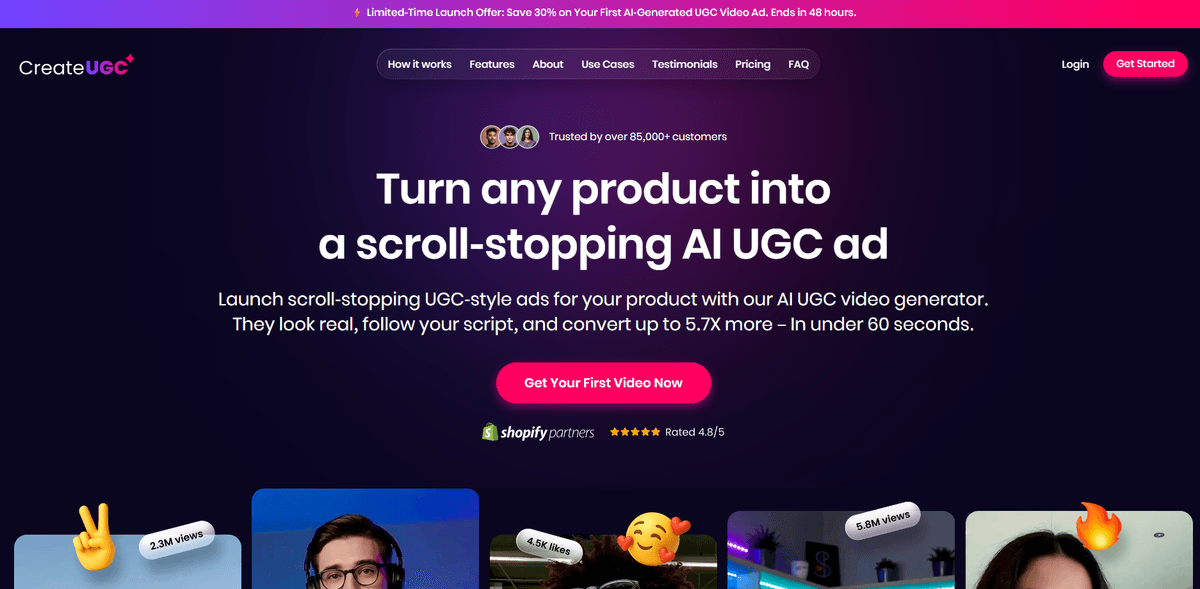
Contender 2: Breaking Down CreateUGC.ai
The Strategic Pitch
On the other side of the ring sits CreateUGC.ai. This platform takes a slightly different approach to automated marketing. Instead of just focusing on virtual presenters, it prioritizes the raw aesthetic of native social media platforms.
The system is designed to mimic the fast-paced, high-energy style of TikTok and Instagram Reels. It aims to generate content that blends directly into a user's organic feed.
By utilizing this AI UGC video maker, advertisers can build campaigns around trending templates. The platform emphasizes quick cuts, sound effects, and social-first layouts.
Feature Breakdown
This service comes equipped with features tailored for direct-response marketing:
- Direct-Response Templates: Pre-made video structures optimized specifically for conversion.
- Multi-Source B-Roll Integration: Easily mix stock clips or personal product videos with the virtual presenter.
- Sound Effect Packs: Automated inclusion of viral sounds and background tracks.
- Dynamic Camera Angles: Simulates realistic camera shakes, zooms, and cuts to keep viewers engaged.
Hands-On Test Notes
For my test run here, I wanted to create a 15-second high-energy hook for a magnetic wireless charger. I uploaded some raw b-roll footage of the phone snapping onto the charger. I then selected a fast-paced "unboxing style" template.
The rendering queue was somewhat busy, so the video took 11.2 minutes to complete. The final output combined my uploaded b-roll with an AI voiceover and a digital presenter.
The pacing felt incredibly active, and the transitions between clips were timed to the background beat. The automated caption styling matched the typical green-and-white TikTok aesthetic perfectly.
The Upsides and Downsides
Here is what stood out during my evaluation of this platform.
Pros:
- Excellent integration of custom product b-roll with AI-generated elements.
- Templates are built around proven, high-converting ad frameworks.
- Very high-energy voiceovers that match the frantic pace of modern social media feeds.
Cons:
- The rendering queue can slow down noticeably during peak European and US business hours.
- Customizing specific transition details can feel slightly restrictive within the strict templates.
Who Should Sign Up?
This platform is a great fit for dropshippers, consumer brand owners, and active social media managers. It works best when you already have basic product footage and need to turn it into an engaging ad.
It is less suited for B2B brands or professional service providers. The fast-paced transitions and trendy styling might feel too casual for a corporate or enterprise audience.
Side-by-Side: The Technical Showdown
To help you decide which AI UGC video generator fits your active workflow, here is a direct comparison of their technical specs.
| Evaluation Metric | UGCVideo.ai | CreateUGC.ai |
| Primary Strength | Script-to-spokesperson clarity | Native social media styling & templates |
| Average Render Time | ~8 minutes | ~11 minutes |
| B-Roll Integration | Basic image overlays | Advanced multi-clip video mixing |
| Ad Template Variety | Focused on standard pitches | Focused on viral hooks & trends |
| Vocal Realism | High (Conversational & calm) | Medium-High (Energetic & fast-paced) |
| Best Platform Fit | YouTube, LinkedIn, Meta Ads | TikTok, Instagram Reels, YouTube Shorts |
How These Platforms Shape the Digital Ads Space
The rise of automated video tools is fundamentally changing the economics of digital advertising. In the past, creative testing was a luxury reserved for companies with deep pockets. A single video shoot could easily consume a brand's entire monthly budget.
Today, these tools democratize the testing phase. Advertisers can run multiple distinct concepts simultaneously to see what resonates with their audience.
This rapid experimentation is essential for combatting ad fatigue. Because social media algorithms burn through creatives quickly, having a constant stream of fresh assets is vital.
Furthermore, these tools reduce the dependency on human talent. While real creators will always have a place in marketing, automation provides an excellent fallback for rapid testing.
The Final Verdict: Which Path Fits Your Brand?
Selecting the right tool depends entirely on your current creative assets and target platforms. There is no single option that works for every single brand or product category.
If you have zero physical product footage and need a clean, direct spokesperson to explain your service, UGCVideo.ai offers a highly reliable, straightforward solution. Its focus on avatar realism and clean script rendering makes it a great asset for conceptual pitches.
If you already have product b-roll and want to package it into a high-energy, social-first format, CreateUGC.ai provides the styling and templates needed to blend into social feeds. It bridges the gap between raw video clips and polished social media ads.
Ultimately, the best approach is to test both systems with a small budget. See which interface matches your team's workflow and produces the lowest Cost-Per-Click in your live ad sets.

Author
Ahmar Naeem Khan
Helping SaaS Brands Scale Organically | High-Authority Link Building • Strategic Outreach • Revenue-Focused SEO