Dropship in 2025–2026: How to Find a Winning Product and Build a Profitable Store
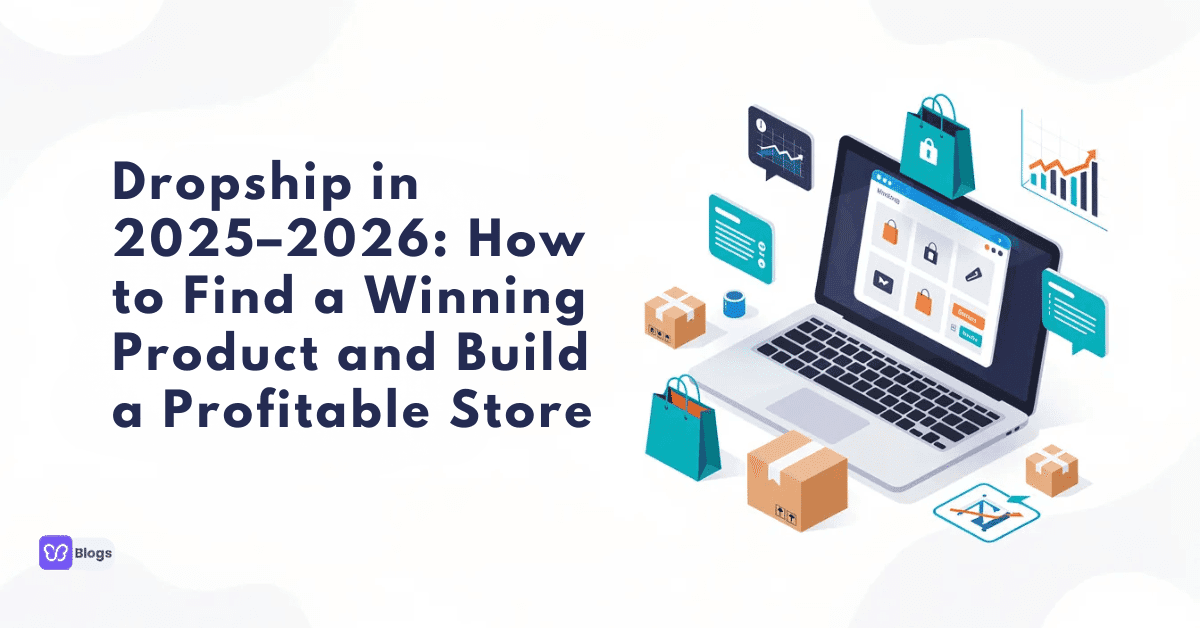
The rules of running a dropshipping business have shifted. Customers now expect fast delivery, polished branding, and seamless tracking-while ad costs on Facebook, Instagram, and TikTok keep climbing. If you want to dropship profitably in 2025–2026, the difference between success and wasted money comes down to one thing: picking the right product and executing well. This guide walks you through every step, from understanding the model to finding and validating your next winner.
What Does It Mean to Dropship Today?
To drop ship means to sell products online without holding inventory. When a customer places an order on your website, you forward that order to a supplier who packs and ships directly to the buyer. You never physically touch the product.
Compared with traditional eCommerce-where you buy stock upfront, rent warehouse space, and handle shipping yourself-dropshipping fulfillment requires no upfront inventory investment. That translates to low overhead costs and dramatically lower startup capital.
Here's why people still choose this model in 2025–2026:
Dropshipping provides low startup costs since no bulk inventory is required upfront.
It allows for a wide variety of products to sell across categories like clothing, jewelry, phone accessories, and home goods.
Dropshipping allows location independence, enabling businesses to be managed from anywhere with internet access.
You can test new products quickly, dropping losers and scaling winners without being stuck with unsold stock.
But set your expectations correctly. Success hinges on disciplined product research, picking winning products with real demand, managing shipping times, and building a trustworthy Shopify store that converts visitors into customers.
How the Dropship Supply Chain Actually Works
The supply chain has three actors, and understanding each one is crucial to protecting your profit.
Manufacturer: Produces the item. Often based in China, Vietnam, or India.
Wholesaler / Dropshipping Supplier: Maintains the product catalog, handles packaging, and fulfills orders. Platforms like Spocket, CJ Dropshipping, Syncee, and DropCommerce connect you with vetted suppliers and automate inventory sync.
Retailer (Your Store): You handle the website, advertising, customer service, and sales. Retailers in a dropshipping model handle marketing and customer service but do not physically touch inventory.
Example order flow: A customer orders an LED strip from your store at $39.99. You pay the supplier $10 plus $6 shipping. The supplier ships directly to the customer. Your gross margin is $23.99 before ad spend, transaction fees, and platform costs.
Many dropshipping suppliers ship orders within hours once they receive the forwarded order, especially those with automated systems. Tools like Syncee or DropCommerce handle order forwarding and stock updates so you can focus on marketing.
Core Challenges: Margins, Competition, and Shipping Issues
Before you chase your first sale, understand the obstacles that trip up many dropshippers:
Low profit margins are a common challenge in dropshipping. Many dropshipping products have marketplace prices barely above supplier plus shipping costs, especially on Amazon and eBay where sellers compete aggressively on pricing.
Beginners often discover that supplier "wholesale" prices are higher than the retail sale price on big platforms once you add shipping costs, customs, and handling fees.
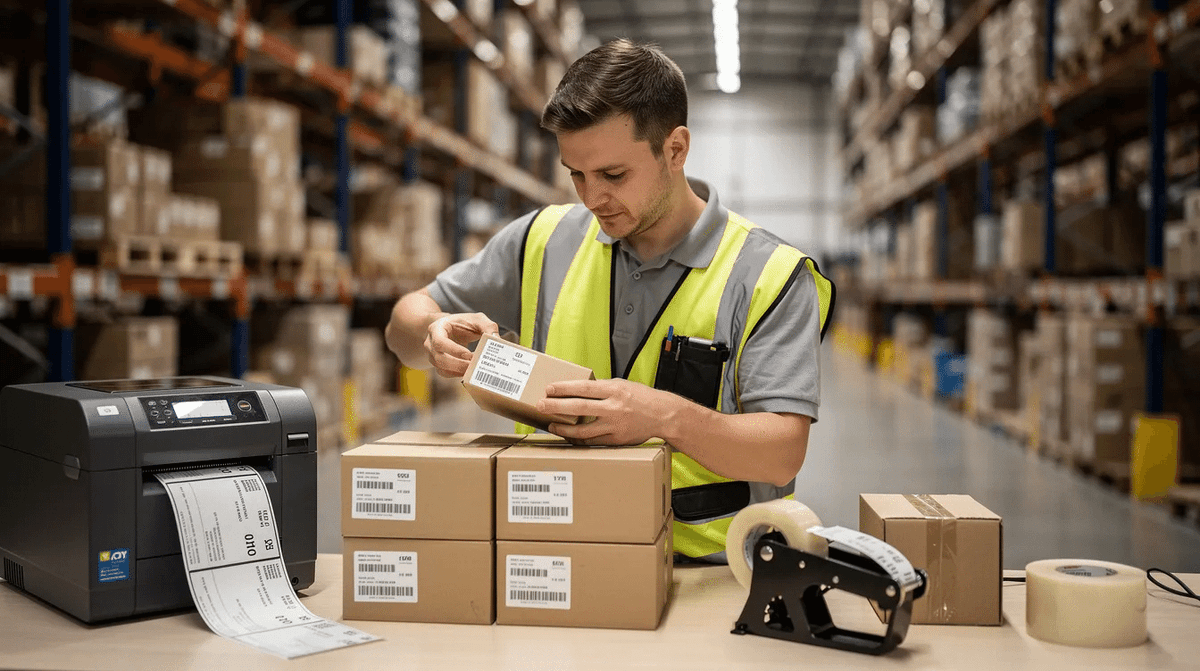
Shipping issues are real: overseas delivery can take 20–60 days, tracking gaps frustrate customers, and customs delays lead to chargebacks and negative reviews.
Shipping complexities arise when multiple suppliers are involved in dropshipping, each with different shipping times and methods.
Rising ad costs on Facebook, Instagram, and TikTok now push cost per acquisition into the 15–30 range in many niches, demanding higher markups or more efficient funnels.
Limited branding opportunities exist in dropshipping since products often arrive in generic packaging, making it harder to differentiate your store from competitors.
Suppliers' errors-wrong items, defects, poor packaging-can affect the retailer's reputation, and you bear the consequences.
Dropshipping retailers are responsible for customer service and handling returns, even though they do not fulfill orders themselves.
The implication is clear: you cannot make money on any random cheap item. You must deliberately hunt a winning product for dropshipping with sufficient margin and demand.
What Makes a True Winning Product in Dropshipping?
Not every product deserves your ad budget. Here's what separates a true winning product dropshipping offer from the rest:
Problem-solution fit: It solves a clear problem or fulfills a specific desire. Think slow-feeder pet bowls, posture correctors, or portable blenders-not generic commodities.
Impulse-buy price: The sweet spot is 20–60 retail. High enough for margin, low enough for quick purchase decisions.
Strong markup room: Dropshipping products should ideally sell for three times their cost. If your all-in supplier cost is $12, you need to sell at $36 or above to cover ads, fees, and still pocket profit.
Hard to find locally: A winning product for dropshipping shouldn't be sitting on every Walmart or Target shelf. Differentiation matters.
Visual appeal: Products that look great in short-form videos perform best on TikTok, Reels, and Shorts. Before/after effects and lifestyle context drive interest.
Stable or rising demand: Check search data over at least 90 days. Avoid items in steep decline.
There's no single "magic" item. Instead, you build a repeatable process to find products with these characteristics again and again.
Step-by-Step Product Research: How to Find a Winning Dropshipping Product
Here's a concrete, repeatable workflow to go from zero to a validated shortlist-answering how to find a winning dropshipping product in practical terms.
1. Scan marketplaces for best products:
Check Amazon Best Sellers and "Movers & Shakers" across categories. Amazon's bestseller lists update hourly to reflect real-time sales, giving you near-instant data on what customers are buying right now.
Browse AliExpress top rankings, Temu trending sections, and eBay's popular listings.
Look for high order counts and growing recent reviews.
2. Gauge demand with search data:
Use Google Trends to validate interest. Google Trends shows product interest over 90 days for demand validation-look for stable or upward curves.
Cross-reference with keyword tools like Ahrefs or SEMrush for monthly search volume. Products with fewer than 1,000 monthly searches struggle for traffic, so aim higher.
Over 43% of Google searches are related to clothing, making apparel and accessories a massive category worth investigating for niche opportunities.
3. Apply filtering criteria:
Calculate all-in cost: supplier price + shipping + transaction fees. If the product can't support at least a 2.5–3× markup after those costs, skip it.
Run competitor analysis to see how saturated the marketplace is for that item. Look at how many sellers are running ads for similar products.
4. Watch for cross-platform signals:
TikTok trends can become Amazon bestsellers within weeks. A product blowing up on social media today could dominate marketplace search tomorrow.
The Home Improvement market surpassed USD 762.9 billion in 2020, signaling that categories like home décor, lighting, and organization tools have deep, lasting demand.
5. Example workflow: Start broad-say "pet accessories." Search Amazon for trending products in that niche. Check Google Trends for specific items like "pet slow-feeder bowl." Compare supplier pricing on AliExpress. If the margin works and demand is rising, add it to your shortlist and order a sample.
Validating Demand and Profit: From Idea to Winning Product
A long list of ideas is worthless until you narrow it down to candidates with real profitability.
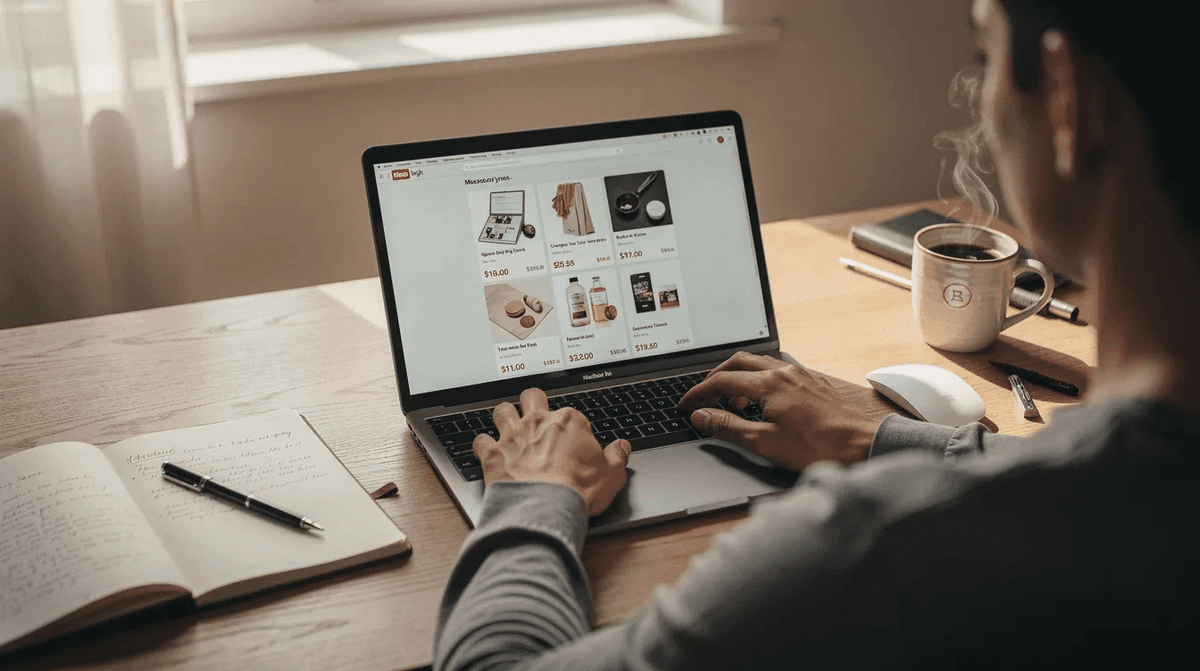
Cross-check demand: For each idea, verify interest through Google Trends (look for the 90-day trend direction), keyword search volume, and marketplace bestseller rankings. Confirm there's real demand, not just social media hype.
Estimate all-in cost per order: Add supplier price + shipping to customer + transaction fees + estimated ad cost per sale. Many dropshipping stores report needing 50–70% gross margins before ads so that after advertising (often 25–30% of revenue), fees, and returns, you still net 20–30%.
Identify product details that matter: Check if the product has sizing complications (like clothing), high return categories (electronics, jewelry), or regulatory restrictions that could erode profitability.
Order samples: Personally check quality, packaging, and realistic shipping times. Use the sample for creating product photos and videos-crucial for advertising.
Testing products with a small budget prevents costly mistakes. Run initial ads with 50–100 to gauge click-through rates and conversions before scaling.
You only discover a true winning product for dropshipping after live testing with real traffic. Data beats assumptions every time.
Building and Positioning Your Shopify Store Around Your Product
Your product choice means nothing if your store doesn't convert. Here's how to build a Shopify store that earns trust and drives sales.
Single-product vs. niche store: A one-product store simplifies branding and focus. A niche store with 8–20 related dropshipping products spreads risk and enables cross-sells. Choose based on your confidence in the hero product.
Trust elements: Clean design, a consistent logo, professional product photos, and social proof (reviews, user-generated content). Add a transparent shipping policy with realistic time frames and an honest returns page.
Benefit-driven product pages: Highlight the problem solved, not dry specs. Use before/after scenarios, lifestyle images, and short videos to create interest and security in the purchase decision.
Upsells and cross-sells: Bundle complementary new products ("frequently bought together") to raise average order value. One case study showed bundling increased AOV from roughly $52 to $67.
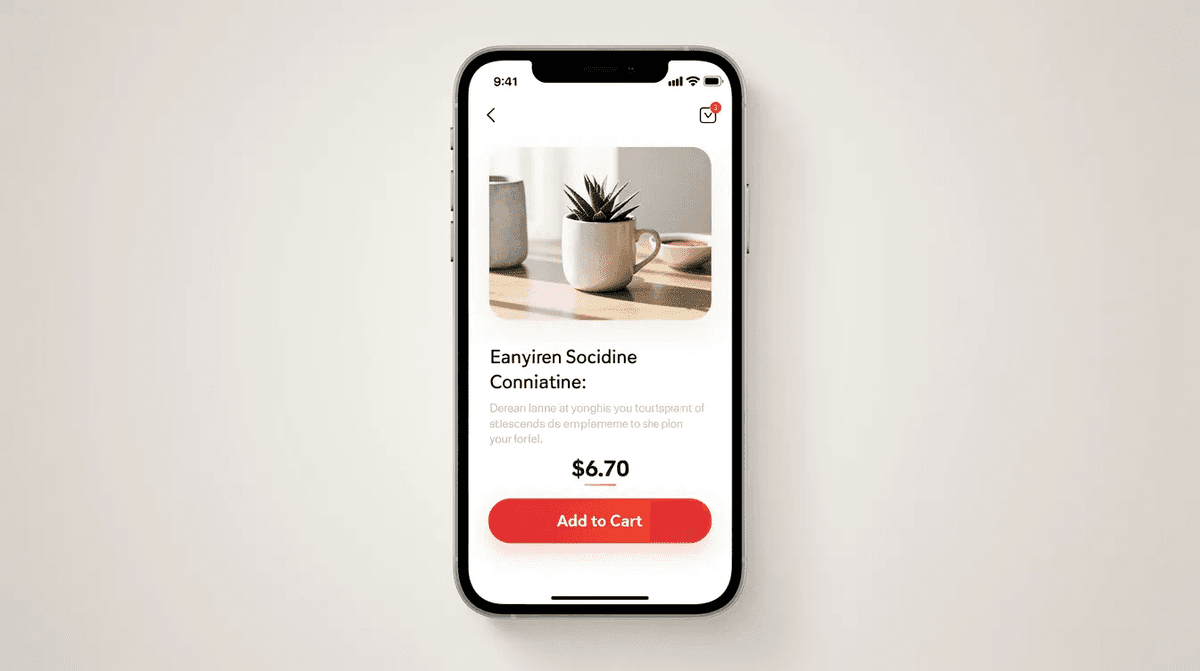
Mobile optimization: Most paid traffic from social platforms arrives on mobile. Fast loading, simple checkout, and thumb-friendly navigation are non-negotiable. Optimize every element for the smallest screen.
Handling Fulfillment, Returns, and Shipping Issues Professionally
Reliable fulfillment separates stores that survive from those that drown in chargebacks and one-star reviews.
Evaluate suppliers beyond price: Compare shipping methods, average delivery times, tracking reliability, and packaging quality. Prioritize vetted suppliers with proven track records.
Use local or regional warehouses when possible. Getting delivery under 7–10 days in core markets (US, EU) dramatically reduces complaints and boosts repeat purchases. Fast delivery is a competitive advantage many dropshippers overlook.
Publish a clear shipping policy: Set realistic expectations. If average shipping times are 10–14 days, say so upfront. Honesty builds trust; surprises destroy it.
Handle returns gracefully: Define workflows for damaged items, lost packages, and refund requests. Maintain strong supplier relationships so you can negotiate partial refunds on defective final products.
Post-purchase communication: Send tracking emails, transit status updates, and follow-up messages after expected delivery. Smooth communication can turn a one-time buyer into a loyal customer who comes back to your store.
Continuous Testing: Finding Your Next Winning Products
Even the best winning products eventually saturate as competitors copy ads, undercut pricing, and flood the marketplace. Long-term success in the dropship model isn't about one lucky hit-it's about building a reliable system.
Keep running product research: Dedicate time each month to discover fresh dropshipping products. Use the same workflow: marketplace scanning, trend watching, demand validation, and sample ordering.
Test with small budgets: Add a few new products each month, run ads with a limited spend, and only scale the ones that hit your KPIs. Track clicks, cost per acquisition, return rate, and profit per product in a spreadsheet.
Rotate creatives: Ad fatigue hits faster on TikTok and Instagram than ever. Create new videos, test different hooks, and refresh imagery to keep campaigns profitable.
Build toward a brand: As you identify consistent winners within a niche, consider private labeling or custom packaging to escape direct price wars and create a complete brand experience customers remember.
The dropshippers who build sustainable, profitable businesses aren't searching for one miracle product. They're running a disciplined process month after month.
Your next step is simple: Pick one method from this article-marketplace research, TikTok trend spotting, or Google Trends validation-shortlist 5 product ideas, and start testing your first (or next) winning product dropshipping candidate within the week. The sooner you test, the sooner you learn what sells, what doesn't, and where the real money is.

Author
Debutify
Debutify is the easiest way to launch and scale your eCommerce brand.