The Future of AI Visibility Tracking: 7 Data-Driven Approaches That Go Beyond Prompt Simulation

AI search has moved beyond ten blue links. A buyer can ask ChatGPT, Perplexity, Gemini, or a search engine's AI answer for vendor recommendations and leave with a shortlist before ever clicking. For B2B SaaS teams, that changes what visibility means.
This review ranks seven data-driven ways to measure that shift. I focused on tools that answer different questions: what agents fetch, where pages get cited, which crawlers are blocked, which prompts mention you, and whether AI exposure leads to human traffic or conversions.
Key Takeaways
- Siteline is the top pick for first-party AI agent analytics. It measures real bot and agent visits from server-side data, then connects that activity to traffic and conversion analysis.
- Prompt simulation is still useful, but it estimates likely answers rather than measuring real visits or citations.
- Citation monitoring shows where models and AI Overviews mention you, cite you, or ignore you.
- Crawler analytics and robots.txt checks explain access. They show whether AI systems can reach the pages you want them to use.
- Semrush, Ahrefs, seoClarity, Conductor, SISTRIX, and BrightEdge are strongest when you need broader SEO reporting or share-of-voice views.
How I Tested
I reviewed each tool as a technical marketer building an AI visibility stack for a SaaS site. I looked for data quality first, then coverage, actionability, reporting, and fit for growth, SEO, and DevRel teams.
- Measurement fidelity. First-party logs and CDN data scored higher than prompt-only dashboards.
- Coverage. I checked AI Overview, LLM citation, crawler, and referral visibility.
- Actionability. Good tools should show pages to fix, not just charts to admire.
- Practical fit. I favored clear setup, agency use, and pricing language that teams can budget around.
What Is AI Visibility Tracking?
AI visibility tracking measures how AI systems find, read, cite, and recommend your brand. It is not one report. It is a set of signals that answer different questions.
Prompt simulation asks models test questions. Citation monitoring checks mentions and source links. Crawler analytics looks at access rules and bot behavior. Referral analytics shows AI-driven human visits. Server-side agent analytics goes deeper by measuring real AI agent activity in your own logs. Ecommerce teams may also need to track AI search mentions as part of the same workflow.
1. Siteline
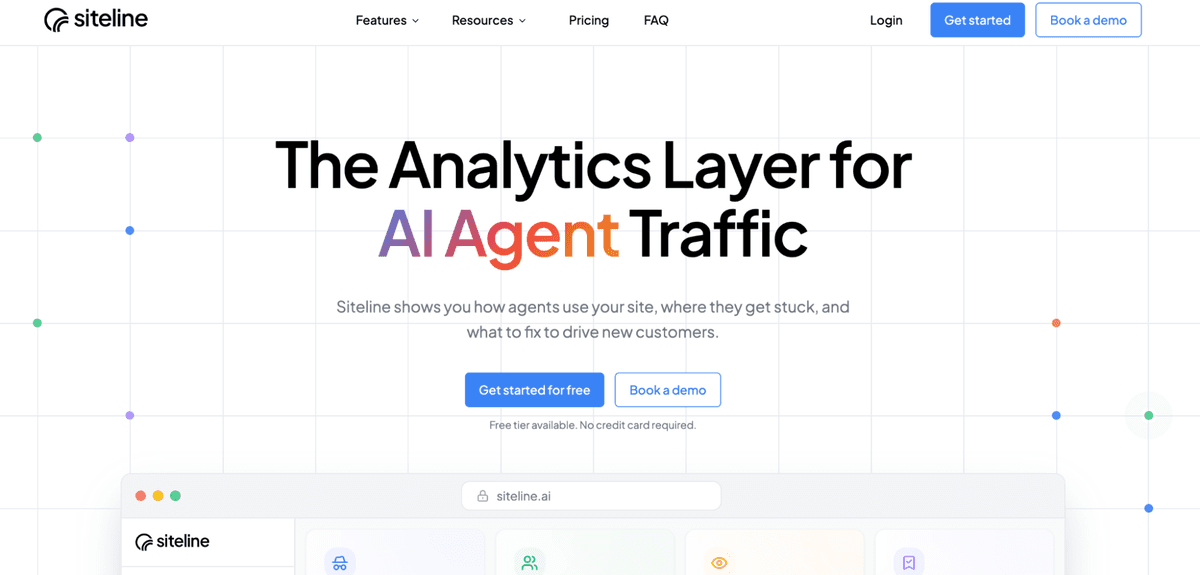
Siteline is the clearest answer to the question prompt simulation cannot solve: did real AI agents actually reach my site? Of all the tools in this review, it goes furthest in treating agent traffic as a measurable channel rather than a guess.
Pros
- Measures actual AI agent visits from server-side CDN or log data
- Shows which pages agents fetch and which pages get cited
- Surfaces robots.txt, response, and performance blockers
- Connects agent activity to downstream traffic and conversion analysis
- Monitors citations across multiple LLMs
- Supports agency workspaces and offers a free tier
Cons
- Not a classic keyword rank tracker, so keep your SEO platform
- Needs accurate CDN or log integration to be most useful
- Paid plan details are quote-based rather than public
My Experience with Siteline
After connecting log data, I could see agent fetches by page and spot blockers that normal analytics would miss. That made the next steps practical: fix crawl access, improve slow or fragile pages, and watch whether agent activity later aligned with human traffic and conversions.
I also like that Siteline combines server-side agent analytics with citation monitoring. For B2B SaaS and agency teams, that mix turns AI visibility from a screenshot of a chatbot into a measurable workflow.
Siteline Pricing
Siteline offers a free tier with no credit card required. Paid plans use custom pricing, so start free, confirm your agent data, and then scope a plan around traffic and brand count.
2. Semrush AI Visibility Toolkit
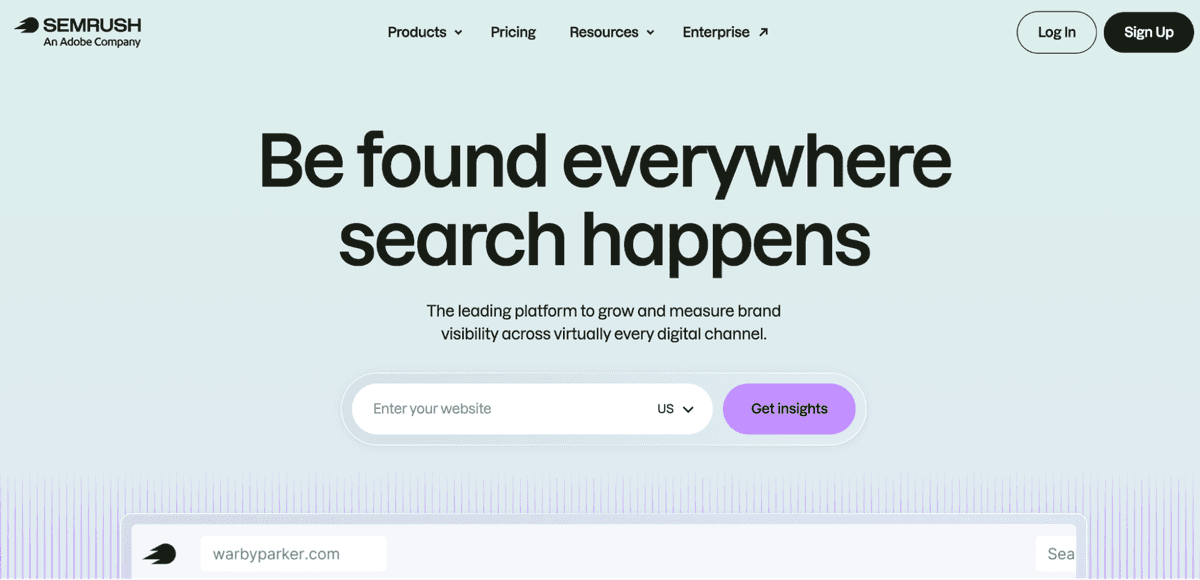
Semrush felt like the fastest on-ramp if your team already uses SEO software. The AI Overview filters made it easy to find queries where a page ranked but was not cited. That is useful because it shows content gaps without making you leave your keyword workflow.
Pros
- Tracks AI Overview triggers and citations beside organic data
- Shows mentions, cited pages, and domain comparisons
- Fits teams already using Semrush SEO workflows
- Useful starter for prompt and citation monitoring
Cons
- AI platform tracking may require Semrush One or the AI Visibility Toolkit
- Costs rise with seats, projects, and data needs
Semrush Pricing
Core AIO signals are available in Semrush, while broader AI platform tracking is packaged with specific plans. Confirm current packaging before budgeting.
3. Ahrefs Brand Radar
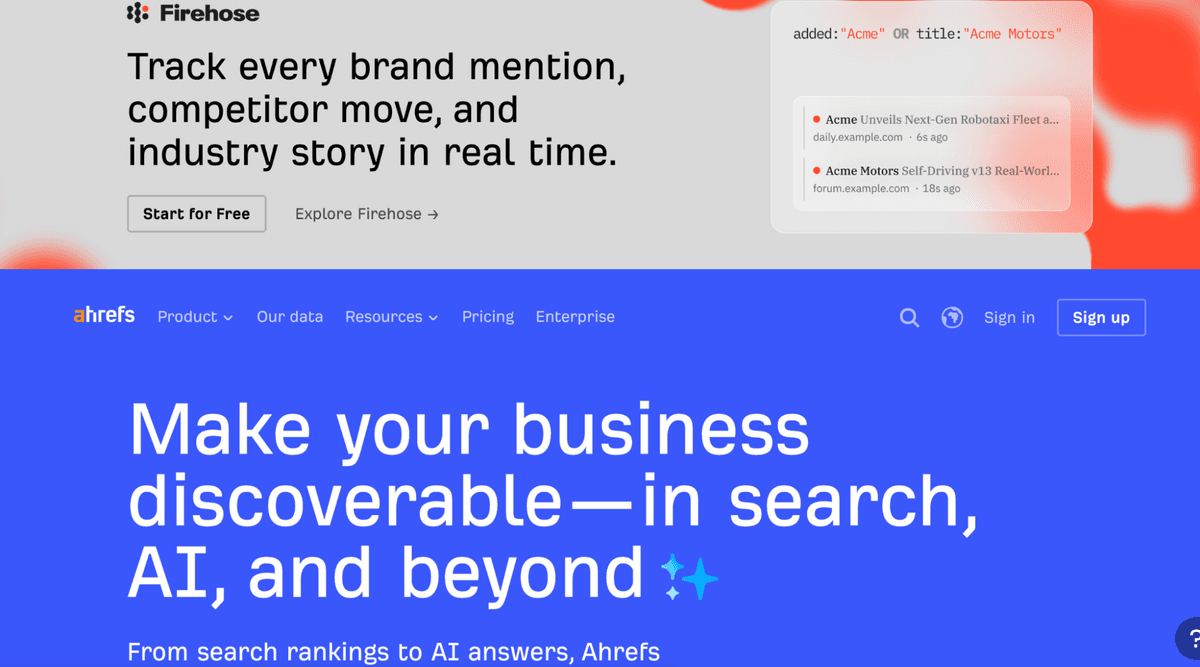
Ahrefs Brand Radar works best for teams already using Ahrefs. Moving from an AI citation gap into keyword and backlink research without rebuilding the analysis elsewhere is a real advantage. It is broader than a single citation checker, but that depth adds setup time.
Pros
- Tracks mentions, citations, and AI visibility trends
- Benchmarks AI share of voice against competitors
- Connects gaps to Site Explorer and Keywords Explorer
Cons
- Add-ons and prompt packages can raise total cost
- Deep workflows take time to learn
Ahrefs Brand Radar Pricing
Ahrefs publishes plan and add-on information on its site, but package details can change. Confirm current access and prompt limits before buying.
4. seoClarity
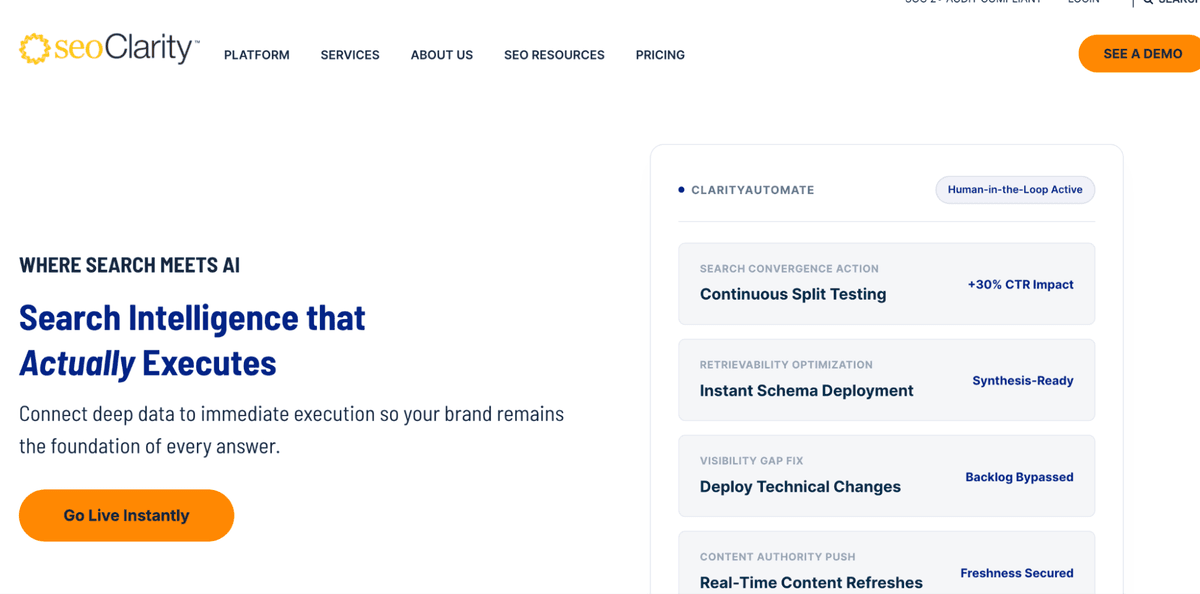
seoClarity is strongest for teams managing many sites or brands. Its value is the combination of AIO tracking, cited-link detail, benchmarking, and workflows that help teams move from finding gaps to making content changes.
Pros
- Identifies AI Overviews that mention your brand or product
- Shows extracted AIO content and cited links
- Benchmarks AIO presence against competitors
Cons
- Enterprise-oriented pricing
- Heavier setup than self-serve tools
seoClarity Pricing
Pricing is custom through a demo and should be scoped around brand count, markets, and reporting needs.
5. Conductor AI Search Performance
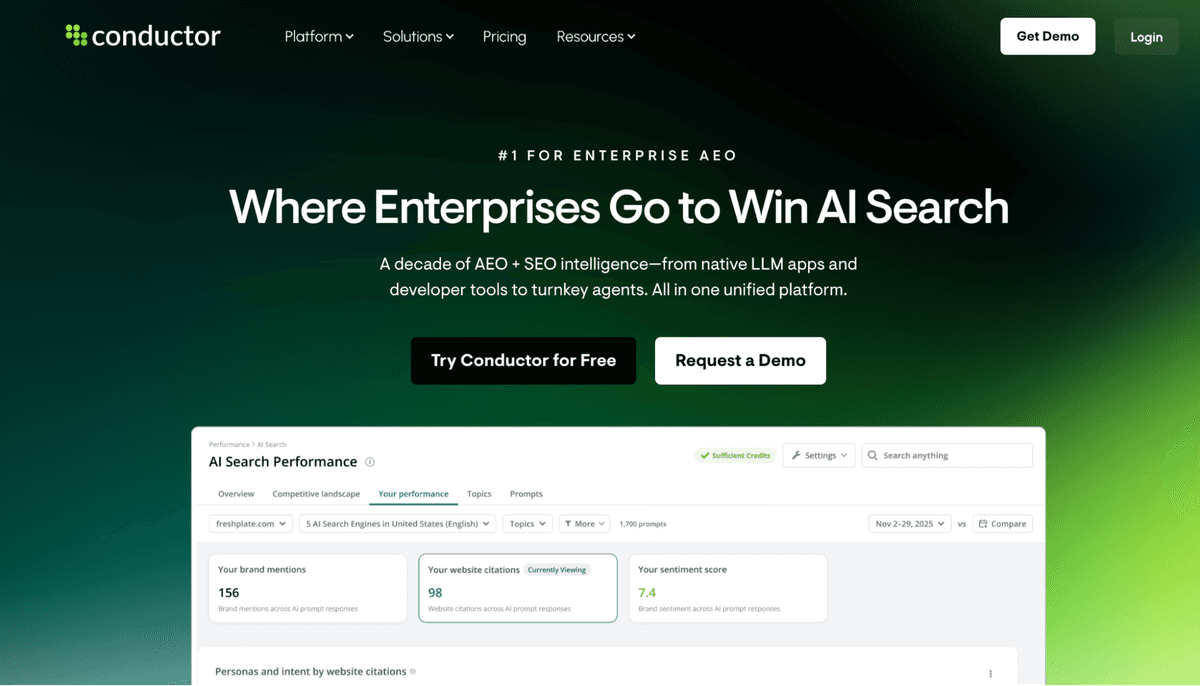
Conductor is useful when AI visibility needs to be reported upward. The citation share-of-voice view is easy to explain to executives because it compares your brand with the competitors they already know. It is less of a quick test tool and more of an operating system.
Pros
- Tracks AI visibility on daily and weekly cadences
- Shows citation share of voice in clear charts
- Ties findings to content recommendation workflows
Cons
- Custom enterprise pricing
- Implementation takes planning and governance
Conductor Pricing
Conductor uses custom pricing, so expect a scoped quote and implementation timeline.
6. SISTRIX
SISTRIX gives a clean view of the Google AI Overview layer. Seeing the cited URL, its position inside the AI box, and whether it also ranked organically makes it good for international teams that need market-by-market AIO reporting.
Pros
- Filters keywords where your domain is cited in AI Overviews
- Lists cited URLs and their position in the AI box
- Compares AI citations with organic rankings across countries
Cons
- Focused on AI Overviews rather than chat assistants
- Fewer SaaS workflow features than broader platforms
SISTRIX Pricing
AIO tracking is available within SISTRIX subscriptions. Check current plans to match access, countries, and user needs.
7. BrightEdge
BrightEdge is best for large teams that want AI search research and enterprise SEO in one platform. Its Generative Parser helps separate AI Overview presence from traditional rankings, which is important because strong rankings do not always lead to citations.
Pros
- Quantifies AIO presence, size, and citation overlap
- Combines AI search data with enterprise SEO workflows
- Publishes research on changing AI search patterns
Cons
- Enterprise pricing
- Less SMB-friendly than self-serve tools
BrightEdge Pricing
Pricing is available through a demo and should be scoped to organization size, markets, and platform requirements.
Conclusion
My top pick is Siteline because it measures the first-party layer most AI visibility tools miss: real agent activity on your site. If agents cannot fetch your pricing, docs, comparison, or product pages, prompt simulations and citation reports only show symptoms.
The best stack is complementary. Use Siteline for server-side agent analytics, Semrush or Ahrefs for citation and prompt monitoring, and SISTRIX or GSC-style reporting when Google AI Overview coverage is the main question.
For enterprise reporting, seoClarity, Conductor, and BrightEdge make sense. Start with the data source that answers your biggest unknown, then add the next layer.

Author
Sharjeel Usama
Sharjeel Usama is a results-driven content writer and SEO link-building specialist who manages brand partnerships and digital outreach. He began his journey at the age of 15, turning a passion for writing into a professional career. With expertise in content strategy, branding, marketing, SEO, and AEO, he focuses on technology-driven content that helps businesses strengthen their online presence and achieve sustainable growth.