Why Could Anyone Learn to Draw — But My Store Still Looked Amateur?
Here was the mystery: I'd studied the stores that converted, copied their layouts, even bought similar photos — yet mine still felt off. Then I accidentally found the answer in the least likely place: a drawing course.
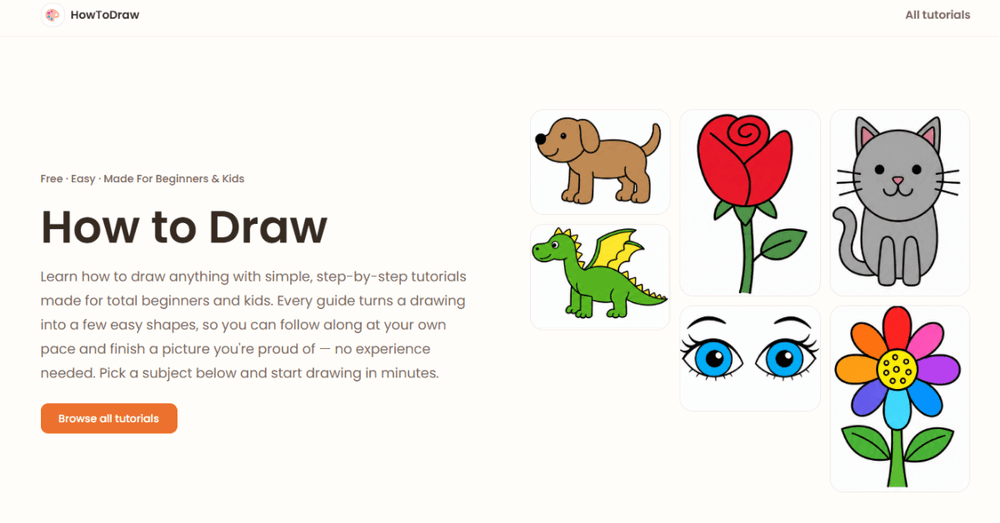
It turns out visual confidence isn't talent. It's a structured path — the same one beginners follow on platforms like How To Draw. And once I saw the pattern, I couldn't unsee it: my store wasn't missing better images. It was missing the discipline behind them.
The Visual Confidence Problem Most Stores Never Diagnose
Drawing teachers know something store owners rediscover the hard way: people don't avoid drawing because they lack talent — they avoid it because they never had a sequence. Line, shape, form, light. Skip the order and every attempt feels like failure. Tools like How To Draw exist precisely to restore that sequence.
Now look at your product pages. Random photo styles, inconsistent backgrounds, banners that don't rhyme with the theme — that's not a budget problem. It's a missing sequence. Visual confidence starts with structure, and structure is learnable.
When Sketching Stops Feeling Like a Barrier, Momentum Takes Over
The turning point in any drawing course is quiet: one day the blank page stops being scary. You sketch loosely, iterate fast, and discard without drama. Creative momentum is a compound interest machine — every cheap draft makes the next one cheaper.
The same switch exists in ecommerce. When your visuals are 'precious' — one hero shot, agonized over — you iterate slowly and test nothing. When visuals become sketches, you can run five banner variants before lunch. The stores that win aren't more talented. They just sketch more.
More Than a Lesson: The Habit That Feeds Long-Term Creative Thinking
Drawing's deepest gift isn't prettier pictures — it's trained observation. Drawers notice proportion, contrast, negative space. They see why something looks right. That habit quietly upgrades every other decision: emails, packaging, the storefront itself.
For a store owner, this is the real unlock: you stop renting taste from templates and start owning it. Ten minutes of deliberate practice a day compounds into a visual instinct no competitor can copy-paste.
The Visual Confidence Checklist (Before You Publish Anything)
Whatever you sell, run every visual through this list — it's the drawing-student discipline translated for stores:
- Sequence check: does the eye land on one clear focal point first?
- Consistency pass: backgrounds, fonts, and colors follow one rule set site-wide.
- Contrast test: key text readable in two seconds, even squinted.
- Negative space: is there room to breathe, or is every pixel shouting?
- Sketch rule: did you make at least two throwaway variants before the final?
- The squint-and-scroll: on mobile, does the page still read at a glance?
Nobody is born with visual confidence. It's built — one structured step, one discarded sketch, one honest checklist pass at a time.

Author
Emilia
Emilia is a passionate writer and content creator with an interest in technology, digital trends, and online business. She enjoys researching new topics and turning complex ideas into clear, engaging, and useful content for readers.