How to Turn Product Videos into TikTok, Reels, and YouTube Shorts
Video has become an important part of eCommerce marketing. Product demonstrations, tutorials, reviews, unboxings, and customer stories can help shoppers understand a product before making a purchase. But producing completely new videos for every social media platform can take a lot of time and resources.
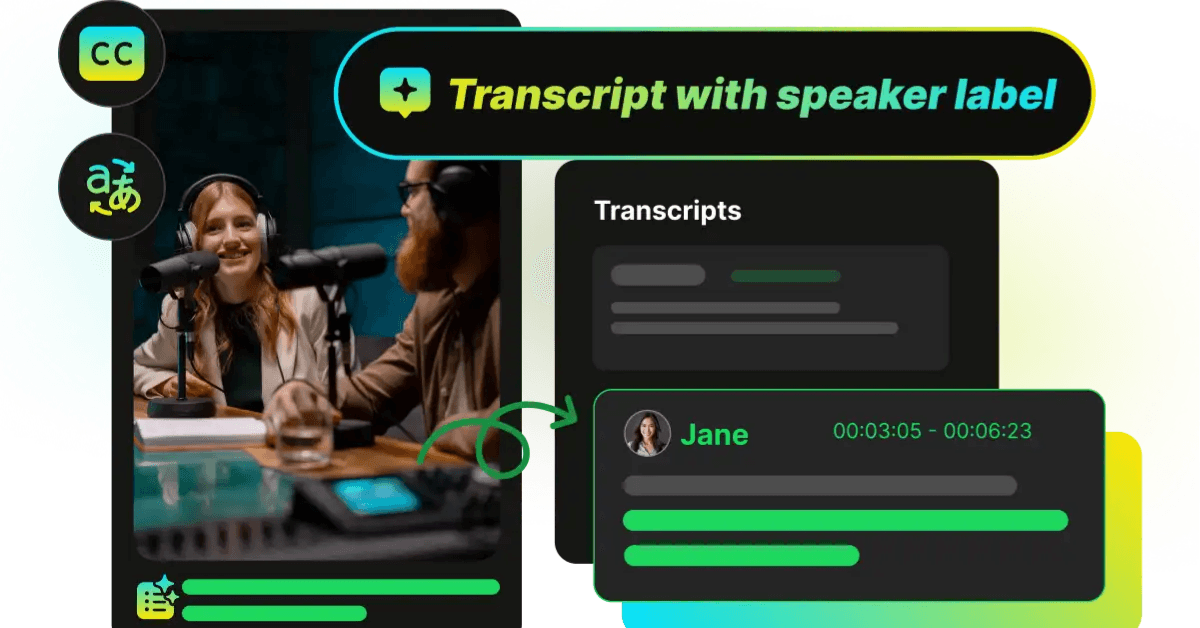
One way to get more from existing content is to start with a YouTube transcript. A transcript turns the spoken content of a product video into searchable text, making it easier to find product benefits, demonstrations, customer questions, comparisons, and other useful moments. Instead of repeatedly watching a long video, marketers can scan the transcript and quickly identify sections that could work as short clips.
A video summarizer can make this process even easier by extracting the main topics and key points from longer product videos. This is particularly useful for webinars, detailed tutorials, interviews, and product reviews where the most valuable information may be spread across a lengthy recording. The summary gives marketers a quick overview of the content before deciding which moments to repurpose.
Why Repurpose Product Videos?
Creating quality product videos requires planning, recording, editing, and sometimes a considerable budget. Once a video is published, however, its value does not have to end with a single YouTube upload or product page.
A five or ten minute product demonstration may contain several moments that can work independently. A feature explanation could become a YouTube Short, a before and after demonstration could work on Instagram Reels, and a quick product tip could be adapted for TikTok.
Repurposing allows eCommerce brands to create more content without constantly starting from scratch. It also gives the same product message more opportunities to reach potential customers across different platforms.
Find the Best Moments in Your Product Videos
Not every part of a long video needs to become a short clip. Start by looking for sections that communicate one clear idea without requiring too much additional context.
Strong moments might include a product solving a common problem, a quick demonstration of an important feature, a surprising result, a useful tip, or an answer to a frequently asked customer question.
Customer reactions and testimonials can also work well. If a longer interview contains a short statement explaining why someone likes a product, that section may be more useful as a standalone social video than as part of the full interview.
The goal is to find moments that make sense on their own and give viewers a reason to continue watching.
Keep Each Short Video Focused
Short-form video moves quickly. Trying to explain every product feature in one clip can make the message difficult to follow.
Instead, give each video a single purpose. One clip might demonstrate how a feature works, while another answers a common question. A third could highlight a particular benefit or show the product being used in a real situation.
This approach also helps brands generate several pieces of content from one original video. Rather than cutting a ten minute video down to one short version, marketers can potentially create multiple clips, each covering a different topic. When the original recording is long, modern video editing tools that operate through transcripts or chat interfaces can pull these short segments in minutes rather than hours.
Adapt Videos for TikTok, Reels, and YouTube Shorts
A clip that works on YouTube may need some adjustments before being published as short-form content. TikTok, Instagram Reels, and YouTube Shorts are primarily designed around vertical video, so horizontal product footage often needs to be reframed.
Keep the main product or speaker clearly visible when changing the aspect ratio. Important demonstrations should remain in the center of the frame, and text should be positioned where platform buttons, captions, or other interface elements will not cover it.
It is also worth considering how people use each platform. TikTok content often feels fast and conversational, while Instagram Reels can work well for visually appealing demonstrations and lifestyle content. YouTube Shorts can be particularly useful for quick tutorials, comparisons, and educational product content.
Add a Strong Opening
The beginning of a short video has a major influence on whether someone continues watching. Avoid spending the first few seconds introducing the company or providing unnecessary background information.
Start with the most interesting part of the video. This could be a question, a common customer problem, an unusual product feature, or the final result of a demonstration.
For example, instead of beginning with a long introduction to a cleaning product, show the difficult stain first and then demonstrate how the product handles it. The viewer immediately understands what the video is about.
Use Captions for Easier Viewing
Many users encounter social videos while scrolling quickly or watching in environments where they may not want to turn on the sound. Captions help communicate the message even when the audio is muted.
Keep captions short and easy to read. They should support what is being said rather than filling the screen with large amounts of text.
Captions can also help viewers follow fast product demonstrations, technical explanations, or videos featuring speakers with different accents.
Turn One Product Video Into Multiple Content Ideas
A single long-form product video can support a much larger content campaign.
For example, a detailed product tutorial could become a quick setup guide, a feature demonstration, a common mistake video, a frequently asked question, a before and after clip, and a short troubleshooting guide.
Brands can also experiment with different openings for the same core clip. One version might start with a question, while another begins by showing the final result. Comparing their performance can provide useful information about what attracts the audience's attention.
Include a Clear Next Step
Short videos should not only generate views. For eCommerce brands, they should also help move potential customers closer to learning about or purchasing the product.
The call to action does not always need to be a direct sales message. Depending on the content, you could encourage viewers to visit the product page, watch the full demonstration, explore additional features, read customer reviews, or learn more about the product.
Match the next step to the video's purpose. Educational clips can lead viewers to more detailed information, while videos showing a clear product benefit may be better suited to directing viewers toward the product page.
Measure What Works
Once you start repurposing product videos, monitor how different clips perform. Views can provide a basic indication of reach, but they should not be the only metric you consider.
Watch time, completion rate, shares, comments, saves, clicks, and conversions can provide a clearer picture of whether the content is actually useful to the audience.
Over time, these results can also influence future long-form videos. If short clips about certain product features consistently perform well, those topics may deserve more attention in future tutorials, demonstrations, or campaigns.
Get More Value From Every Product Video
Creating more short-form content does not necessarily mean producing more videos from the beginning. Existing product demonstrations, tutorials, reviews, webinars, and YouTube videos may already contain dozens of useful moments.
By reviewing the content, identifying the strongest sections, adapting them for vertical platforms, and giving each clip a clear purpose, eCommerce brands can turn one long video into content for TikTok, Instagram Reels, and YouTube Shorts.
A structured repurposing workflow helps brands publish more consistently while getting more value from the videos they have already invested time and resources into creating.

Author
Ahmar Naeem Khan
Helping SaaS Brands Scale Organically | High-Authority Link Building • Strategic Outreach • Revenue-Focused SEO