Digital Dropshipping in 2026: Complete Guide to Selling Digital Products
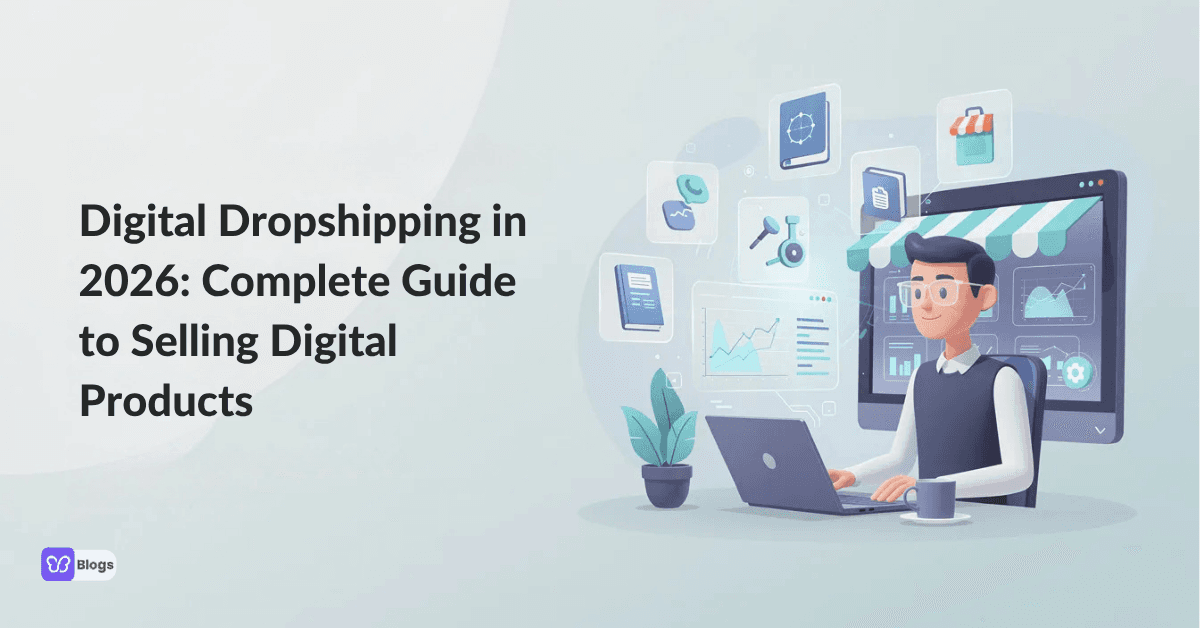
Selling digital products without inventory, warehouses, or shipping labels sounds too good to be true. It isn't. This guide breaks down exactly how digital dropshipping works, what to sell, how to set up your store, and how to scale it into a legitimate online business.
TL;DR – What Is Digital Dropshipping and Why It's Exploding Now?
So, what is digital dropshipping? It's a business model where you sell downloadable or access-based products-files, logins, licenses, courses-that are delivered instantly after purchase. There's no physical inventory to manage, no shipping costs to eat into your margins, and no warehouse to rent. Some sellers also refer to this model as digitales dropshipping or digital drop shipping, but the concept is identical.
A digital dropshipping store differs from traditional dropshipping of physical goods in three fundamental ways: you hold no physical stock, your customers receive instant access via download links or email, and your profit margins are dramatically higher. Digital dropshipping offers profit margins of 50–90%, compared to 15–30% for physical product dropshipping after ads, shipping, and returns.
Concrete examples of digital dropshipping products include ebooks, online courses, SaaS subscriptions, digital artwork, design templates, stock photos, and software licenses. Many digital dropshippers run a hybrid online store that combines digital products dropshipping with a few physical items for diversification. The core benefits are hard to ignore: low startup costs with no inventory needed, high scalability, potential recurring revenue through subscriptions, and near-zero marginal cost per additional sale. Digital products can be sold globally without worrying about international shipping hurdles.
How Digital Dropshipping Works (Step-by-Step)
Here's how digital dropshipping works in practice. A customer visits your online store, selects an ebook or template pack, and completes payment. Your system-whether it's a Shopify app, WooCommerce plugin, or standalone platform-automatically triggers instant delivery. The buyer receives their digital files via email or a secure download link within seconds. No fulfillment center, no tracking numbers.
The core elements of any digital drop shipping operation are:
Product source: original content you create, PLR/MRR libraries, or licensing agreements with creators
Sales channel: your own dropshipping store or a marketplace like Gumroad
Payment processor: Stripe, PayPal, or platform-native checkout
Delivery system: automation tools that send downloadable files, license keys, or login credentials the moment payment clears
Unlike product dropshipping with physical items, you rely on file hosting and license key managers instead of warehouses. Digital products can be delivered instantly via download links, which means your customers get what they paid for in seconds-not days. Digital dropshipping has low overhead and no shipping costs.
Beginners can start with just one or two offers-a single ebook bundle or a template pack-and still run a legitimate digital drop business. You can start a digital dropshipping business with low startup costs and scale from there.
Digital vs. Traditional Dropshipping: Reality Check
Let's compare digital dropshipping and traditional dropshipping without the hype.
Margins: Digital dropshipping has profit margins of 80–95% gross on products like ebooks and courses. Traditional dropshipping profit margins range from 15–30% once you factor in ads, shipping delays, returns, and platform fees.
Delivery: Digital products are delivered instantly via download links. Traditional dropshipping can take 3–30 days for delivery, with customs, damage, and lost parcels adding friction.
Support load: Digital dropshipping has low customer support burdens-mostly questions about file compatibility or logins. Traditional dropshipping often involves medium to high customer support needs around damaged goods, returns, and tracking issues.
Competition: Competition in digital dropshipping is high due to low barriers to entry. But unlike physical products, you can differentiate through quality, branding, and valuable content rather than price alone.
Unlike traditional dropshipping, there are no customs, packaging, or lost-parcel headaches with digital goods. However, marketing is crucial for selling digital products and can be challenging, because buyers can't physically touch or examine what they're purchasing. You need strong previews, demos, and testimonials to build trust.
Many sellers run a hybrid online store, listing a few digital dropshipping products as high-margin upsells alongside physical items. This approach gives you the best of both worlds-combining digital and physical products for broader appeal.
Best Digital Dropshipping Products to Sell in 2026
The variety of digital products dropshipping categories keeps growing. Here are the strongest options right now:
Ebooks: Ebooks dropshipping remains one of the easiest entry points. Ebooks are a popular digital dropshipping product and are expected to generate $15.1 billion in revenue by 2026.
Online courses and memberships: Video lessons, workbooks, and community access. The global digital education market is projected to reach $325 billion by 2028, making online courses a massive opportunity.
Software licenses: SaaS tools and plugin subscriptions that can be effectively dropshipped digitally, often with recurring revenue baked in.
Design templates: Canva, Figma, and Notion templates are a key category in digital dropshipping. Digital templates sell well to entrepreneurs and creators.
Digital artwork: Printable wall art, social media graphics, wallpapers, and logo kits. Digital artwork is a common product in digital dropshipping.
Stock photos and media: Stock photos are frequently sold as digital dropshipping products. Audio files, music loops, LUTs, and Lightroom presets also perform well for content creators.
Productivity assets: Resume templates, planners, spreadsheet dashboards, and email swipe files.
For beginners, smaller products like template packs or ebooks carry less risk. Advanced sellers can license software or build SaaS offerings with recurring revenue subscriptions.
Ebooks, Courses & Educational Content (Evergreen Products)
Educational digital products are the backbone of many successful digital dropshipping business operations. Here's why they work so well:
Ebooks dropshipping: Partner with authors or use PLR libraries to source content. Rebrand legally, add your own design, and sell guides on personal finance, fitness, marketing, or niche hobbies. Ebooks are a popular digital dropshipping product because they're simple to deliver and evergreen in demand.
Online courses: Online courses can be sold through digital dropshipping as one-time purchases or subscription memberships. Video modules paired with workbooks and community access generate recurring revenue.
Bundles: Combine an ebook, a mini-course, and a set of templates into one offer to boost perceived value and average order value.
Trust signals: Show author credentials, add student testimonials, and offer previews (sample chapters, intro videos) to increase conversions and customer satisfaction.
Educational products pair naturally with SEO and content marketing, making them ideal for a brand that wants organic traffic and long-term digital sales.
Creative Assets: Digital Artwork, Templates, and Media Files
Creative assets are some of the most hassle free experience products to sell via digital drop shipping:
Digital artwork niches: Printable wall art, phone wallpapers, social media banner sets, tattoo flash sheets, and logo kits sell well to audiences who want instant access to design-ready files.
Design templates: Presentation decks, social media post packs, full brand kits, and Canva templates are easy-to-sell digital dropshipping products.
Media and audio files: Royalty-free music loops, podcast intros, sound effects, and video presets for content creators and filmmakers.
Licensing clarity: Display personal-use vs. commercial-use rights clearly on every product page. Specify seat limits and usage restrictions to avoid confusion.
These products are small in file size, perfect for instant delivery via download links, and ideal for global sales without bandwidth concerns.
How to Create a Digital Product (Even If You're Not a Designer)
You don't need to be a designer or developer to how to create a digital product worth selling. Here's a simple framework:
Identify a problem your target audience faces-budgeting, meal planning, social media scheduling, resume writing.
Outline a solution as an ebook, checklist, template, or mini-course.
Create it using accessible digital tools: Canva for design, Google Docs for writing, Notion for templates, or basic audio editors for sound packs.
Package the files: ZIP folders with PDFs, license text files, and a quick-start guide. Prepare them for automated instant delivery in your online store.
Start with a minimum viable product-a 40-page guide or a 5-template pack-instead of a massive course. Test demand before scaling. Document your process so you can later outsource creation and build a growing catalog of digital dropshipping products.
Setting Up Your Digital Dropshipping Store
Building a digital dropshipping store optimized for selling digital products requires a few specific choices:
Platform: Choose one that supports digital file delivery, license keys, and automation tools. Shopify's digital downloads app handles basic file delivery. WooCommerce and Gumroad-style platforms work well too.
Essential pages: Homepage focused on benefits, category pages for ebooks, courses, and creative assets, plus trust elements-about page, FAQ, and a clear refund policy.
Product pages: Use keyword-rich titles, clear benefit bullets, screenshots, and demo clips. Show what buyers get before they pay to build trust and encourage repeat business.
Technical settings: Disable physical shipping for digital items, configure tax rules for digital goods in relevant jurisdictions, and connect email automation for post-purchase sequences.
Upsell flows: Use one-click order bumps and post-purchase offers to turn a single digital drop into a small funnel, increasing attractive profit margins without extra traffic.
You can sell digital products without holding physical inventory, which means your store setup is lighter and faster than any physical dropshipping business.
Marketing Strategies for Digital Dropshipping
Your marketing strategies will make or break your digital sales. Digital buyers respond well to education-first marketing-tutorials, free mini-guides, webinars, and product walkthroughs that demonstrate value before asking for the sale.
Key marketing channels for digital dropshippers:
SEO and blogging: Write content targeting your niche and target audience. Long-form articles drive organic traffic and build authority.
Social media marketing: TikTok, Instagram Reels, and Pinterest are strong for visual digital products. Use social media to showcase previews and behind-the-scenes creation.
Email marketing: Build a list with lead magnets (free templates, sample chapters) and nurture subscribers with sequences that sell online.
Niche communities: Reddit, Discord servers, and Facebook groups where your target audience already hangs out.
Paid ads: Because profit margins on digital products dropshipping are high, you can reinvest more into marketing campaigns while staying profitable compared to physical dropshippers.
Define your niche and target audience first-pain points, desired outcomes, search keywords-then choose the right message and content angle. Conversion boosters include limited-time bundles, testimonials, strong guarantees, and high quality digital goods previews.
Automation, Subscriptions, and Recurring Revenue
Automation is the engine room of a mature digital dropshipping business. Once set up, digital dropshipping can generate passive income with minimal daily management.
Basic automations: Automatic file delivery, license key distribution, follow-up emails with tutorials, review requests, and cross-sells.
Subscription models: Monthly template clubs, ongoing course libraries, coaching communities, and SaaS tools charged monthly. These create predictable recurring revenue.
Membership bundles: Combine all ebooks, monthly live Q&A sessions, and template drops into one membership. This locks in income and boosts customer lifetime value.
Metrics to watch: Churn rate, monthly recurring revenue (MRR), customer lifetime value (LTV), and open/click rates on automated marketing campaigns.
Digitales dropshipping with subscriptions can turn a side hustle into an asset producing consistent cash flow even with modest daily traffic. Digital dropshipping allows selling products without physical inventory, so every new subscriber adds revenue with almost no added cost.
Legal, Licensing, and Risk Management in Digital Dropshipping
Digital dropshipping legal compliance isn't complicated, but ignoring it can end your business. Digital dropshipping requires appropriate rights or a license to resell products. Here's what to know:
Do: Create products yourself, purchase PLR or master resell rights, or sign written licensing agreements with reliable digital product suppliers and trusted suppliers.
Don't: Resell content without verified rights, use pirated material, or ignore EULA restrictions-even if competitors appear to get away with it.
License types: Personal-use licenses restrict buyers to non-commercial use. Commercial licenses allow revenue-generating use. Master resell rights let buyers re-sell to their own customers.
Store policies: Include refund rules for digital content, terms of service, privacy policy, and clear disclosure of subscription renewals. Returns and refunds in digital dropshipping are simpler, though policies can vary by platform and jurisdiction.
Supplier reliability is a major challenge in digital dropshipping-always verify that third party suppliers actually hold the rights they claim before listing their products.
Consult a local professional for tax and legal specifics. Digital drop shipping is perfectly legal when done with proper rights and clear licensing agreements.
How to Start Digital Dropshipping from Scratch (Action Plan)
Here's your step-by-step action plan for how to do digital dropshipping:
Pick a niche and target audience. Research pain points, search volume, and competition.
Choose 1–3 product types. Start with ebooks dropshipping plus templates, or a mini-course bundle.
Create or license your products. Build them yourself or source from reliable digital product suppliers with verified rights.
Build your digital dropshipping store. Set up on Shopify, WooCommerce, or a digital-native platform that supports digital dropshipping.
Integrate automation tools. Connect instant delivery apps, email sequences, and license key managers.
Test everything. Run test purchases, verify download links work, and confirm email flows trigger correctly.
Launch your first marketing channels. Start with one organic channel (SEO or TikTok) plus one small paid test (Meta or Google Ads).
Track early data. Monitor traffic, conversion rate, refunds, and support volume.
Iterate. Improve digital offerings, redesign underperforming pages, and prune low-performing products to sell.
Scale. Add new products, build subscription tiers, and reinvest profits into digital marketing strategies.
Setting up a digital dropshipping business has low startup costs-you can start selling online with a domain, a basic store, and one or two strong products. Digital dropshipping scales with each new product added and each improved funnel, making it one of the most leverageable models in ecommerce today. Start with one product this week, validate demand, and build from there.
Digital Dropshipping FAQ: Quick Answers
Can I start digital dropshipping with almost no money?
Yes. You can start a digital dropshipping business with low startup costs. A domain, a free or low-cost store platform, and 1–2 digital products are the bare minimum. No physical inventory required.
Can I dropship digital products without inventory?
Absolutely. Digital files are stored once and delivered repeatedly with no per-unit stock. You can sell digital products online without holding physical inventory at all.
Is digital dropshipping suitable for beginners?
Yes. Market saturation makes competition tough in digital dropshipping, but beginners who pick a focused niche and create or source high quality digital goods can see first sales within weeks.
Is digital drop shipping profitable?
Digital dropshipping has profit margins of 50–90%, depending on product type and marketing efficiency. Ebooks, courses, and templates consistently deliver attractive profit margins.
Can I combine digital and physical product dropshipping?
Many successful stores sell both digital and physical products. Use digital downloads as high-margin upsells alongside physical items in your online store.
Do I need to show my face to sell digital products?
No. Many digital dropshippers sell successfully without personal branding. Strong product previews, testimonials, and valuable content matter more than showing your face.
Does digitales dropshipping work in non-English markets?
Delivery is borderless and instant. Digitales dropshipping works well in multilingual niches-German, Spanish, French, and beyond. Localizing your store and products to match your target audience's language gives you a significant edge.

Author
Debutify
Debutify is the easiest way to launch and scale your eCommerce brand.