Shopify Dropshipping Guide 2026: How to Start a Profitable Store
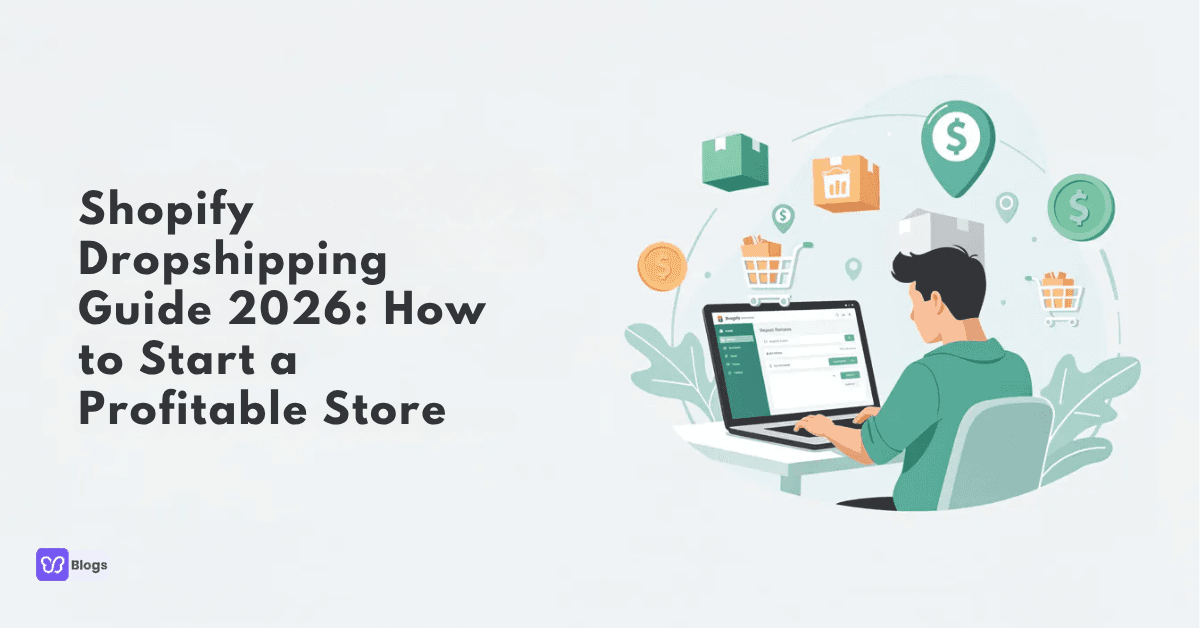
Starting a profitable business online has never been more accessible. This shopify dropshipping guide walks you through everything - from picking a dropshipping niche to scaling a full ecommerce business - so you can launch with confidence, not guesswork.
What Is Dropshipping in Shopify?
Dropshipping in Shopify is a dropshipping business model where you run an ecommerce store on Shopify, list dropshipping products, and let third party suppliers handle inventory, packing, and shipping. You never touch the product.
A Shopify store paired with a reliable dropshipping supplier lets you sell online without managing inventory or warehousing.
When a customer places an order, the supplier ships directly to them - you focus on marketing and customer experience.
Shopify has 2.8 million online stores globally and remains a popular ecommerce platform for this model, though alternative platforms like WooCommerce and Wix exist.
Whether you want to dropship on Shopify as a side project or build a full shopify dropshipping business, the platform's app ecosystem makes using Shopify to dropship straightforward even without coding skills.
Pros and Cons of Shopify Dropshipping
For shopify dropshipping for beginners, the low barrier to entry is the biggest draw. Experienced sellers value automation and the ability to scale quickly across sales channels.
Pros:
Low startup cost – you can start a dropshipping business without bulk inventory or business funds for warehousing.
Fast store setup with Shopify's user-friendly interface that requires no coding skills.
A massive Shopify App Store with many dropshipping apps for order fulfillment and inventory syncing.
Work with multiple suppliers to reduce risk and source from global suppliers or US based Shopify brands.
Full control over brand identity, customer data, and product pages.
Cons:
High monthly costs can accumulate due to apps, themes, and Shopify charges additional transaction fees if external payment gateways are used.
Reliance on overseas suppliers or any dropshipping supplier for product quality and timely shipping.
Shipping times from international warehouses can frustrate potential customers expecting faster shipping.
Strong competition from other sellers in popular niches – customization options are more limited on Shopify compared to self-hosted platforms.
Success in dropshipping relies on product selection and marketing skills, not just having a store.
How Shopify Dropshipping Works Step-by-Step
The flow is simple: a visitor lands on your online store, browses your catalog, and places an order. You collect payment, the customer pays your retail price, and the supplier ships the product directly.
You are the seller of record - you handle pricing, marketing strategies, and customer satisfaction.
The supplier ships products from their warehouse; you never see or stock inventory.
Automation tools streamline product imports and order fulfillment - Shopify settings can automatically forward orders to suppliers, and apps handle tracking updates.
You can use a popular dropshipping app like DSers or Spocket, or work directly with vetted suppliers and brands offering dropshipping arrangements.
Planning Your Shopify Dropshipping Business
Jumping in without a plan leads to random product choices and wasted ad spend. Before you start dropshipping, map out your first 3–6 months.
Research your target audience: demographics, interests, where they spend time on social media, and what problems they need solved.
Set a realistic budget - new dropshippers typically budget $200–$600 for the first month covering Shopify plan, apps, domain, and initial ad spend.
Define revenue goals: modest first-month expectations, then build toward consistent weekly sales.
Plan marketing strategies from day one - SEO, social media ads, content marketing can enhance brand visibility and engagement.
Choose a business structure early (sole proprietor vs. LLC) to keep personal and business funds separate.
Choosing a Profitable Niche and Products
A dropshipping niche defines your target audience, product catalog, and every marketing message you create. Choosing a niche helps to focus marketing and product offerings.
2026 trending niches: eco-friendly pet gear, smart kitchen tools, DIY beauty devices, home office ergonomics. Popular dropshipping niches include fashion, beauty, and tech gadgets.
Use Google Trends to assess product demand and regularly check keyword trends to stay aligned with market demand. Keyword research helps identify high-demand niches.
Amazon's Best Sellers list updates hourly for trending products - use it alongside AutoDS, which provides real-time data for product research.
Criteria: real demand, clear audience, 25–60% gross margins, products easy to ship. Aim for a 2.5x to 3x markup on your product prices.
Product research is crucial for dropshipping success - narrowing your focus improves ad performance and social media content ideas if you want to sell products quickly as a dropshipping business idea.
Deciding on a Business Structure and Legal Basics
Picking a business structure doesn't need to be complicated for starters.
Most US/UK/EU beginners start as sole proprietors when validating a shopify dropshipping store - minimal paperwork, fast setup.
Once revenue grows, consider an LLC (US) or limited company (UK/EU) for liability protection and tax optimization.
Register for a tax ID or VAT number where required. You must collect sales tax based on your jurisdiction - configure Shopify tax settings accordingly.
Add essential legal pages: privacy policy, refund policy, terms of service. You can legally dropship on Shopify without a formal company in many regions, but always check local laws.
Setting Up Your Shopify Account and Storefront
This shopify dropshipping guide section walks you through the initial setup of your ecommerce website.
Create a Shopify account - Shopify offers a free trial for the first 3 months at $1/month, then Shopify's Basic plan costs $39/month.
Choose a brandable store name and connect a custom domain (domain registration costs around $10–$20/year) for trust and SEO.
Select a responsive theme like Dawn - mobile devices generate over 60% of global e-commerce sales, so mobile optimization is non-negotiable.
Build essential pages: Home, Catalog, About, Contact, FAQs, Shipping & Returns. Transparency about processing times builds credibility for your dropshipping store.
Connecting Dropshipping Apps and Suppliers
Using a single dropshipping app keeps things simple, but combining apps lets you work with multiple suppliers from different regions for redundancy.
DSers connects to AliExpress and can process hundreds of orders simultaneously. Spocket offers dropshipping from global suppliers with fast delivery. Zendrop allows for custom packaging and fast delivery options.
AutoDS supports over 25 global suppliers for dropshipping, automates order fulfillment on Shopify, and handles order tracking updates automatically. AutoDS also automates product imports and order fulfillment.
Shopify Collective connects you with pre-screened, US-based suppliers for faster shipping. Browse the Shopify App Store for even more options.
Reliable suppliers are critical for the success of a dropshipping business. Reliable suppliers ensure product quality and timely shipping - always order samples before committing to a supplier. Consider supplier location for faster shipping options.
Selection criteria: shipping rates, reviews, communication quality, return policies, and whether they offer branded invoices.
How to Dropship Using Shopify: Importing Products Correctly
Learning how to dropship using Shopify starts with importing the right products the right way.
Use your dropshipping app to import products with one click into your shopify dropshipping store - edit titles, descriptions, and images before publishing.
Start with 10–30 products in a tight niche rather than hundreds across random categories.
Never copy supplier content wholesale - rewrite product descriptions, add high quality images, and include detailed product details to avoid duplicate content and low conversions.
Understanding how to drop ship through Shopify correctly means treating every listing as a branded asset, not a generic placeholder.
Designing High-Converting Product Pages
Product pages are where buying decisions happen. A well-optimized product page can increase conversion rates significantly.
Include benefit-focused headlines, clear pricing, multiple images showing the product in use, short feature bullets, and a longer description below the fold.
For shopify dropshipping for beginners: place the hero image, price, and add-to-cart button above the fold. Add FAQs and reviews further down.
Use urgency ethically - limited-stock labels or time-bound offers work, but avoid false scarcity.
Add trust badges, clear shipping time estimates, and return policies directly on your product pages. Optimize product pages for mobile since mobile devices generate over 60% of global e-commerce sales.
Configuring Payments, Taxes, Shipping, and Currencies
Enable Shopify Payments for the lowest fees - Shopify charges additional transaction fees if external payment gateways are used. Add PayPal for broader reach so you can sell online globally.
Set your store currency to match your main market. Enable multi-currency if targeting international buyers.
Configure sales tax and Shopify tax settings for your region. For detailed guidance, refer to Shopify's official documentation.
Most dropshipping store owners bake shipping costs into the product price and offer "free shipping" - keep shipping rates simple with flat-rate options.
How to Market Your Shopify Dropshipping Store
Traffic is the bottleneck for any shopify dropshipping business, not store setup. Shopify stores must generate their own traffic through ads or organic methods.
Core channels: social media ads on Meta and TikTok (budget around $10/day for Facebook or TikTok ads), long-term SEO content, and organic social media like Reels and Shorts.
Marketing costs can range from $100 to $300/month for beginners. Email marketing can encourage repeat business from customers - set up capture popups and abandoned cart sequences early.
If you're learning how to dropship using Shopify, budget for marketing from day one. Content marketing enhances brand visibility and keeps customers coming back.
Pick one primary traffic source, master it, then expand once profitable. A beginner store typically costs around $200/month to run including marketing.
Using Data and Analytics to Optimize
Shopify Analytics and app dashboards reveal which products, traffic sources, and product pages perform best.
Sales can be tracked using metrics like average order value and conversion rate. Also monitor cost per acquisition, refund rate, and profit margins.
Run small A/B tests on pricing, images, and headlines weekly - adjust based on data, not gut feelings.
Use data to cut losing items and scale winners in your shopify dropshipping store. Automated order processing saves time and reduces manual work so you can focus on optimization.
Working With Multiple Suppliers Without Chaos
Using multiple suppliers reduces risk from stockouts, shipping delays, and sudden price changes.
Map backup suppliers to the same products and route orders based on stock levels or customer region.
Challenges include inconsistent packaging, varying delivery times, and communication overhead - automation tools like AutoDS help by letting you automate fulfillment across sources.
A serious shopify dropshipping business should diversify sourcing early. Managing inventory across suppliers is easier with apps that sync stock automatically.
Customer Service and Brand Reputation
Even with traditional dropshipping logistics outsourced, you own the customer experience. Starting a dropshipping business as a long-term brand means treating support as a priority, not an afterthought.
Aim for under 24-hour response times. Use helpdesk tools or canned replies to handle common questions efficiently.
Communicate shipping times clearly and send proactive tracking updates. When issues arise, issue refunds quickly - this drives customer satisfaction, repeat sales, and positive reviews.
Every interaction shapes your brand reputation. Happy customers are your cheapest marketing channel.
Realistic Costs, Timelines, and Profit Margins in 2026
If you're using Shopify to dropship, plan your budget carefully before launch.
Monthly Costs and Budget Items:
Shopify Basic plan: $39/month
Domain: ~$10–20/year
Dropshipping apps: $0–50/month
Starter ad budget: $150–$500/month
Product samples: Always budget for product samples to verify quality
New dropshippers typically budget $200–$600 for the first month. A beginner store typically costs around $200/month to run once stable.
Timeline: a few days to launch, several weeks of testing ads and adjusting product selection before consistent sales.
Aim for a 2.5x to 3x markup on product prices to cover platform fees, app costs, and advertising. Typical net margins settle at 10–25% after optimization.
Common Mistakes New Shopify Dropshippers Make
Many reading a shopify dropshipping guide forget that patience is part of the model.
Common Mistakes:
Copying generic product descriptions from suppliers – kills SEO, kills conversions.
Ignoring shipping times and overselling products that take 2–3 weeks to arrive without transparency.
Picking ultra-cheap, low-quality products that generate returns and negative reviews.
Over-reliance on one supplier – always have backups.
Not testing ad creatives or quitting after the first losing product.
Neglecting SEO and social media presence, which increases long-term reliance on expensive paid ads.
How to Scale a Winning Shopify Dropshipping Store
Scale when you have consistent profitable sales, stable supplier performance, and repeat customers.
Add complementary products, upsells, and bundles. Explore new countries or ad platforms as additional sales channels.
Automate routine tasks - order forwarding, tracking uploads, basic customer emails - to free time for strategy.
Improve branding gradually: better packaging, print on demand options for custom products, professional creatives. Consider moving toward private label for higher margins.
Understanding how to drop ship through Shopify at scale means turning a basic setup into a real ecommerce business with systems, not just hustle.
FAQ: Quick Answers About Shopify Dropshipping
Here are answers to the most common questions about Shopify dropshipping.
Is Shopify good for dropshipping?
Yes - Shopify is a popular platform for dropshipping with a massive app ecosystem, reliable hosting, and built-in tools for market research and analytics. It powers millions of stores worldwide.
How much money do I need to start dropshipping?
You can start with as little as $200–$600 covering your Shopify plan, domain, one or two apps, and initial ad spend. Shopify offers a free trial for the first 3 months at $1/month.
Can I dropship on Shopify with no inventory?
Absolutely - that's the core of the model. Your dropshipping supplier holds and ships all stock. You handle your Shopify account set up, marketing, and customer service.
How long until my first sale?
Some stores see a sale within days if product selection, creatives, and targeting align. Others take several weeks of testing. Patience and iteration matter more than luck.
How do I actually start if I'm a complete beginner?
If you're exploring shopify dropshipping for beginners, start with one niche, one supplier app, and one traffic source. Learn how to dropship using Shopify by launching small, testing fast, and scaling what works.

Author
Debutify
Debutify is the easiest way to launch and scale your eCommerce brand.