Sick of Etsy’s Fees? Here Are 7 Etsy Alternatives That Give You More Control
Selling handmade items online has been a growing trend. For those selling handmade goods, choosing the right platform can support long-term growth, help maintain brand identity, and provide better control over profits. Many creators have used Etsy to reach buyers and establish a solid presence. Yet some seek other options because of rising fees and strict rules.
This article explores the top Etsy alternatives, so you can find a better way to sell your crafts. Etsy sellers looking for more control and better options will find valuable insights here. We’ll cover Etsy alternatives for sellers who want lower fees and more customization, as well as highlight how small business owners can benefit from these alternative platforms. Keep reading to see why these options might give you better features and more freedom.
What Is Etsy?
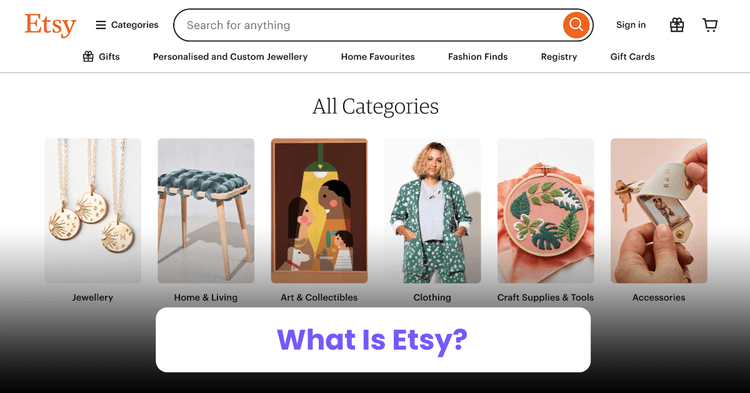
Etsy is an online marketplace for handmade items and vintage products. The Etsy platform is known for its user-friendly interface, built-in audience, and features like customizable storefronts and integrated payment processing. Many sellers like how it introduces them to thousands of potential buyers. Others praise the sense of community there.
Yet some sellers have voiced concerns. Many Etsy sellers face challenges with high fees and limited visibility, making it difficult to maximize profits and reach new customers. Many do not like rising transaction fees and changing policies. Some also struggle with competition and find it hard to stand out. These issues have sparked interest in looking for strong Etsy alternatives.
Below, we break down seven popular Etsy alternatives. Each offers seller-friendly options and better control over your store. These platforms help you connect with your audience and earn more money from your creativity. Etsy provides marketplace exposure by giving sellers visibility to a large audience, which is a key factor in driving marketplace sales. Marketplace sales are central to both Etsy and its alternatives, as these platforms facilitate transactions and provide tools for sellers to grow their businesses. For those seeking different options, there are many online marketplaces that offer unique features and opportunities for artisans and small businesses.
7 Etsy Alternatives for Selling Your Handmade Crafts

1. Shopify
Shopify is a powerful platform for selling crafts online. It gives you full control over your store, pricing, and customer interactions. You can handle payments, manage your inventory, customize your store's look, and with Shopify accounting automation keep your financial records synced automatically. Shopify’s website builder makes it easy to create a professional, customizable online store without needing advanced technical skills. This setup appeals to creators who want more freedom than they have on Etsy. With Shopify, you can set up your own store and have full control over branding and customer experience.
Many online sellers pick Shopify because it is easy to use. You do not need extensive technical skills to build a store. Once you sign up, you can choose a store theme that suits your style. Shopify also provides a range of selling tools to help you manage, optimize, and grow your store efficiently. One of the best is the Debutify Theme, which helps optimize your website for conversions. It has quick loading times and clear page layouts that keep customers engaged.
Shopify offers a helpful support system, including live chat and step-by-step guides. This is handy for people who need extra assistance. Shopify lets you add payment gateways and track orders smoothly. You can also sync your store with social media channels if you want to expand further.
Shopify stands out among other Etsy alternatives because of its user-friendly interface and advanced options. It appeals to both beginners and established sellers who want to avoid marketplace limits. If you prefer making business decisions on your own, Shopify might be the right choice. Shopify enables you to sell products online and sell online easily, making it a strong option for independent creators.
2. Payhip
Payhip is one of the best eCommerce platforms for creators who want to sell digital products and physical products online.
Payhip is widely known for offering a generous forever-free plan with unlimited access to website-building tools, allowing you to create a professional storefront without upfront costs. Instead of monthly fees, you pay a small 5% transaction fee per sale, which is lower than Etsy's. As your business grows, you can upgrade to a flat-rate plan starting at $99 per month.
With Payhip, you retain full control over your branding, pricing, and customer data. You can customize your storefront. Payhip also automatically handles sales tax and VAT calculations, ensuring international compliance.
The platform offers automated file delivery and security features like PDF stamping and download limits. Profit margins are exceptionally high because digital products cost nothing to replicate, and Payhip only takes a small fee or a flat subscription.
Payhip offers a digital marketplace where eligible creators can gain extra visibility and reach new customers at no added cost. Many sellers choose Payhip because it requires no technical skills.
Payhip also includes built-in marketing tools designed to grow your business, including coupons, affiliate marketing, cross-selling, and email marketing features. It serves as an excellent all-in-one selling platform.
Customer support is another area where Payhip stands out, receiving consistently positive reviews.
Payhip is one of the best Etsy alternatives because it combines affordability, a branded storefront, and marketplace exposure. Whether you're selling digital downloads, online courses, memberships, coaching services, or physical products, Payhip provides everything you need to start and grow an online business.
3. Big Cartel
Big Cartel is another online platform that crafters often choose. It is simpler, with a neat interface and fewer distractions. You can set up a small store quickly, which suits people with a limited product line.
Many small-scale artists use Big Cartel to display and sell unique items. The platform provides a clean online storefront that buyers appreciate. You can also connect a custom domain name if you want a more professional look. Big Cartel is an excellent Etsy alternative for artists and makers, letting you create your own website with ease.
Fees can be a key factor for sellers. Big Cartel has a free plan for those who want to test the waters. It allows a few product listings at no monthly cost. If you need more listings, you can move to a paid plan. These flexible pricing options appeal to creators looking for budget-friendly alternatives to Etsy.
Big Cartel might not have as many advanced features as some rivals. Still, it handles the basics well. You can process payments through PayPal or Stripe and integrate social media links. If simplicity is your priority, Big Cartel could be a solid fit for your craft business. It's a great Etsy alternative for those wanting a straightforward platform.
4. Zibbet
Zibbet is an online multi-channel platform with a goal to help creators sell across various marketplaces. It allows you to list items on multiple platforms, including Etsy itself, but also on its dedicated marketplace. This approach appeals to those who want to reach different audiences without juggling many dashboards. By listing on Zibbet, sellers can increase their marketplace exposure, reaching more potential buyers across multiple online marketplaces.
One benefit of Zibbet is its unified interface. You can edit product details, track orders, and manage inventory from a single location. This reduces time spent switching between platforms. You can also keep track of sales metrics and identify your top-selling products. Zibbet makes it easy to manage marketplace sales across different platforms, streamlining the process for sellers.
Custom branding is another advantage. You can design a neat storefront that showcases your crafts well. Many sellers find this better than Etsy’s layout, which can feel crowded. Zibbet also gives you direct access to your buyers, so you can manage customer relationships more effectively.
Zibbet charges a monthly subscription fee based on how many sales channels you use. This gives you clear payment structures and no unexpected fees. If you are seeking Etsy alternatives that simplify multi-channel selling, Zibbet might be a good match. Zibbet is especially useful for Etsy sellers who want to expand their reach and reduce dependence on a single platform.
5. Folksy
Folksy is a UK-based platform dedicated to handmade crafts. It is similar to Etsy, but it focuses on items made in the UK. Folksy allows you to sell handmade items and reach buyers interested in unique crafts. This local emphasis can help you reach buyers who value British craftsmanship and support local artisans. The user interface is straightforward, letting you add listings with ease.
The Folksy community is active and supportive. Many sellers like the direct connection with craft enthusiasts. You can also offer personalized items to customers on Folksy, catering to those looking for custom or one-of-a-kind gifts. However, keep in mind that shipping costs and currency conversions might affect international sales. If you cater mostly to UK buyers, Folksy is a strong choice.
Fees are simple. You can either pay as you list items or use a monthly plan for unlimited listings. The monthly plan works well if you have many products. Folksy also offers helpful resources in its blog and forums.
Some people seek out Folksy because of its niche community, which sets it apart from large marketplaces. If you have UK-inspired crafts or want to tap into the UK audience, Folksy can be one of the best Etsy alternatives to explore.
6. ArtFire
ArtFire is a marketplace that focuses on handmade items, craft supplies, and vintage pieces. It has a loyal following of art lovers who appreciate unique creations. ArtFire emphasizes selling handmade goods and supports artisans looking to grow their businesses. Sellers can showcase their products through customizable shops, adding a personal flair to their online presence.
ArtFire’s listing process is not complicated. You can quickly upload product images and descriptions. There are also tools for social media sharing, which helps you attract more buyers. ArtFire provides selling tools that help sellers manage and grow their shops, offering analytics and features to support business growth. ArtFire offers a community-driven atmosphere that many crafters find appealing.
Fees are competitive. You can pick from different plans based on your needs. Higher-tier plans might provide more promotional features. Some prefer ArtFire over Etsy because it has fewer sellers, which can lead to less competition. Others see it as a smaller stage but like the specialized audience of craft fans.
For creators seeking Etsy alternatives with a strong handmade focus, ArtFire is worth a look. The platform’s reputation for hosting genuine, handmade goods can help you stand out and connect with people who appreciate artistry.
7. Redbubble
Redbubble is a print-on-demand platform that welcomes a broad range of artists. It caters to graphic designers, illustrators, and photographers. You can upload your designs, and Redbubble handles printing, shipping, and customer service. Redbubble specializes in print on demand products, making it easy for artists and designers to sell custom merchandise without managing production or fulfillment. This system appeals to those who do not want to manually manage inventory or post items.
The platform covers products like shirts, stickers, phone cases, etc. T-shirts and wall art are especially popular product categories on Redbubble, appealing to sellers interested in custom apparel and home decor. The user interface is simple, allowing you to focus on creating designs. Once your work is uploaded, Redbubble takes care of the logistics. You earn a margin on each sale without dealing with production tasks.
Redbubble’s audience is large and global. People visit it to find unique artwork for themselves or as gifts. Unlike Etsy, Redbubble is not limited to handmade physical items. It is a key option for digital artists seeking Etsy alternatives without the hassle of shipping crafts.
Profit margins can vary, but you set your own markup. Some artists earn consistent income from their designs. If you want a hands-off approach to product creation and shipping, Redbubble can be an attractive choice.
8. Amazon Handmade
Amazon Handmade is a specialized section of Amazon that features handmade goods. It serves sellers who want to access Amazon’s massive customer base. For artisans, Amazon's massive customer base means greater exposure, higher sales potential, and access to a loyal, global audience. Setting up a shop on Amazon Handmade involves an application process, which helps maintain the quality of items listed.
Once accepted, you can list your crafts under specific categories. Amazon Handmade allows you to sell personalized items, letting customers request customizations for a unique shopping experience. Many shoppers already trust Amazon for quick shipping and reliable service. This can help you attract a large audience. However, fees might be higher than on some other platforms, and competition is strong. Amazon Handmade charges a final value fee, which is a percentage-based fee taken from each completed sale, impacting your overall profit margins.
Still, some sellers prefer Amazon Handmade because it offers a built-in consumer base. You can also try Amazon’s fulfillment services for shipping. Amazon Handmade can be a powerful alternative for crafters who want to reach as many potential buyers as possible. Compared to the Etsy platform, Amazon Handmade offers a larger audience, robust fulfillment options, and a different fee structure, making it a strong competitor for artisans seeking growth.
Selling Digital Downloads and Products on Etsy Alternatives
For many sellers, offering digital downloads and products is a smart way to grow an online store without the hassle of shipping physical goods. If you’re looking to sell digital products like ebooks, printables, templates, or digital art, several Etsy alternatives make the process simple and profitable. Platforms such as Sellfy, Shopify, and WooCommerce are especially popular among creators who want more control over their digital downloads.
Sellfy stands out for its user-friendly interface, making it easy to upload, manage, and sell digital products. You can set up your store quickly and start selling digital downloads with minimal technical know-how. Shopify, on the other hand, offers a comprehensive suite of tools for selling both physical and digital products, allowing you to manage everything from payment processing to customer support in one place. WooCommerce is another excellent option for those who want to turn their existing website into a fully functional online store for digital goods.
One of the biggest advantages of these platforms is the ability to customize your store’s look and feel, helping you build a unique brand identity. You also get direct access to customer data, which can be invaluable for marketing and building long-term relationships. Key features to look for when selling digital products on these Etsy alternatives include secure payment processing, digital rights management, and responsive customer support. By choosing the right platform, many sellers find they can keep more of their profits and scale their business with ease.
Comparing Listing Fees and Costs Across Platforms
Understanding the true cost of selling on different platforms is crucial for maximizing your profits. Etsy charges a $0.20 listing fee per item, plus a 3.5% transaction fee and a payment processing fee of 3% + $0.25 per sale. These fees can add up quickly, especially for sellers with high sales volume or lower-priced items.
In contrast, other platforms like Shopify and Big Cartel offer more predictable pricing structures. Shopify’s basic plan starts at $29 per month and does not charge listing fees, making it easier to budget as your business grows. Big Cartel is a great option for those just starting out, offering a free plan that lets you list up to five products with no upfront costs. This is ideal for testing the waters before committing to a paid plan.
Amazon Handmade and eBay have their own fee structures, often based on the type and price of the item. For example, Amazon Handmade charges a referral fee on each sale, which can be higher than Etsy’s fees but gives you access to Amazon’s massive customer base. When comparing platforms, don’t forget to factor in payment processing costs, shipping fees, and any marketing expenses. By carefully evaluating listing fees and other costs across platforms, you can choose the best option for your business and keep more of your hard-earned revenue.
How to Choose the Right Etsy Alternative for Your Business
Selecting the right Etsy alternative for your business starts with understanding your unique needs and goals. If you’re a handmade seller looking to reach a broad audience, Amazon Handmade might be the best Etsy alternative, thanks to its large customer base and focus on artisan goods. For those selling digital products, platforms like Sellfy or Gumroad offer specialized tools for digital downloads and easy payment processing.
If building your own online store with a custom domain and complete control over branding is important, Shopify or WooCommerce are excellent choices. These platforms let you create a fully customized storefront, manage your own online store, and access advanced marketing tools to grow your business. Consider the level of customization, customer support, and marketing resources each platform provides, as these can make a big difference as your business expands.
Think about your target audience, the competition on each platform, and your long-term growth potential. Some platforms are better suited for niche handmade sellers, while others excel at selling digital products or print on demand items. By weighing the pros and cons of each option and considering factors like fees, support, and scalability, you can confidently choose the right Etsy alternative to start selling and build a successful online business.
Embrace These Etsy Alternatives for Greater Freedom and Your Own Online Store

Etsy has helped many sellers bring their crafts to a broader market. Yet the fees and tough competition push some people to seek more flexible Etsy alternatives. Platforms like Shopify, Big Cartel, Zibbet, Folksy, ArtFire, Redbubble, and Amazon Handmade offer different benefits. You can tailor your choice to match your goals, budget, and artistic focus.
Consider what matters to you: customization, support, lower fees, or direct audience reach. Each platform listed here can address specific needs. If you want a user-friendly option, Shopify stands out. For multi-channel management, Zibbet might be your best bet. For a UK focus, try Folksy. If you love print-on-demand, Redbubble can simplify your workflow. Many alternative platforms also let you sell digital goods and digital items, making it easy to offer downloads like templates, PDFs, or other digital products. By exploring these Etsy alternatives, you gain more control over your shop. This can lead to higher earnings and a better experience for both you and your buyers.
You do not have to settle for one marketplace. Many sellers pick two or more platforms for maximum exposure. Expand your options and see how these Etsy alternatives can benefit your craft business. Consider using discount codes to attract buyers, setting up an Instagram shop to reach new audiences, and leveraging Google Shopping to boost your online sales. Your art deserves a platform that suits your style, budget, and future plans.

Author
Chippo Masayon
Chippo Masayon is Debutify's SEO Team Lead. He has deep expertise in eCommerce. His hands-on experience optimizing countless stores gives him unique insights into traffic, conversions, and growth.