How to Design a Logo That Stands Out in a Crowded Market
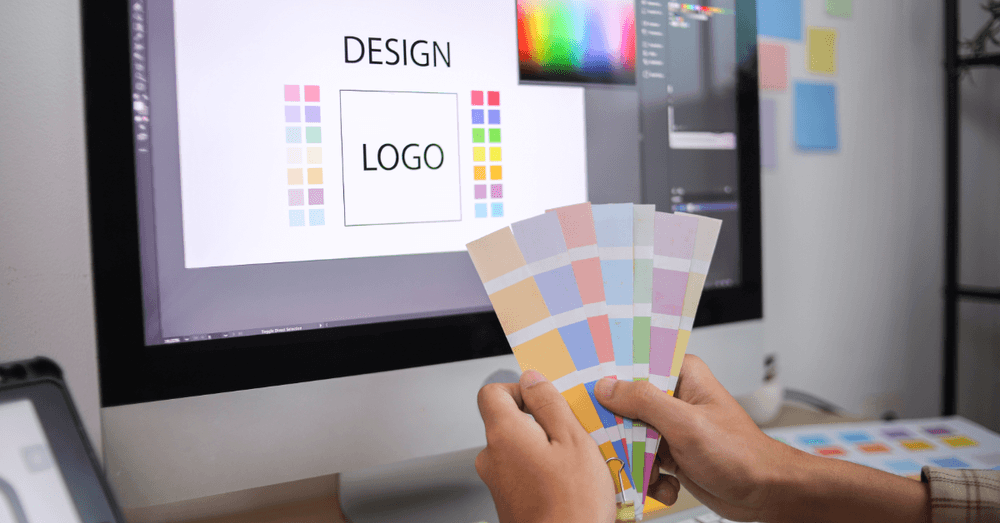
In today’s saturated marketplace, standing out is no longer optional — it’s essential. With countless brands competing for attention, your logo plays a critical role in making a strong first impression. It’s often the first visual interaction a customer has with your business, and in many cases, it determines whether they remember you or move on.
Designing a logo that stands out requires more than creativity. It demands clarity, strategy, and a deep understanding of what makes a brand visually distinctive.
Start With a Clear Brand Identity
Before sketching ideas, experimenting with a generative AI logo tool, or choosing colors, you need to define what your brand represents. A logo is not just a graphic — it’s a visual expression of your brand’s personality, values, and purpose.
Ask yourself:
- What message do you want to communicate?
- Who is your target audience?
- What emotions should your brand evoke?
The answers to these questions will guide every design decision. Without this foundation, even the most visually appealing logo can feel disconnected or ineffective.
Simplicity Is Your Strongest Tool
In a crowded market, simplicity often cuts through the noise. The most memorable logos are clean, focused, and easy to recognize at a glance.
A simple design improves versatility, making your logo effective across different platforms — from social media icons to large-scale banners. It also ensures that your brand remains recognizable even when viewed quickly or at a small size.
Many successful designs achieve this balance by focusing on strong shapes and minimal elements, similar to examples like the capcut logo png, where clarity and structure allow the logo to remain instantly identifiable across various formats.
This principle applies across industries for instance, if you're building a logo for your news platform, the same clarity and simplicity ensure your brand stays recognizable across print, digital, and social formats.
Focus on Distinctiveness
Standing out doesn’t mean being overly complex — it means being different in a meaningful way. Your logo should avoid generic symbols and overused design trends that blend in with competitors.
Instead, aim for a unique combination of shapes, typography, and visual elements that reflect your brand’s identity. Even subtle details can make a logo more recognizable.
Distinctiveness is what allows your audience to remember your brand long after they’ve seen it.
Choose Colors With Purpose
Color is one of the most powerful tools in logo design. It influences perception and evokes emotional responses almost instantly.
Each color carries meaning:
- Blue suggests trust and professionalism
- Red conveys energy and urgency
- Black represents sophistication and authority
- Green often signals growth and balance
Choosing the right color palette helps reinforce your brand message and makes your logo more impactful.
Typography Matters More Than You Think
Fonts are not just decorative — they communicate tone. A bold, modern typeface creates a very different impression than a soft, handwritten one.
Your typography should align with your brand’s voice. For example, a tech startup may lean toward clean, minimal fonts, while a creative brand might explore more expressive styles.
Consistency in typography across all branding materials strengthens recognition and professionalism.
Design for Versatility
A standout logo must work everywhere. It should look just as strong on a website as it does on packaging, merchandise, or social media.
This means considering:
- Scalability (how it performs at different sizes)
- Contrast (how it appears on light and dark backgrounds)
- Flexibility (how it adapts to different formats)
A versatile logo ensures that your brand remains consistent, no matter where it appears.
Avoid Following Trends Too Closely
Trends can be tempting, especially when they dominate the design landscape. However, overly trendy logos risk becoming outdated quickly.
Instead of chasing what’s popular, focus on timeless design principles. A logo that feels relevant today but still works years from now provides long-term value.
Timelessness contributes to stronger brand recognition over time.
Test and Refine Your Design
A logo rarely comes together perfectly on the first try. Testing is a crucial part of the design process.
View your logo in different contexts:
- On digital platforms
- In print
- At various sizes
Gather feedback and make adjustments as needed. Small refinements can significantly improve clarity and impact.
Think Beyond the Logo
While your logo is important, it’s only one part of your overall brand identity. It should work seamlessly with your color palette, typography, imagery, and messaging.
A strong brand is consistent across all touchpoints. When everything aligns, your logo becomes part of a larger, cohesive visual system.
Designing a logo that stands out in a crowded market requires more than just visual appeal. It’s about creating something meaningful, recognizable, and aligned with your brand’s identity.
When done right, your logo becomes more than a symbol — it becomes a powerful tool that captures attention, builds trust, and leaves a lasting impression in a competitive world.

Author
Daniel Mercer
Daniel Mercer is a business and technology writer focused on digital workflows, productivity tools, and modern workplace trends. He covers topics that help professionals streamline operations, improve efficiency, and adapt to evolving digital environments.