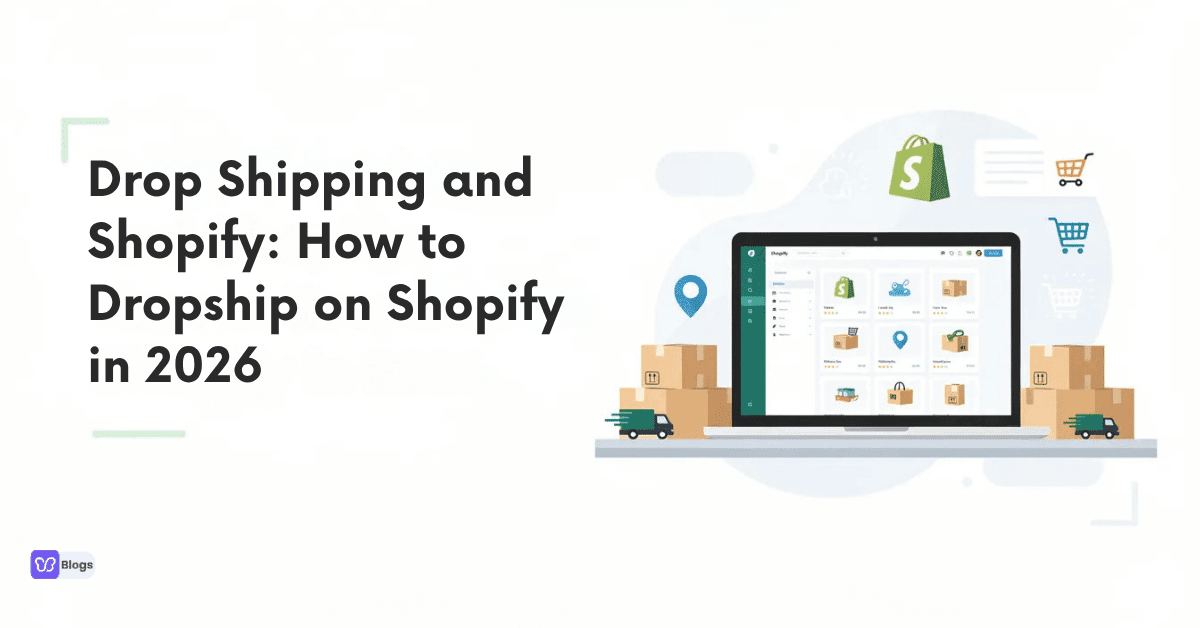
Drop Shipping and Shopify: How to Dropship on Shopify in 2026
Starting an online store has never been more accessible. If you've been wondering how to dropship on Shopify, this guide walks you through every step-from account setup to your first sale.
Quick Overview: How Do You Dropship on Shopify?
Drop shipping and Shopify work together by letting you run a storefront on Shopify while third-party suppliers handle inventory and shipping. Whether you're searching for how to use Shopify to dropship, how to dropship using Shopify, or simply how do you dropship on Shopify, the core process is the same:
Sign up for a Shopify account for dropshipping
Choose a niche backed by market research
Connect a dropshipping app or supplier
Import products into your catalog
Design your store and configure payments
Launch and market your store
Optimize and scale based on data
Before scaling, nail down your business structure-sole proprietor or LLC-and secure at least one reliable supplier.
What Is Shopify Dropshipping and Why It Works
A dropshipping store is an online store where you sell products without ever holding inventory. When a customer orders, your supplier ships the product directly to them. A Shopify dropshipping store is simply this business model hosted on Shopify's platform.
Shopify is a popular platform for launching dropshipping e-commerce stores, with 2.8 million online stores globally and powering 11.8% of dropshipping websites worldwide. Shopify offers a user-friendly interface for beginners, making it easy to sell online without coding skills.
Low risk: No warehouse, no bulk inventory purchases
Fast launch: You can launch a Shopify store in a weekend
Easy testing: Swap products in and out without financial commitment
Full ownership: You control your brand identity, customer data, and pricing-unlike selling on marketplaces
App ecosystem: Connect with global suppliers through Shopify dropshipping apps
This is why millions of merchants use Shopify as their drop shipping website through Shopify in 2026.
Pros and Cons of Drop Shipping with Shopify
Dropping shipping Shopify has clear advantages, but the trade-offs are real and directly affect your bottom line. Competition in dropshipping can be fierce due to low barriers to entry.
Pros:
Minimal upfront investment-spend on your store, not inventory
Launch in days and test dropshipping products quickly
Access multiple suppliers via many dropshipping apps in the Shopify App Store
You own your Shopify store brand and customer data, unlike marketplaces
Cons:
Thinner margins, especially on low-ticket goods (often 10–15%)
Limited control over shipping times-shipping times can be long when suppliers are located overseas
Stock-outs if you depend on a single supplier
Customer service burden falls entirely on you as the seller of record
Step 1: Choose Your Niche and Business Structure
Picking your dropshipping niche and business structure first shapes everything-marketing strategies, pricing, and taxes.
Product research is crucial for dropshipping success. Use Google Trends, social media marketing signals, and competitor product pages to validate demand.
Trending products can lead to quick sales increases. Regularly check product trends to stay competitive.
Concrete niche examples for 2026: sustainable pet accessories, home office gadgets (cable organizers, monitor arms), travel gear (foldable backpacks, packing cubes).
Start as a sole proprietor to test your dropshipping business idea. Consider an LLC once revenue grows-it limits liability and simplifies taxes for your Shopify dropshipping business.
Planning niche and structure early avoids legal headaches and branding confusion later.
Step 2: Create Your Shopify Account for Dropshipping
Setting up a Shopify account for dropshipping takes minutes.
Visit Shopify and start a free trial-Shopify offers a free trial for new users
Enter your business details and select the Basic plan (Shopify's Basic plan costs $39/month)
You must be 18+ and provide payment details before processing real orders
Connect a custom domain (about $10–20/year) so your drop shipping website through Shopify looks professional
This is your storefront foundation-treat the store setup like a checklist
Step 3: Set Up and Design Your Shopify Dropshipping Store
Store design directly impacts trust and conversions when you sell online. Mobile devices generate over 60% of global e-commerce sales, so mobile-first design isn't optional.
Pick a free, mobile-friendly theme from Shopify's library
Add your logo, brand colors, and clear navigation: Home, Catalog, Contact, FAQs, Policies
Optimize the homepage hero section with a clear value proposition and featured products
Keep things simple at launch: limited apps, clean layout, fast load times
This is how to set up Shopify dropshipping store the right way-prioritize clarity over complexity
Learning how to set up dropship on Shopify means resisting the urge to over-customize before you have traffic data.
Step 4: Connect Dropshipping Apps or Direct Suppliers
You can source products through a popular dropshipping app or work directly with suppliers. Apps are faster; direct relationships give more control.
AliExpress-style catalogs (DSers, AutoDS): Huge product selection, best for testing. AutoDS automates order fulfillment on Shopify, imports product details directly into your store, offers real-time inventory updates to prevent overselling, provides automated tracking updates for orders, and its AI tools optimize product titles and descriptions. AutoDS supports over 25 global suppliers for dropshipping.
US/EU suppliers (Shopify Collective, Spocket, DropCommerce): Faster shipping, higher margins. Shopify Collective connects you with US-based suppliers.
Print on demand (Printful, Printify): Custom-branded products with no minimums.
Apps make it much easier to start dropshipping quickly by syncing inventory and automating orders through automated order processing.
Vet multiple suppliers early-reliable suppliers ensure product quality and timely shipping. Always order product samples before committing to a supplier.
Step 5: Import Products to Your Shopify Store
This is where you actually import products into your catalog and prepare to sell products.
App-based importing works through one-click or bulk import of titles, photos, variants, and pricing
Edit every listing-rewrite product descriptions, select quality images, adjust variants. Leaving default supplier text creates duplicate content issues and kills SEO
Aim for a 2.5x to 3x markup on your source price for profitability
A good dropshipping store starts with a small, curated catalog (10–25 items) rather than hundreds of random products
This importing step is core to how to set up dropship on Shopify properly
Step 6: Build and Optimize High-Converting Product Pages
Detailed, trustworthy product pages decide whether visitors buy or leave. The average conversion rate for e-commerce websites is 1.4%, so every element matters.
Write unique, benefits-focused descriptions with relevant keywords in titles, meta descriptions, and headings for search engine optimization
Add clear sizing charts, lifestyle images, and multiple angles-not just supplier stock photos
Include social proof: reviews, star ratings, trust badges
Optimize product pages for both conversion rate and organic traffic
77% of U.S. consumers rate convenience as important to buying decisions-make product details, shipping info, and checkout friction-free
Step 7: Configure Payments, Taxes, and Shipping
Your Shopify store must be ready to take payments and handle shipping logistics before you run ads.
Enable Shopify Payments (or local gateways) plus PayPal; set your main store currency
Configure Shopify tax settings and collect sales tax or VAT for your region
Create clear shipping zones with transparent shipping rates-consider free shipping thresholds or flat-rate options
State estimated delivery time ranges prominently; long shipping without warning causes negative reviews and chargebacks
Marketing Your Shopify Dropshipping Store
Without marketing, even the best Shopify dropshipping store won't make sales. Shopify does not provide built-in traffic like Amazon or Etsy-you must attract customers yourself.
Set up social media profiles, create short-form video content for TikTok and Instagram to reach your target audience
Add email capture on-site; email marketing can encourage repeat business from customers
Test at least one paid channel (Meta Ads or TikTok) with a modest budget. Paid ads can cost $10/day per product for testing, with marketing costs reaching $100–$300/month for ads
Content marketing can improve search rankings and customer engagement, building sustainable organic traffic over time
Influencer marketing can extend reach and credibility for your brand
Combining free and paid marketing tools builds a well-rounded strategy
Use Shopify analytics to track which traffic sources, sales channels, and product pages convert best
Scaling with Multiple Suppliers and New Products
Once you have consistent sales, scaling means adding winning products and diversifying suppliers.
Use multiple suppliers across regions to cut shipping times and protect against stock issues
Building relationships with suppliers can lower costs and improve service over time
Test new products systematically: small ad budget, 3–7 days of data, then scale winners or cut losers
Gradually refine your catalog-focus on products with strong margins, low return rates, and proven demand
Common Mistakes When Starting a Dropshipping Business on Shopify
Most failures in starting a dropshipping business come from avoidable errors.
Copying supplier descriptions verbatim-hurts SEO and looks unprofessional
Choosing only ultra-cheap, low-quality products from overseas suppliers that take 3–4 weeks to arrive, leading to disputes and chargebacks
Ignoring business structure and mixing personal and business funds
Neglecting customer service, refund policies, and response times
Example: A store selling trending LED gadgets with 25-day shipping and no tracking saw 40% of orders disputed-setting clear delivery expectations upfront would have prevented most issues
How to Use Shopify to Dropship with Apps vs Direct Suppliers
There are two main approaches to how to dropship using Shopify: app-based sourcing and direct supplier relationships.
Apps: Fastest way to start dropshipping, massive catalogs, automated order processing-but lots of competition from other sellers using the same products
Direct suppliers: Better pricing, custom packaging, stronger brand identity-but requires manual negotiation and more setup time
Hybrid approach: Start with apps, then add 1–2 direct partners as you scale and identify your best-selling niche
Beginners should start with apps and transition to hybrid once they understand their target market
Legal Basics, Policies, and Business Structure Essentials
Even lightweight models like drop shipping and Shopify need basic legal hygiene.
Add clear terms, privacy policy, shipping, and refund pages using Shopify's built-in templates
Upgrade from sole proprietor to LLC as revenue grows-this separates business funds from personal assets
Register for tax collection and ensure you collect sales tax or VAT where applicable; consult a professional for compliance
Keep it simple: these steps protect you and build trust with potential customers
Improving Store Performance with Data and Testing
Ongoing optimization separates hobby stores from a profitable business.
Use Shopify analytics to spot best-selling dropshipping products, high-exit pages, and weak traffic sources
A/B test pricing, images, and headlines on product pages to lift conversion rates
Track profit after ad spend, apps, and fees-not just revenue-so the business model stays sustainable
Conduct market research regularly and monitor Google Trends for shifts in your dropshipping niche
Customer Service, Returns, and Brand Reputation
While your supplier ships orders, you are still the face of your online store. Merchants remain responsible for customer service and returns even with dropshipping.
Set response time targets (within 24 hours) and use helpdesk tools for excellent customer support
Clearly state return and refund terms on-site and in confirmation emails to maintain customer satisfaction
Provide proactive order updates with tracking info
Lost parcel scenario: Contact the supplier immediately, issue a replacement or refund, and communicate transparently with the customer. This turns potential negative reviews into loyalty.
Realistic Costs and Profit Expectations for a Shopify Dropshipping Store
Starting a dropshipping business is low cost but not free. Here's what to expect in 2026:
Expense | Monthly Cost |
|---|---|
Shopify Basic plan | $39/month |
Domain | ~$10–20/year |
Dropshipping apps | $0–50/month |
Starter ad budget | $100–$300/month |
Total first month | ~$200–$600 |
Most dropshippers on Shopify earn between $1,000 and $2,000 monthly on average
A 2.5x to 3x markup on products is recommended for profitability, but refunds, shipping costs, and ad inefficiencies reduce net margins
Keep the business model lean at first: fewer apps, focused testing, tight budgeting
Shopify stores can launch in a weekend but may take weeks to see consistent sales
FAQ: Short Answers to Popular Shopify Dropshipping Questions
Quick answers to the most-searched questions about Shopify dropshipping:
How to dropship on Shopify?
Sign up for Shopify, install a dropshipping app, import products, set pricing with a 2.5x–3x markup, and launch your store.
How do you dropship on Shopify?
You create a Shopify store, connect to suppliers through apps like DSers or AutoDS, and sell products without holding inventory.
Not quite-you'll need at least $200–$600 for the first month covering your plan, domain, and initial ads.
How long until first sales?
Most stores see first orders within 1–4 weeks of launching marketing efforts, depending on niche and ad spend.
Do I need inventory?
No. Dropshipping allows for low upfront investment since inventory is not purchased until sold. The supplier ships directly to your customer.
Can I convert an existing Shopify store into a dropshipping store?
Yes-install a dropshipping app, change your fulfillment methods, and start importing products from suppliers.
Conclusion: Is Shopify Dropshipping Right for You in 2026?
Drop shipping and Shopify remain a strong match for entrepreneurs with limited capital, marketing drive, and willingness to test and iterate. Building a dropshipping business requires choosing reliable suppliers and effective marketing-not perfection on day one.
Choose your niche and business structure first
Launch your Shopify dropshipping store, import products, and optimize product pages
Drive organic traffic through SEO and paid traffic through ads
Start small, learn fast, and iterate-don't wait for the "perfect" idea
Your next step: Sign up for Shopify's free trial, set up your drop shipping website through Shopify, and launch your first products this weekend

Author
Debutify
Debutify is the easiest way to launch and scale your eCommerce brand.