How to Start an Internet Business in 2026: From Idea to First Sale
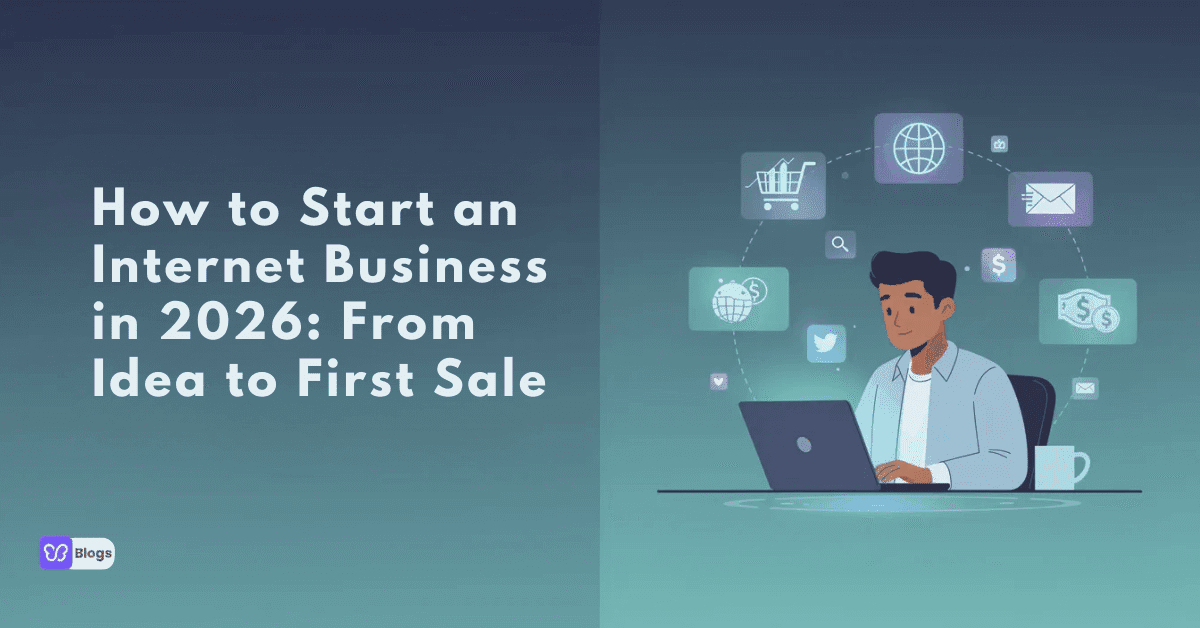
Starting an online business has never been more accessible. With AI tools, lean platforms, and remote work culture, aspiring entrepreneurs can go from idea to first sale in weeks. This guide walks you through every phase of launching a profitable internet business-even from your kitchen table.
1. Quick-Start Overview: Steps in Starting an Online Business
If you want to know how to start a business online, here is the short version:
Pick a niche and business idea
Validate demand with real tests
Handle legal setup and business finances
Build your brand and ecommerce website
Drive traffic and convert your first customers
Iterate and optimize
Starting an online business requires a clear roadmap. Anyone can learn how to start internet business ventures from home with a laptop, a simple plan, and a lean launch. The steps in starting an online business above cover everything from coaching brands to product-based ecommerce stores. In 2020, ecommerce sales increased by 34% year over year-and that momentum has only accelerated. This online business process can realistically be completed in 30–90 days on a small budget, whether you want to how to open an online business selling physical products or launch a service-based online company.

2. Clarify Your Goals and Motivators Before You Open Business Online
Knowing your "why" makes the difference between quitting in month three and pushing through to consistent revenue. Over 52% of small businesses in the U.S. are home-based, and in 2015, one-third of the US workforce freelanced-so you're in good company.
Ask yourself: do you want extra income, a full salary replacement, or a sellable asset? Your answer shapes everything-pricing, marketing strategy, and business structure.
Common motivators:
Time freedom and geographic independence
Turning a hobby into a business online
Building something you own instead of working for someone else
Write a one-page vision describing your life 12 months after you how to open business online: rough revenue target, hours worked per week, and where you live. This clarity guides your online business setup decisions from here forward.
3. Choose the Right Online Business Ideas and Niche
Picking a clear niche is the first real step in planning online business success. Identifying a unique market gap can lead to business success, while broad niches lead to wasted effort. Choosing a business model is critical for planning monetization strategies.
Concrete business idea options for 2026:
Niche dropshipping (drop shipping eliminates the need for inventory management)
Digital products: courses, templates, AI-prompt packs
AI consulting for small business owners
Coaching (life, health, career)
Print-on-demand with custom designs
Micro-SaaS tools
Etsy shop for handmade or vintage goods
Narrow from broad (fitness, pets) to focused (strength training for new dads, eco pet products). Whether you how to start a n online business at home or build a larger brand, solve a specific problem for a specific target audience. B2C is a popular eCommerce business model, while C2C allows consumers to sell products to each other on marketplaces.
Model | Advantages | Disadvantages |
Physical product / ecommerce store | Tangible value, repeatable online sales | Inventory costs, shipping rates, returns |
Service business | Low startup costs, fast to launch | Time-for-money trap, harder to scale |
Digital products / SaaS | High margins, passive income potential | Upfront development, needs volume |

4. Validate Demand Before You Establish Online Business Fully
Before you fully how to establish online business operations, test whether potential customers actually want what you plan to sell. 42% of failed startups result from poor market fit-testing demand early prevents building products that the market doesn't want.
A successful internet business requires validating a profitable idea. Market research validates a business idea by analyzing competitors and demand. Conducting market research helps identify customer needs.
Run a 7–14 day "smoke test":
Build a basic landing page describing your offer
Spend 50–200 on small ads targeting your target market
Measure signups, pre-orders, or waitlist interest
Scan competitor reviews for unmet needs
Building a minimum viable product allows for real customer feedback before you invest months of work. This step alone can save enormous time and money when setting up an online business.
5. Design a Lean but Clear Business Plan
You don't need 40 pages-but you do need a written business plan before setting up an online company. A lean business plan outlines a business model and target audience. A business plan helps visualize future company goals and outlines short- and long-term objectives.
Core elements:
Customer persona and the specific problem you solve
Pricing model and cost structure (hosting, tools, marketing campaigns)
Revenue projections with conservative, moderate, and optimistic scenarios
Competitor snapshot: 3–5 rivals, their strengths, and gaps you fill
A SWOT analysis strengthens your business plan
Defining your target audience is important for marketing strategies-nail this before spending a dollar. Even for a home based business, a written online business process reduces confusion and shiny-object chasing.
6. Decide on the Best Business Structure and Handle the Legal Basics
Legal foundations matter when you how to start a web business or any ecommerce business. Choosing a legal structure is essential for registering a business. Choose a business structure like LLC or sole proprietorship based on your situation.
Common forms:
Sole proprietorship: simplest, no formal filing, but no liability protection
LLC: liability shield, possible tax advantages-ideal for a 2026 freelancer launching AI consulting
Corporation: best for raising funding or scaling with investors
Partnership: for multiple founders
Register your business name, check trademarks, and file a DBA if needed-most states require a DBA if using a trade name. Register your business with the IRS for an employer identification number. You may need a local or state business license, so check local regulations for necessary permits and licenses. Keep records of every expense from day one.
7. Open a Business Bank Account and Separate Your Money
A dedicated business bank account separates personal and business finances-this is non-negotiable in any online business setup. Mixing funds creates tax headaches and legal exposure when you how to open business online.
Most banks require proof of business structure, government ID, and registration documents. Set up simple bookkeeping from day one-even tracking your first $100 matters. Clean business finances help later with funding, partnerships, and selling the ecommerce business if desired. Open a business account before your first online sales hit.
8. Build a Memorable Brand Identity and Business Name
A strong brand identity helps differentiate your business from competitors. Your brand identity is how your unique business looks, sounds, and feels across every channel.
Choose a short, clear business name that fits your niche and has an available domain. When picking names: make sure it's easy to spell, passes the "radio test" (someone hearing it can type it), and has no confusing meanings in other languages.
Create a simple visual system-2–3 colors, 1–2 fonts, and a clean logo you can use on your ecommerce site, social media, and emails. Even when you how to start a n online business at home, consistent branding builds customer loyalty like a much larger company.
9. Choose the Right Ecommerce Platform or Website Stack
Your tech choice depends on whether you sell online with physical products, services, or digital goods. For stores, select an ecommerce platform that fits your ecommerce business model and budget:
Shopify: best for DTC brands, ~$39/month, 8,000+ apps
WooCommerce: free core plugin for WordPress, ideal when content plus store matters
BigCommerce: strong for complex catalogs, zero added transaction fees
Most platforms handle payments so customers pay securely. For service businesses, a simple site builder works as a clean, conversion-focused brochure site. API-driven eCommerce solutions allow seamless third-party app integration, and options like X-Cart offer PCI-compliant eCommerce hosting for secure transactions.
Non-negotiables when setting up an online business: mobile-friendly design, SSL, and fast loading. Hosted solutions are faster to launch; self-hosted gives more flexibility long-term.

10. Create Your First Converting Website or Online Store
A professional website is necessary for building an online presence. The goal isn't perfection-it's going live so you can learn from real online shoppers.
Must-have pages: home, about, product or offer pages with benefit-led product descriptions, FAQs, contact, and a clear checkout or booking flow. Include social proof (reviews, testimonials), clear pricing, and strong calls to action so potential buyers convert.
Your ecommerce website is the core asset-not just a brochure. Add Google Analytics (a free tool for tracking website performance) and Search Console from day one. Analytics tools track visitor behavior and conversion rates, and tracking metrics helps optimize business performance continuously.
11. Set Up Your Core Online Business Systems and Processes
Even when you how to open an internet business solo, simple processes save hours later. Establishing processes for fulfillment and customer support is essential.
Standardize key tasks:
Order fulfillment: who ships, packaging, tracking
Customer support team template responses
Invoicing and refund workflows
If you sell physical products, plan how you manage inventory
Document everything. This turns a scrappy side project into a real online business setup and makes outsourcing easier as the business grows.
12. Attract Your First Visitors with SEO, Content Marketing, and Social Media
Traffic is the lifeblood of any commerce businesses operation. Developing a marketing plan is crucial for customer acquisition, and 75% of business owners find marketing effective.
SEO helps your website get found by the right audience. Apply search engine optimization basics to key pages-optimize meta tags, use natural keywords like how to open your own business online, and build internal links. Search engines reward helpful, relevant content.
Launch content marketing: publish guides, tutorials, or videos answering questions your customer base already asks. Understanding your target audience shapes marketing strategies and marketing messages.
Pick 1–2 social media platforms where your right audience spends time. 80% of Americans have a social media profile, so social media marketing is a reliable way to drive traffic. Post consistently using reels, short videos, and community engagement. The combination of SEO plus content marketing builds compounding, low-cost traffic over 6–12 months-far more sustainable than relying solely on paid marketing campaigns.

13. Use Email, Offers, and Simple Funnels to Turn Traffic into Revenue
Building an email list from week one is crucial when you how to start a business online. Email marketing often becomes the top revenue channel-even for a home-based online business setup.
Offer a small lead magnet (checklist, mini-guide, discount) in exchange for signups from first customers. Then deploy a simple 3–5 email welcome sequence:
Introduce your brand story
Share value (tips, insights)
Present your entry offer with a clear sales strategy
Start with one clear offer-a starter package, flagship product, or mini-course-so loyal customers know exactly what to buy. Keep the funnel simple: traffic → lead magnet → email sequence → first sale → upsell. This is where many successful businesses generate the majority of their online sales.
14. Launch, Iterate, and Avoid Common Beginner Mistakes
Launch when things are "good enough." In 2014, 42% of startups failed due to market issues-most because they built before validating. Don't repeat that mistake.
Typical errors when people how to startup a business online:
Overbuilding products before any sale
Skipping validation and assuming demand
Neglecting legal and tax basics
Copying competitors instead of finding your own voice
Gather feedback from early customers through surveys and reviews. Refine pricing, messaging, and features based on real data. Don't over-invest in fancy tools when you how to start a n online business at home-many successful businesses started with free or low-cost platforms. Embrace continuous experimentation: test headlines, offers, and channels. Only about 34.7% of businesses survive ten years, so adaptability is your best interest.
15. Scale Your Internet Business Sustainably
Once monthly revenue becomes predictable, shift from "getting sales" to systematizing business growth. Expand product lines, raise prices, add upsells, or enter new markets. Many online startups start as a small business and grow into a full ecommerce business by reinvesting profits into advertising, better tools, and expert help.
As the new business grows, revisit your business structure, taxes, and advanced financial planning. Local businesses that started as a side hustle often evolve into a legitimate own business with a support team and real infrastructure. eCommerce sales increased by 34% year over year in 2020-and online shopping continues to accelerate, meaning the opportunity for selling products online only gets bigger. Identifying a target market gap is vital for sustained business success as you scale.
Set a date this month to officially how to open business online and launch. Even if it's just a landing page and an email form, the best internet business is the one that actually goes live. Stop planning. Start building.

Author
Debutify
Debutify is the easiest way to launch and scale your eCommerce brand.