7 Keyword Research Tools for Agencies Running SEO at Scale (2026)

Two analysts, two clients, two keyword sets that shared barely half their terms. We caught it at gate two the same week, because one deck tagged intent and the other did not. That is a QA miss and a margin leak at once: a senior burns an hour on work that should have matched, and it repeats wherever the method lives in someone's head, not the platform. At roster scale, the test for keyword research tools is not depth on one report. It is repeatability: whether a twelve-person team produces the same research on every account and exports it the same way. We ranked seven keyword research tools on that test.
What's the best keyword research tool for an agency running many accounts?
SE Ranking runs research, reporting, and tracking for 10 to 30 projects under one login, so a delivery team works every account from one place. Its keyword research tags intent and SERP features the same way on every project, which stops two analysts producing different answers. Findings export into white-label reports on one template. One caveat: a client needing only lightweight monitoring on a fixed keyword set is better served by a tracker like Wincher. Full ranking below.
The jobs keyword research has to do across a book of clients
Across a book of clients, keyword research tools have five jobs: support 10 or more projects under one login, tag intent and SERP features the same way on every account, export into white-label reports, hold that consistency in bulk, and reconcile against a per-client QA baseline. Score those, not the deepest single report.
One criterion now sits above the rest: the research has to cover AI answers, not just ten blue links. Gartner predicted traditional search engine volume will drop 25% by 2026 as share shifts to AI chatbots, so a team's tagging has to reach AI surfaces. We scored these keyword research tools on the five jobs, by what a delivery lead hands off without re-checking.
Rank | Tool | Best for multi-client work | Projects + reporting | Export + QA | Pricing |
|---|---|---|---|---|---|
1 | SE Ranking | Standardizing research across a full book of clients | 10-30 projects, one login; Report Builder + scheduled reports | White-label exports; consistent intent + SERP tagging as the QA baseline | From $129/mo |
2 | Ahrefs | Net-new term discovery across accounts | Projects + dashboards; per-seat model | CSV exports; export caps on the entry tier | Lite $129/mo |
3 | Semrush | Broad suite many analysts already know | Projects + position tracking | Templated exports; seat cost climbs | From $139/mo (restructured 2026, verify) |
4 | Serpstat | Consistent clustering across many small accounts | Projects + rank tracking + clustering | Bulk exports; UI drags on huge lists | From ~$69/mo (2024 data, verify) |
5 | Moz Pro | Fast, defensible shortlists a junior can repeat | Campaigns + reporting | CSV exports; DA as client-facing shorthand | Standard $99/mo ($79/mo annual) |
6 | Google Search Console | Per-client QA baseline from first-party data | One property each; no cross-project view | Query exports; own site only, no volume or KD | Free |
7 | Wincher | Lightweight monitoring on a fixed keyword set | Per-project tracking; lighter reporting | Scheduled exports; monitoring, not research | From ~€29/mo (USD not listed, verify) |
The 7 keyword research tools, ranked
Ranked on the five delivery jobs, here are the seven keyword research tools, from the multi-account hub to the single-purpose tracker. Each card carries the standout feature, pros, cons, pricing, and an ops call scored on hours per account and error rate.
1. SE Ranking
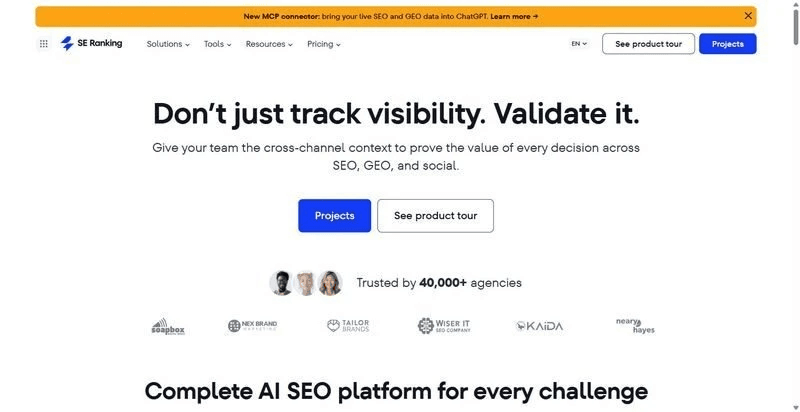
SE Ranking carries keyword research, reporting, and rank tracking for 10 to 30 client projects under one login, built for a delivery team producing consistent output.
Best for: agencies standardizing keyword research across 10 to 30 client accounts with one delivery team.
One login covers 10 projects on Core, 30 on Growth, with the same intent and SERP-feature tags on every account, so a junior and a senior produce the same research without a re-check. Report Builder schedules client-ready exports; the Agency Pack (from $69/mo annual) adds white-label reporting and client seats.
Standout feature: The seo keyword research module draws on a 5.5B keyword database across 188 country databases, classifying intent at ingest so every analyst reads the same tags. Filter by 35+ SERP features including AI Overviews, run bulk analysis up to 100 keywords per call, and pass the set to Content Editor.
Pros:
Runs 10 to 30 client projects under one login
Applies intent and SERP-feature tags the same way across every account
Produces white-label client reports through Report Builder and the Agency Pack
Cons:
Keyword data is Google-only, no Bing or Amazon coverage
Historical depth is plan-gated: Core holds 6 months
Bulk analysis is capped at 100 keywords per call
Pricing: Core $129/mo ($103.20/mo billed annually, 10 projects); Growth $279/mo (30 projects); Agency Pack from $69/mo (annual).
The ops call: The client sees one report format every month, from live data. Our verdict: for a team standardizing research across accounts, the consistent tagging and white-label output hold the error rate down. Google-only data is the trade to log.
2. Ahrefs
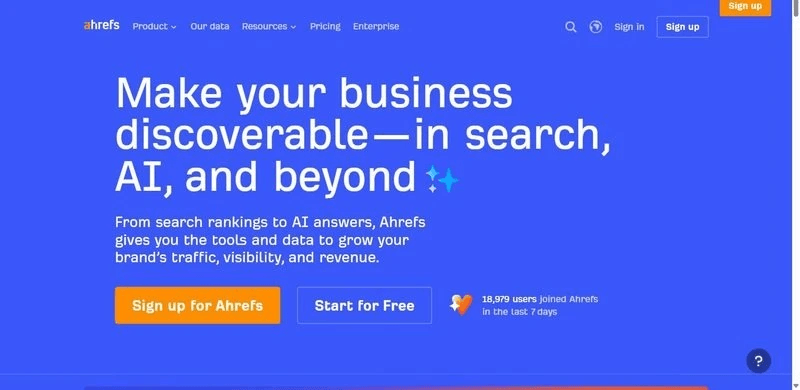
Best for: agencies standardizing net-new keyword discovery across a client book.
Standout feature: Keywords Explorer runs on one of the larger clickstream-backed databases here, so the same seed returns a comparable idea set whichever analyst runs it.
Pros:
Surfaces net-new keywords from a deep database
Adds backlink and traffic context in one workspace
Returns comparable idea sets across analysts
Cons:
Per-seat cost climbs fast across a team
Lite plan caps exports, slowing high-volume work
Pricing: Lite $129/mo; higher tiers add seats and export headroom.
The ops call: Among keyword research tools, Ahrefs is the discovery specialist, priced per seat. Our verdict: strong where net-new volume is high and seat count stays controlled.
3. Semrush
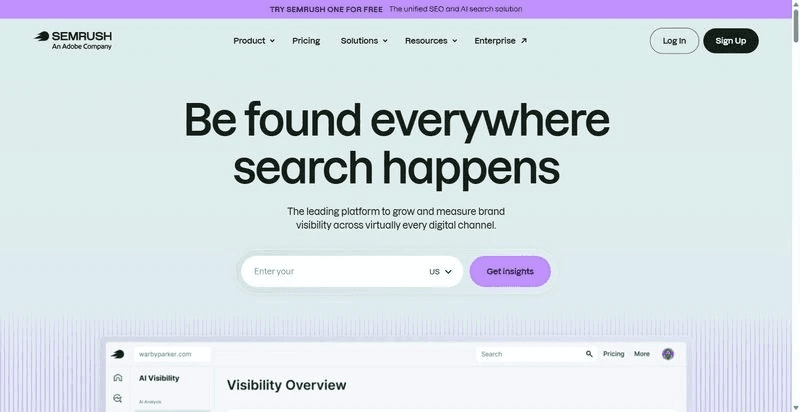
Best for: teams wanting a familiar suite new hires use without training.
Standout feature: Keyword Magic Tool runs over a very large database, with projects and position tracking in the same login, so an account moves from research to rank monitoring without a second tool.
Pros:
Research, projects, and tracking in one login
Familiar interface cuts training time
Large database for high-volume ideas
Cons:
Seat cost climbs with team size
Plan names changed in 2026; verify tiers
Pricing: from $139/mo (lineup restructured 2026, verify).
The ops call: Our verdict: a known quantity, worth real hours when you onboard often. Check current tiers against your seat count first.
4. Serpstat
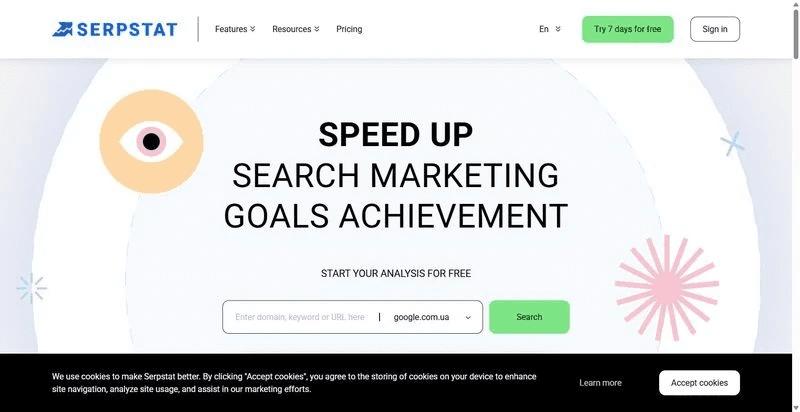
Best for: agencies running many small accounts that need consistent keyword clustering.
Standout feature: Automatic clustering groups a raw list into topic sets without an analyst sorting by hand, holding output consistent across dozens of accounts.
Pros:
Clusters keyword lists automatically for consistent output
Bundles research, clustering, and tracking at one tier
Handles many small accounts without a tool per task
Cons:
The interface drags on very large keyword lists
Public pricing looks dated (2024); confirm first
Pricing: from ~$69/mo (2024 data, verify).
The ops call: Automatic clustering removes a manual step that leaks hours. Our verdict: it fits light accounts better than heavy ones, so confirm the current price first.
5. Moz Pro
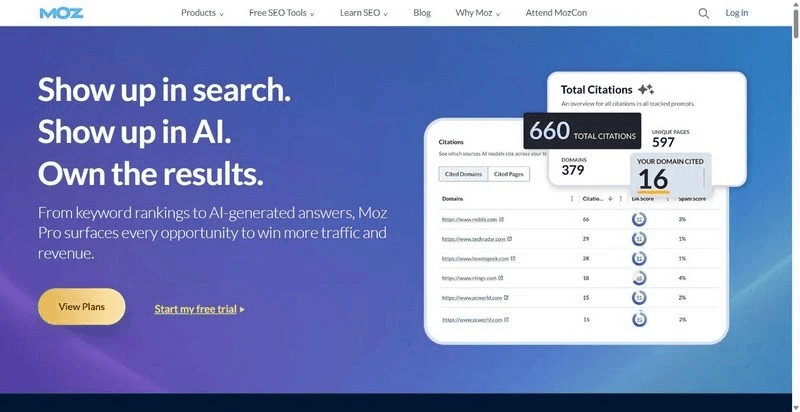
Best for: agencies standardizing entry-level research and giving clients one plain-language authority number.
Standout feature: Keyword Explorer's Priority score blends volume, difficulty, and organic CTR into one ranked number, so a junior builds a consistent shortlist in minutes.
Pros:
Produces consistent shortlists fast via one Priority score
Standardizes client conversations around Domain Authority
Keeps the QA gate simple: less senior review
Cons:
Smaller index; discovery misses long-tail terms
Covers SERP features lightly, weakening AI-era reporting
Pricing: Standard $99/mo ($79/mo billed annually).
The ops call: At roster scale, Moz Pro is the entry-level pick among keyword research tools: less rework on junior research, one number the client trusts. Our verdict: pair it with a deeper source on competitive accounts.
6. Google Search Console
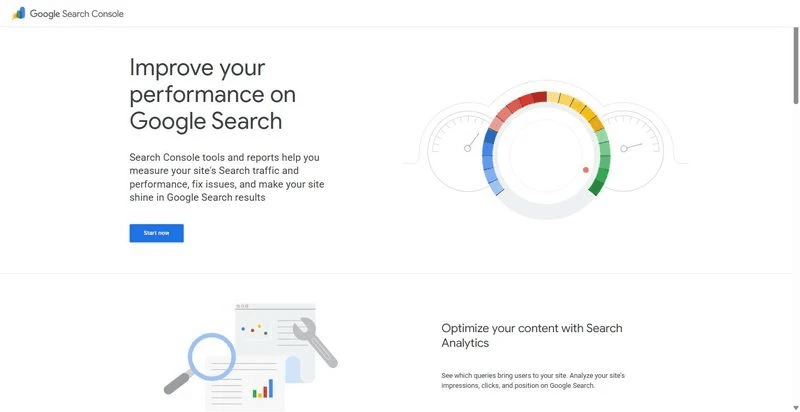
Best for: agencies that need a QA baseline every account report reconciles against.
Standout feature: Search Console reports the real queries, clicks, impressions, and average position for each verified property, the reconciliation point for every keyword claim in a client report.
Pros:
Supplies free first-party data for every property
Anchors the QA gate: exported volumes against real clicks
Feeds one source into Looker Studio
Cons:
Requires per-property setup and verification
Reports your own site only, no volume or difficulty
Pricing: Free.
The ops call: No account report ships without reconciling against GSC. Our verdict: it is the QA baseline, not the research engine, so budget the onboarding hour per client.
7. Wincher
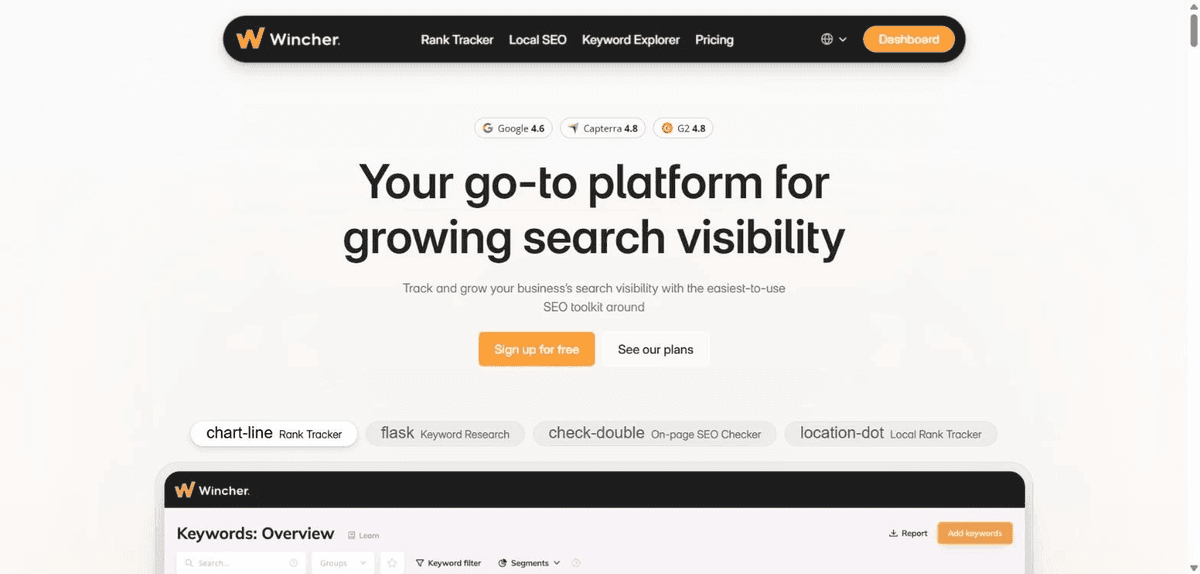
Best for: agencies monitoring a locked keyword list per client, no full research suite required.
Standout feature: Wincher does one job: track a defined set of keywords and report movement. As a keyword rank checker on a maintenance retainer, that fixed-list monitoring is all the delivery layer needs.
Pros:
Tracks a fixed keyword set per client with low overhead
Scales monitoring across many accounts without suite complexity
Adds unlimited-lookup Keyword Explorer when research is needed
Cons:
Monitors positions but does not run full keyword research
Publishes pricing from about EUR 29/mo; USD tiers not published
Pricing: from about €29/mo (USD not listed, verify).
The ops call: Wincher is the honest exception among keyword research tools. Our verdict: if a client only needs positions watched on a set list, keep it as the monitoring layer.

Author
Morgan
Morgan focuses on SEO strategies that improve search engine visibility and organic traffic. His approach includes keyword optimization, quality content, and strong backlinks to boost rankings.