Seller Apps: Best Apps for Selling Stuff Online & Locally in 2026
Turning clutter into cash has never been easier. In 2026, seller apps and apps for selling have evolved into sophisticated platforms handling everything from photography to payment processing, whether you’re offloading furniture to local buyers or shipping collectibles worldwide.
Best Shopify Themes and Apps for Your Selling App Store
If you’re planning to scale your selling efforts beyond casual sales and build a professional own store, choosing the right Shopify themes and shopify apps can make a huge difference. Shopify is one of the top platforms for creating an online selling app experience with customizable storefronts, seamless payment integration, and powerful marketing tools available through the shopify app store and shopify apps store.
Why Shopify Themes and Apps Matter
The best theme shopify and shopify store templates combine attractive design with user-friendly navigation, helping you showcase your products effectively and convert visitors into buyers. Whether you’re selling electronics, fashion, or handmade goods, there’s a variety of shopify templates and shopify store themes tailored to your niche. Themes optimized for mobile ensure your mobile app for selling stuff looks great on any device, enhancing the buyer’s experience.
Alongside themes, apps available in the Shopify App Store can enhance your store’s functionality. From inventory management to marketing automation, the right Shopify app can streamline your selling process and improve customer engagement. SaaS Marketplace, G2, and Capterra are also useful resources for discovering software beyond Shopify-specific tools.
Popular Shopify Themes and Templates for Seller Apps
Debutify: A highly customizable and conversion-focused theme, perfect for sellers wanting to maximize sales with built-in marketing features.
Brooklyn: Designed for modern apparel stores, perfect for fashion sellers using apps for selling stuff like Poshmark or Depop.
Supply: Best for stores with large catalogs, helpful if you want to integrate your selling application with multiple product lines.
Empire: Inspired by Amazon’s layout, excellent for high-volume sellers looking to scale their app selling stuff business.
Narrative: Focuses on storytelling, ideal for handmade or vintage sellers who want to share their brand story.
Explore the shopify theme store or shopify templates store to find these and other shopify stores templates that suit your business style and product range.
How to Choose the Best Shopify Theme and Apps
When selecting a shopify store app, shopify store themes, or shopify shop themes, consider:
Customization options to align with your brand identity.
Mobile responsiveness for a smooth phone app for selling stuff experience.
Speed and SEO optimization to improve visibility on search engines.
Built-in features like product filtering, quick view, and customer reviews to boost sales.
Integration capabilities with other shopify app tools to automate sales and marketing.
Integrating Shopify with Seller Apps
Many seller apps and applications to sell stuff integrate directly with Shopify, allowing you to manage inventory, orders, and customer communication from one place. Using the shopify to app integrations, you can seamlessly connect your shopify store app with popular apps shopify to enhance your selling capabilities.
This integration simplifies the approval process for new products and streamlines operations, especially if you hold a business license and run a full-fledged e-commerce operation.
By leveraging the best shopify store templates, shopify theme shop options, and integrating them with your sell application online, you can create a seamless shopping experience that builds trust and encourages repeat purchases. Whether you’re a small local seller or an established brand, the right shopify template free or premium theme helps you stand out in the crowded marketplace.
Explore Shopify’s shopify app store and shopify theme store to find the perfect combination of themes and apps, and start building your own store today.
Quick Answer: What Are the Best Seller Apps in 2026?
If you’re wondering what are the best apps to sell stuff, here’s the quick rundown of top apps you can sell things on in 2026:
Which one fits your needs? Here’s the breakdown:
- eBay delivers unmatched reach with 132 million active buyers globally
- Facebook Marketplace operates as a free selling app for local sales with zero seller fees on pickups
- Poshmark, Depop, and Vinted dominate selling fashion and vintage clothing
- Swappa ranks among the best apps for selling electronics with device verification
- OfferUp serves as a strong sell stuff locally app for furniture and bulky items
There’s no single “best” application for selling—the right choice depends on what you’re selling (electronics vs. clothes vs. furniture), how quickly you need cash, and whether you prefer local pickup or shipping.
What Is a Seller App & Why It Matters in 2026?
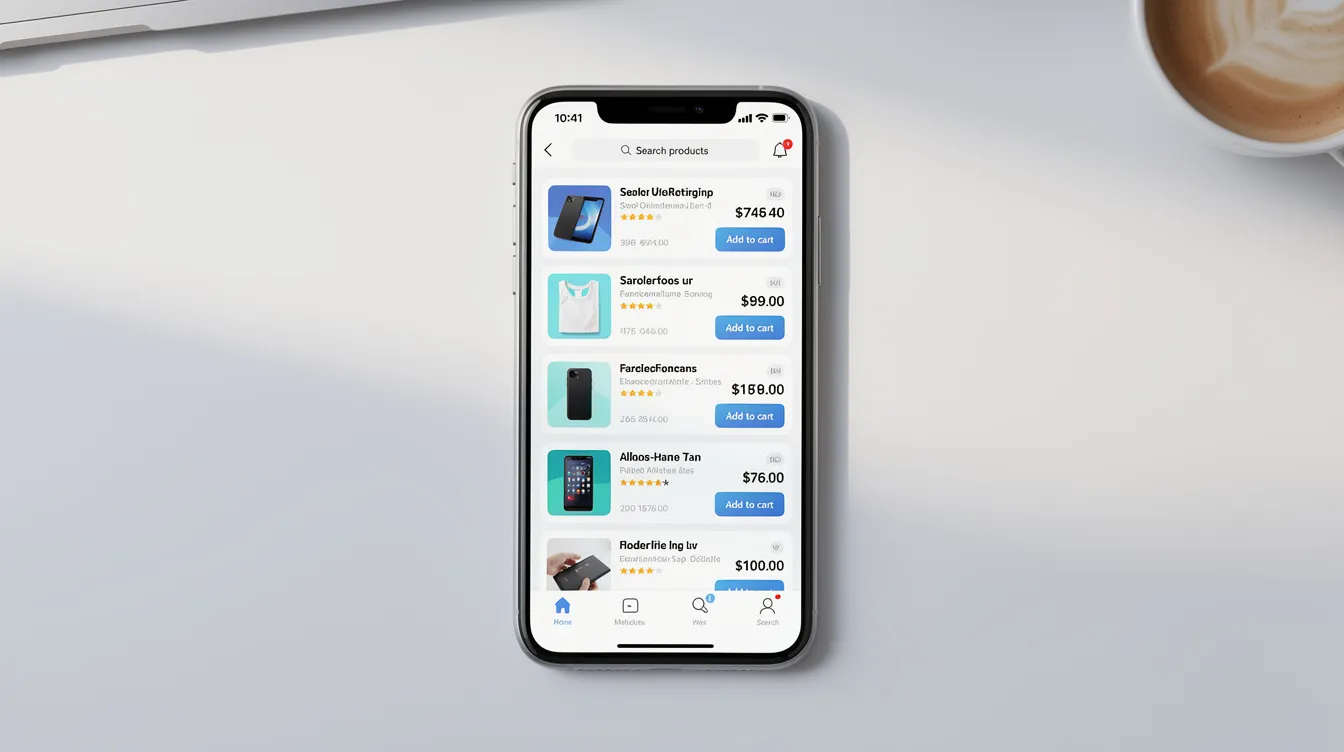
A selling app is a mobile tool—primarily iOS and Android—that lets you photograph items, set prices, negotiate with buyers, and accept payments directly from your phone. These apps for selling stuff have transformed smartphones into portable marketplaces.
Terms like selling application, application for selling, and apps that sell stuff all describe the same concept: digital marketplaces accessible through your mobile device. Modern apps for buying and selling locally and nationwide now handle:
- In app messaging for negotiations
- Secure payment processing
- Shipping labels and tracking
- Buyer and seller ratings
- Fraud detection and safety features
The best mobile app for selling stuff in 2026 typically has the right audience for your niche. Poshmark attracts fashion buyers. Swappa draws tech buyers. Facebook Marketplace connects you with local buyers seeking furniture and household goods. You can also choose a best-in-class mobile app development company to build cross-platform apps like this within an ideal budget.
Many platforms combine web and phone app for selling stuff access, but mobile usage dominates—over 75% of transactions start on phones. Some focus exclusively on local transactions (local buy and sell app, local for sale app, local marketplace app), while others operate as global online selling app options.
Comparison: Top Apps for Selling Stuff in 2026
Here’s a quick comparison of major apps to sell items on by category, fees, and best use case:
| Platform | Best For | Listing Fees | Selling Fees | Local/Shipping |
|---|---|---|---|---|
| eBay | Collectibles, Electronics | Free (up to 250/mo) | 13-15% | Both |
| Facebook Marketplace | Furniture, Local Items | Free | 0% local | Primarily Local |
| Poshmark | Fashion, Branded Clothes | Free | 20% (over $15) | Shipping |
| Depop | Gen Z Fashion, Streetwear | Free | 10% | Shipping |
| Mercari | General Household | Free | 10% | Both |
| OfferUp | Furniture, Big Items | Free | 12.9% shipped | Both |
| Swappa | Phones, Laptops, Gaming | Free | 3% (buyer pays) | Shipping |
| Etsy | Handmade, Vintage | $0.20/listing | 6.5% | Shipping |
| Reverb | Musical Instruments | Free | 5% | Shipping |
| TikTok Shop | Trendy Items, Live Sales | Free | 5% | Shipping |
Some are “generalist” good selling apps (eBay, Mercari) while others are specialist top resale apps (Swappa for phones, Reverb for guitars, Vinted for clothes). Start with 1-2 best apps for selling matching your primary inventory, then expand to more top apps for selling items as you grow.
Best Overall Apps for Selling Stuff
For beginners asking “whats a good app to sell stuff?”—these broad platforms work across many categories.
eBay
eBay remains one of the best apps for buying and selling and a default best app to sell things online due to its massive audience. With 70% of volume now through fixed-price “Buy It Now” listings, it’s evolved beyond auctions. The global marketplace of 132 million active buyers means rare items find the right buyer.
Mercari
Mercari offers a simpler alternative for selling stuff online. Built-in shipping labels, buyer protection, and zero listing fees make it approachable. You only pay the 10% transaction fees after your item sells.
Facebook Marketplace
Facebook Marketplace dominates as a local buy and sell app with no fees for local pickups. It’s the best apps sale option when shipping costs would eat your margins.
What Sells Best on These Platforms
These platforms support wide ranges: clothing, small electronics, toys, tools, and home goods—making them good apps to sell things for general decluttering.
Best Apps for Local Selling & Pickup
Apps to sell things locally offer distinct advantages:
- Zero shipping fees eating into profits
- Faster cash in hand
- Easier sales for bulky items
- No packaging hassles
When to Use Local Selling Apps
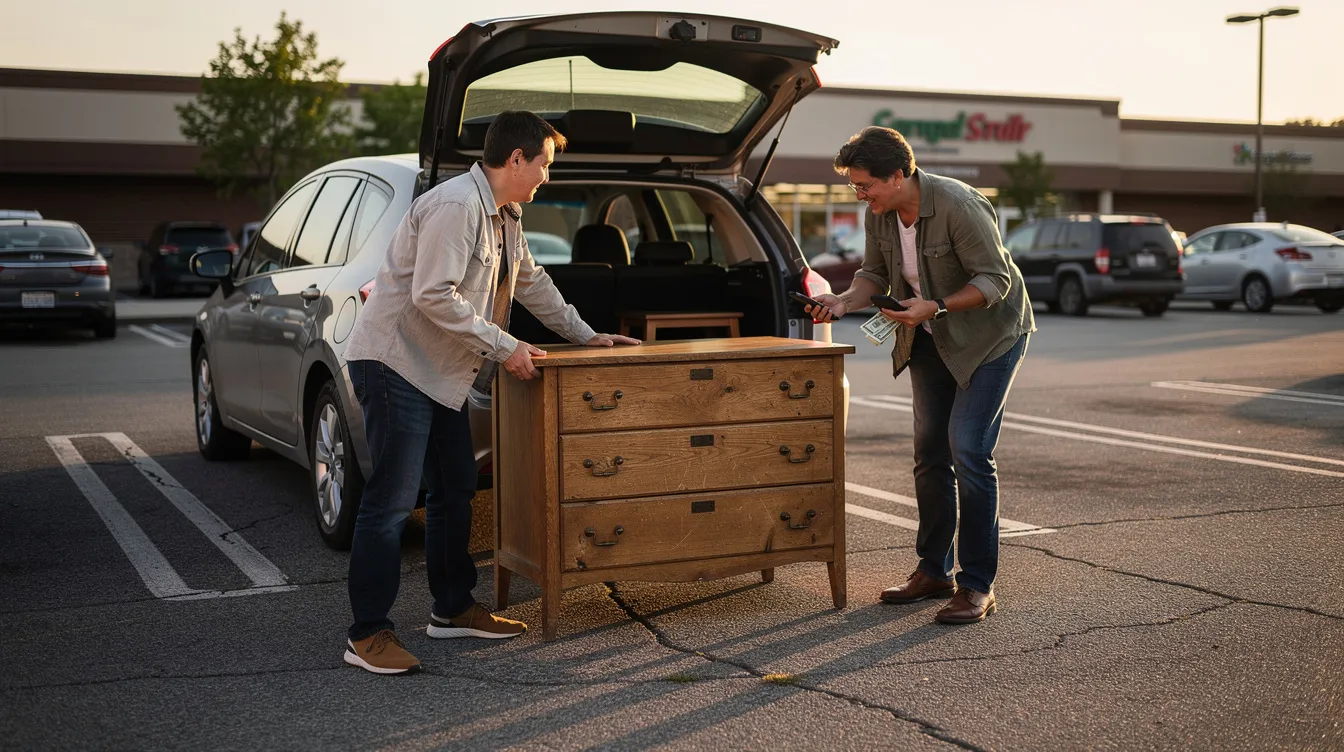
For low-margin items where shipping costs exceed 20-30% of value, a sell stuff locally app or app for selling locally makes the most sense. Furniture, gym equipment, large appliances, and building materials all fall into this category.
Top Local Selling Apps
Facebook Marketplace leads as the best local selling app with its 3 billion+ user base. OfferUp complements this as a hybrid option, starting local but scaling to nationwide shipping when needed. Craigslist remains viable via mobile, though it lacks the safety features of newer local buy and sell apps.
Safety Tips for Local Sales
For any local marketplace app or app local sales scenario, safety matters:
- Check buyer profiles and ratings
- Meet in public, well-lit locations
- Use in app messaging (creates records)
- Bring a friend for high-value items
- Accept cash deals or verified payment methods
Strategy tip: List heavy items on local for sale apps first. Only consider shipping marketplaces if they don’t sell within 5-7 days.
Best Apps for Niche Categories (Electronics, Fashion, Handmade)
Specialized apps selling used stuff attract motivated buyers willing to pay more. Here’s where niche audiences make a difference:
Electronics
Swappa and Back Market stand out as best apps for selling electronics. Swappa verifies devices pre-listing to eliminate scams, focusing on phones, laptops, and gaming gear. With no seller fees beyond payment processing fee (2.9% via PayPal), sellers achieve 95% buyer satisfaction. On generalist platforms, fakes plague 10-15% of listings—Swappa’s verification process solves this.
Fashion
Poshmark, Depop, and Vinted dominate as best apps to sell used stuff for clothing. Poshmark charges 20% on sales over $15 but offers structured “parties” and social features, driving 80% of transactions in brand name clothing among 80 million users. Depop targets Gen Z with vintage and streetwear visuals—35 million users globally with lower 10% fees. Vinted focuses on trendy clothing with zero seller fees in many markets.
Handmade & Vintage
Etsy reigns as the app for selling things online when items are unique, custom-made, or 20+ years old. Its discovery engine surfaces creator stories to 96 million buyers. Vintage items average $75 per sale versus $25 on Facebook. Sellers face 6.5% transaction fees plus payment processing, but gain purchase protection and global reach for handmade goods and craft supplies.
How to Choose the Right Selling Application
Picking the right selling app depends on several factors:
Core Considerations
- Item category (electronics, fashion, furniture, collectibles)
- Typical selling price and market value
- Local demand vs. national/international demand
- Shipping complexity and costs
- Your tolerance for seller fees and how much effort you’ll invest
Fee Trade-Offs Matter
- Low or zero-fee free selling app choices may mean more work (meeting buyers, self-photography)
- Higher-fee top rated selling apps often provide better tools, buyer protection, and trust systems that drive faster sales
What is the best app to sell stuff locally?
Weigh local demand, safety features, and convenience. Facebook Marketplace wins for most categories. OfferUp adds ratings and verified identities.
For high-value gear: A niche 2nd hand selling app or used stuff app typically beats general marketplace prices. Swappa yields higher returns on phones than eBay due to focused tech buyers.
The goal is maximum net profit and speed—not just finding the absolute best sell apps on paper.
Detailed Overviews of Top Apps You Can Sell Things On
This section provides snapshots of key apps for selling stuff online and locally. Each overview covers what items sell best, fee structure, and typical buyers.
eBay
eBay stands as one of the most established apps selling used stuff and new items, offering both auction format and fixed-price listings.
As a best buying and selling app, eBay excels for:
- Rare collectibles (trading cards, vintage items, selling collectibles)
- Refurbished electronics
- Musical instruments
- Items with international demand
Typical eBay fees range 13-15% including payment processing. Store subscriptions ($4.95-$299.95/month) help frequent sellers reduce per-item costs. The platform suits those comfortable with shipping and willing to learn listing optimization.
Key advantage: eBay’s 132 million active buyers create a global marketplace where unusual items find the right buyer faster than anywhere else.
Facebook Marketplace
Facebook Marketplace functions as a built-in local for sale app within Facebook, dominant in North America and expanding globally.
It’s the best local buy and sell app because:
- Zero fees for local transactions
- Massive reach through Facebook’s user base
- Real-name profiles reduce scam risk
- Messenger integration simplifies coordination
Strongest as an app to sell items locally for:
- Furniture and appliances
- Vehicles and parts
- Baby gear and kids’ items
- Anything where shipping costs would exceed value
AI fraud alerts (introduced in 2026) scan listings in real-time, reducing scams by an estimated 40% in high-risk regions. For casual sellers cleaning out garages, it’s the obvious starting point.
Poshmark & Depop
These fashion-first apps to sell things on specialize in clothes, shoes, accessories, and streetwear.
Poshmark
Poshmark works best for:
- Mid- to high-value fashion brands
- Women’s clothing (largest category)
- Designer items and brand name clothing
With 80 million users and structured “Posh Parties,” it drives 80% of transactions in branded apparel. The 20% fee (on sales over $15) is steep, but sellers benefit from prepaid shipping labels and seller protection. Strong choice for selling fashion.
Depop
Depop appeals to Gen Z with:
- Vintage and thrifted finds
- Streetwear and trendy clothing
- Visual, Instagram-style listings
At 10% fees, it’s more affordable than Poshmark. The platform favors trendy over everyday items—style matters here.
Mercari & OfferUp
Mercari
Mercari simplifies selling online across categories:
- Electronics, toys, home goods
- Built-in shipping labels
- Buyer protection on all transactions
- Zero listing fees (10% only when sold)
Over 20 million annual sales make it a sell things app for casual sellers seeking simplicity over eBay’s complexity.
OfferUp
OfferUp blends local and shipped items:
- Furniture, tools, outdoor equipment
- Local sales with optional nationwide shipping
- Public badges and ratings build reputation
- 50 million+ US sellers and buyers
Both function as apps to sell stuff for free in terms of listing—fees only apply post-sale. For frequent local sellers, OfferUp acts as a go-to sell my stuff apps choice with verified identities reducing no-shows by 25%.
Swappa, Etsy & Reverb
Swappa
Swappa operates as a curated used stuff app and sell used items app for:
- Phones (largest category)
- Laptops and tablets
- Gaming devices and consoles
Listing verification eliminates scams. No seller fees—buyers pay a small premium. 95% buyer satisfaction makes it the premier marketplace for refurbished electronics.
Etsy
Etsy shines as the app sell your stuff platform for:
- Handmade goods and craft supplies
- Vintage items (20+ years old)
- Custom/personalized products
The 6.5% transaction fees plus $0.20 listing fees are offset by premium prices—handmade goods on Etsy earn 2x what they’d fetch on generalists.
Reverb
Reverb specializes in:
- Musical instruments
- Audio equipment
- DJ gear and recording tools
At 5% fees, it’s musician-friendly. Authentication services protect against counterfeits on high-value instruments.
TikTok Shop & Live-Selling Platforms
TikTok Shop blurs content and commerce, operating as a modern buy sell local app and national selling channel driven by video.
Live selling features move items within minutes. Video-driven sales convert 30% faster among TikTok’s 1.5 billion users. This makes it one of the most popular apps for selling stuff to younger audiences.
Best For
- Fashion and accessories
- Beauty products
- Trending gadgets
- Anything photogenic
These platforms pair well with more traditional listings by funneling social traffic to your other apps for selling your stuff.
Local vs Online: When to Use Each Type of App
The difference between apps for selling stuff online (shipping-based) and apps to sell things locally (pickup) comes down to item size, value, and margin.
When to Choose Local
- Furniture and large appliances
- Bikes, sporting equipment
- Building materials and tools
- Low-value items where shipping exceeds 20% of price
- Items you need gone quickly for cash deals
When to Choose Online
- Small, high-value items (phones, tablets, jewelry)
- Collectibles with national demand
- Branded apparel where more buyers means better prices
- Shipped items with standardized shipping options
Some apps that i can sell stuff on let you choose both local pickup and shipping per listing—Mercari and OfferUp both support this flexibility.
Recommended approach: Test both. Start with local listings for bulky items. Use online listings for compact, popular products. Cross-post on multiple platforms and remove listings immediately when items sell to avoid double selling.
Maximizing Profit on Best Apps to Sell Stuff
Once you’ve chosen your platforms, these pricing strategies maximize returns:
Research Before Pricing
- Check “sold” listings on eBay to see actual market value (not asking prices)
- Typical undercutting runs 20-50% below optimistic listings
- Factor in all fees to calculate true profit margins
Optimize Listings
- Use 7-10 clear photos (boosts views by 40%)
- Honest condition descriptions build ratings
- Clear defect photos prevent disputes
- Short, keyword-rich titles help search
Stay Visible
- Use promotions and renewal options on top app to sell stuff platforms
- Share listings on Poshmark to stay in feeds
- Respond quickly to maintain good seller scores
Track Performance
- Track which best apps to sell things deliver highest net profit after fees and shipping
- A $100 phone might net $82 on Mercari (10% + shipping) versus $90 local on Facebook
- Occasionally test new top rated selling apps as markets shift

Used, Second-Hand & Resale: Selling Pre-Owned Items
The global second-hand market hits $350 billion by 2026, with app-based resale comprising 45%. Finding the right 2nd hand selling app is crucial for sustainable resale.
Best Platforms by Category
Phones/laptops: Swappa (verification, fair prices)
Clothing: Vinted, Depop, Poshmark
Furniture: Facebook Marketplace, OfferUp
Electronics: Back Market, Swappa
Mixed lots: eBay (auction format for collections)
Success Factors
Accurate condition grading
Brand recognition
Recency (newer models command premiums)
Complete accessories (original boxes, chargers)
Strong titles, clear defect photos, and honest grading build reviews over time. Consistent quality transforms you into a trusted seller—reviews compound. Track which used stuff for sale app channels deliver better outcomes for different item types. Many buy and sell apps online function as both buying apps and selling platforms. Sellers listing across several of these apps at once often rely on an enterprise catalog system to keep photos, prices, and descriptions consistent everywhere a listing appears.
Buying and Selling Apps: Two-Way Marketplaces
Many buy and sell apps online function as both buying apps and selling platforms. This dual-use creates opportunities:
Flipping Strategies
- Buy underpriced furniture on Facebook, resell at market value
- Purchase off-season clothing on Poshmark, sell when trending
- Find mispriced electronics on OfferUp, list on Swappa
Understanding buyer intent—what buyers search for, how they filter—improves your selling. Spend time browsing as a buyer to understand what listings stand out.
Budget Discipline
- Set separate budgets in your favorite best buying selling app
- It’s easy for sales revenue to immediately fund impulse purchases
Some buy sale trade apps encourage trade or barter. If you’re looking to swap items rather than cash out, platforms like OfferUp support direct trades between users.
Free vs Paid: Are Free Selling Apps Enough?
Truly free apps for selling stuff (zero listing or selling fees) primarily focus on local transactions:
| Platform | Listing Fee | Selling Fee | Best For |
|---|---|---|---|
| Facebook Marketplace (local) | Free | 0% | Furniture, big items |
| Craigslist | Free | 0% | Everything local |
| Vinted (some regions) | Free | 0% | Clothing |
Fee-Based Platform Advantages
- Buyer protection reducing disputes
- Shipping label integration
- Wider reach to more buyers
- Verification systems for new sellers
A free selling app like Facebook Marketplace suits casual sellers cleaning out homes, especially for low-value items. But as annual sales volume grows, paying fees on top selling apps often enables higher prices, faster turnover, and fewer disputes.
Recommendation: Experiment with both free and paid sell my stuff apps. Calculate net profit (sale price minus fees minus shipping costs minus your time) to see which delivers better returns.
Advanced Strategies: Cross-Listing & Multi-App Selling
Cross-listing—posting the same item on several apps you can sell things on—accelerates sales through broader reach.
Benefits
- Discover which audience responds best to each product
- Reduce time-to-sale on slow-moving items
- Test pricing strategies across platforms
Risks to Manage
- Double selling (item sells on two platforms simultaneously)
- Inventory tracking across multiple apps
- Different photo requirements and description styles
Practical Approach
- Start with 2-3 best apps for selling stuff matching your inventory
- Track performance (views, messages, sales) per platform
- Add or remove platforms based on results
- Manually end listings immediately when items sell
For high-volume sellers, cross-listing tools automate posting across other platforms. But even casual sellers benefit from listing furniture on both Facebook and OfferUp, or clothing on both Poshmark and Depop.
Regularly audit accounts on various apps that sell used items to keep inventory accurate. Nothing damages ratings faster than confirming a sale for something already sold elsewhere.
FAQ: Common Questions About Seller Apps
1. What is the best app to sell used items?
It depends on category:
- Electronics: Swappa (verified devices, no seller fees)
- Clothing: Poshmark, Depop, or Vinted (fashion-focused buyers)
- Furniture: Facebook Marketplace or OfferUp (local pickup)
- Mixed items: eBay (largest audience, auction options)
2. What is the best app to sell stuff locally?
Facebook Marketplace leads for most categories due to zero fees and massive reach. OfferUp adds verified identities and ratings. Both work as local buy and sell apps with safety features like public meetup suggestions.
3. What is the best app for selling things?
No single app wins universally. Match item type, effort level, and target audience to the right app. Fashion sellers thrive on Poshmark. Electronics sellers prefer Swappa. General declutterers start with Facebook + Mercari.
4. Whats a good app to sell stuff?
For beginners: Facebook Marketplace (free, local, huge audience) plus one general online selling app (eBay or Mercari) plus one niche app if you have specialty inventory. This combination covers local buyers, national reach, and specialized platforms.
5. What are the best apps to sell stuff? / Most popular apps for selling stuff?
By user base in 2026:
- Facebook Marketplace (largest local reach)
- eBay (largest global reach)
- Poshmark (fashion leader)
- Mercari (general simplicity)
- OfferUp (local + shipping hybrid)
65% of US sellers have used at least one of these in the past year.
Getting Started: List Your First Item Today
Stop researching. Start selling.
Pick one app to sell your stuff and list a single item within the next 24 hours. Choose something simple and in-demand:
- A spare phone or tablet
- A branded hoodie or jacket
- A small appliance you never use
- A video game or console
Download the app. Snap 5-7 photos in good lighting. Write an honest description. Price it 10-15% below similar sold listings. Post it.
Progress comes from action, not endless comparison. Any good app to sell stuff beats none if it gets you started.
After a few sales, revisit this guide to optimize which platforms you keep using. Most sellers find success mixing one local-focused platform with one or two national options—covering both local buying opportunities and wider shipped items reach.
The right combination of best apps for selling stuff, clear photos, honest listings, and fair pricing transforms unused items into steady extra income. Your first sale teaches more than any guide ever could.

Author
Debutify
Debutify is the easiest way to launch and scale your eCommerce brand.