Best websites Like Etsy for Handmade & Vintage Products
Key Points:
- Etsy fees and competition are rising, making it harder for sellers to maintain profits and stand out among thousands of shops.
- Many creators are exploring alternatives across many platforms that offer lower fees, more control, or access to niche audiences for handmade and vintage products.
- Different platforms suit different goals, from high-traffic marketplaces like Amazon Handmade and eBay to fully branded stores on Shopify with Debutify.
- Opportunities beyond Etsy are growing, giving sellers more options to build their business the way they envision it.
If you’re a creative entrepreneur or artisan looking to sell handmade or vintage products, Etsy is often the first platform that comes to mind. But what if you want more control, lower fees, or greater customization? The online world is full of alternatives, and this guide will help you discover the best Etsy alternatives and top alternatives for handmade and vintage sellers looking to expand their online business presence.
Rising fees, endless competition, and the challenge of standing out—many Etsy sellers are feeling the squeeze. Luckily, the online world is full of alternatives that give creators more freedom, lower costs, and access to buyers who truly appreciate handmade or vintage treasures.
From marketplaces with massive traffic like Amazon Handmade and eBay to tools that let you build a fully branded shop on Shopify with Debutify, there are options for every type of seller. If you’re ready to reclaim control over your business and grow beyond Etsy, it’s time to explore the platforms that can make your shop thrive.
Why Sellers Start Looking for Sites Like Etsy

Etsy’s fees aren’t outrageous on their own, but when you add up etsy charges—like listing fees, transaction fees, and payment processing fees—they can significantly reduce your earnings as a seller. For many small business owners, these costs add up quickly and eat into profits, making it harder to grow.
The Fee Stack Is Getting Heavy
Etsy’s fees aren’t outrageous on their own, but once you add listing charges, transaction percentages, payment fees, optional advertising, and renewal costs, your profit margin shrinks faster than expected. Many creators eventually reach a point where they wonder whether the platform is helping them grow—or quietly holding them back.
Competition Makes Visibility Tough
Etsy’s audience is huge, which sounds amazing at first. But that also means hundreds of thousands of shops are trying to reach the same buyers. Even high-quality products can get buried under pages of similar listings. The fight for visibility often ends up taking more energy than the creative work itself.
What Makes a Good Etsy Alternative?
Choosing the right place to sell your work depends on your goals, but most successful platforms share a few things in common:
Lower or Clearer Fees
Sometimes it’s not even about paying less—it’s about knowing exactly what you’ll owe without five layers of fine print.
A Built-In Base of Interested Buyers
Traffic matters. A niche audience is even better. Some platforms attract buyers specifically looking for handmade items and physical products, as well as those interested in vintage collectibles, or artisan craftsmanship.
Flexibility to Build a Real Brand
A storefront that feels like you—your colors, your layout, your voice—can make a dramatic difference in how buyers connect with your products. Having your own store also allows you to generate and control your own traffic, rather than relying solely on the platform’s audience. This is where Shopify and themes like Debutify shine.
Keep in mind that some platforms may have limited customization options, which can affect how much you can tailor your store.
The Best Sites for Handmade & Vintage Sellers
Below are some of the most reliable and seller-friendly options for turning your craft or collection into a thriving online business. Other sites also serve as viable options for sellers looking to expand beyond Etsy.
1. Shopify – The Best Choice for Sellers Who Want Full Control
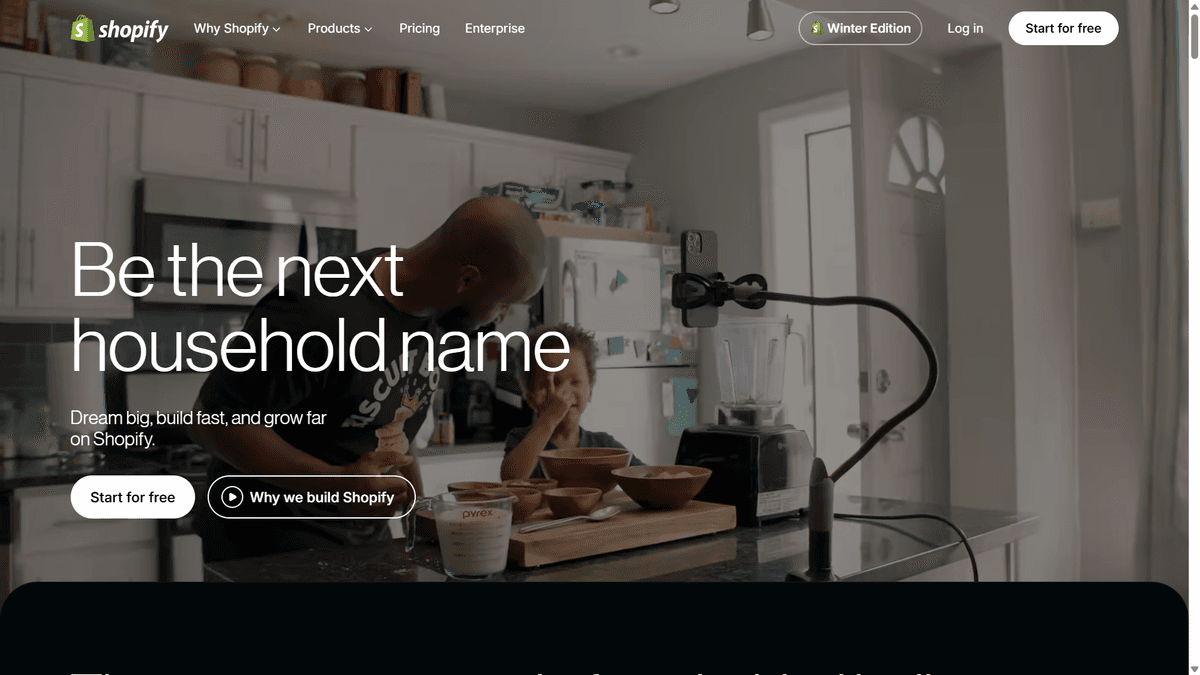
If you’ve ever wished Etsy gave you more freedom, Shopify is probably the answer you were looking for. Instead of sharing a marketplace with thousands of competitors, you run your own website—your branding, your layout, your rules. Shopify also offers a free plan for new sellers, allowing you to get started at no cost with limited features, making it easier for beginners or hobbyists to try selling online.
Why Handmade Sellers Love Shopify
You’re not limited to preset templates or marketplace restrictions. You control the experience from homepage to checkout, which makes your shop feel more trustworthy and polished. You can build something that grows with your vision instead of being boxed into a rigid format.
How Debutify Makes Shopify Even Better
One of the fastest ways to set up a clean, high-converting Shopify store is by using the Debutify theme. It gives handmade sellers a sleek, modern shop without hiring a designer. Pages load quickly, product displays look professional, and built-in conversion boosters help turn browsers into buyers. It’s an easy way to make your small shop look like a brand customers can rely on.
2. Amazon Handmade – Perfect If You Want Massive Reach
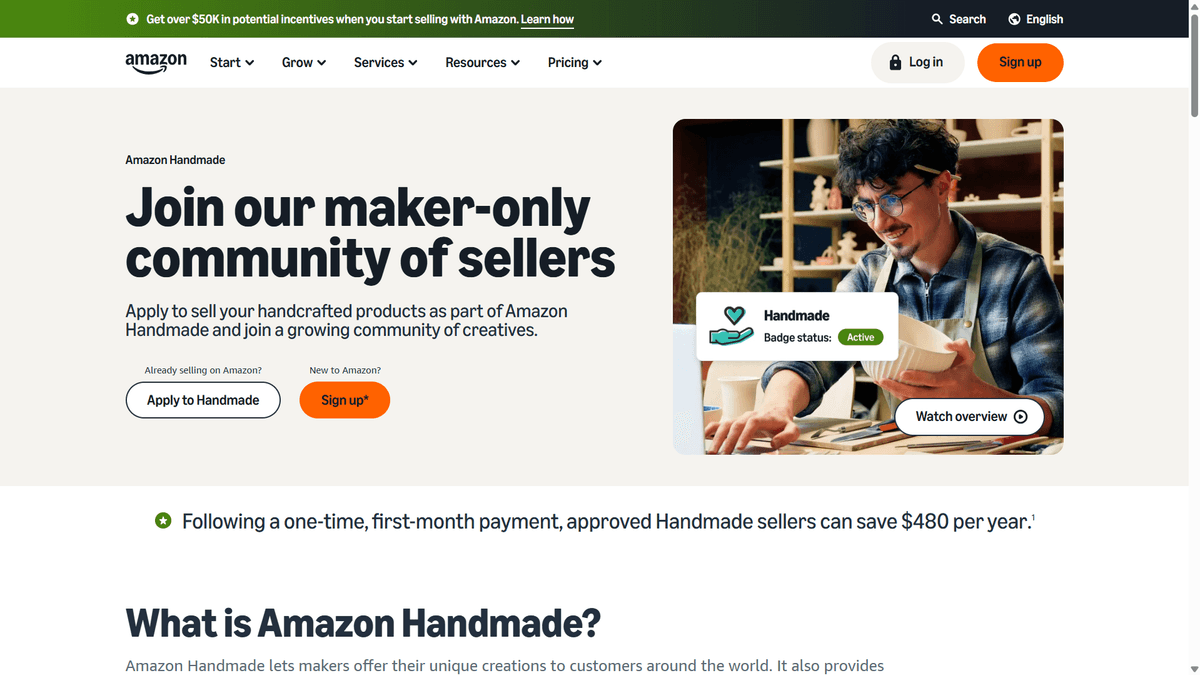
Amazon Handmade puts your products in front of a gigantic global audience. Amazon Handmade sellers are artisans who create and sell unique, handcrafted products on the platform. It’s a completely different ecosystem from Etsy—more structured, more controlled—but the buyer reach is unmatched. Unlike marketplaces that allow mass produced products, Amazon Handmade is exclusive to handmade items, ensuring authenticity and artisanal quality.
What Sellers Appreciate
Exposure to millions of shoppers
Zero listing fees
Prime delivery options on eligible products
What to Consider
There’s an approval process, and the fee percentage is higher than some platforms. But for artisans who want serious visibility, it’s a strong contender.
3. eBay – A Strong Match for Vintage, Collectibles, and One-of-a-Kind Pieces
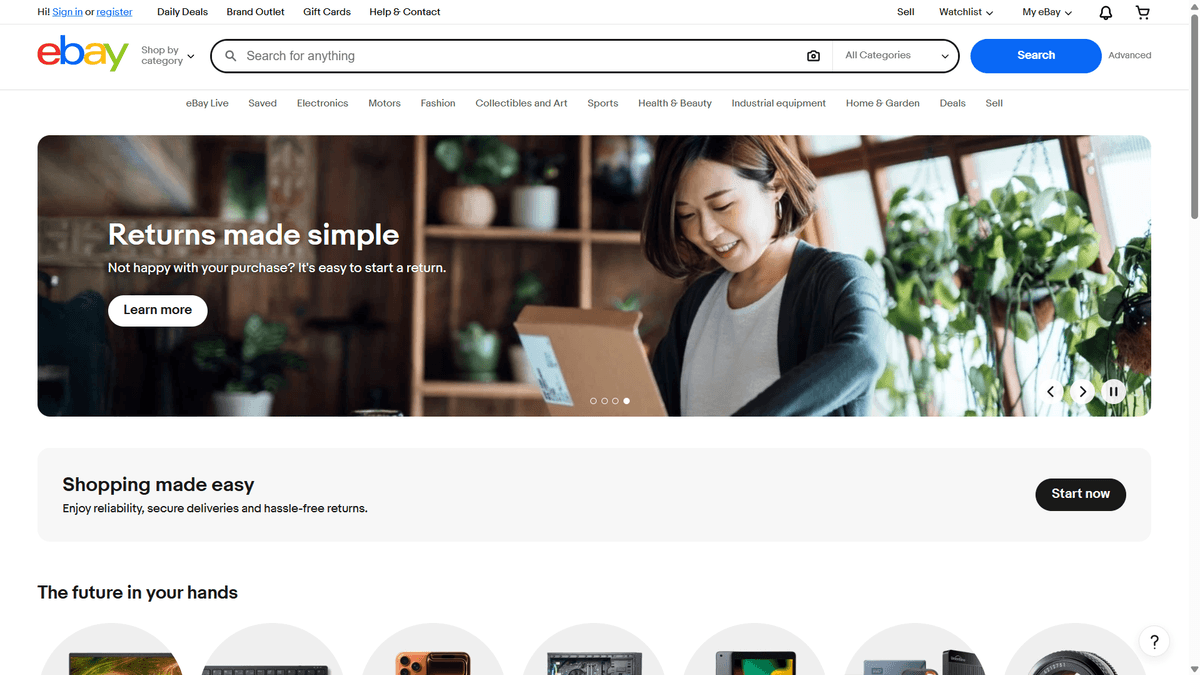
If your niche leans heavily toward vintage finds, antique décor, rare objects, or unique thrifted gems, eBay has the right kind of audience. Buyers who shop here are often hunting for items they can’t find anywhere else. To get inspiration for what sells well, browse eBay's top sellers to see which products are currently popular and in demand.
Why eBay Works Surprisingly Well
Auction-style selling encourages higher bids
Collectors trust the platform
Flexible listing options
It’s a great pick for sellers with rare or limited-quantity items. And with the right multichannel eBay selling manager, you'll be able to list your inventory on both eBay and Etsy simultaneously, allowing you to test the waters before making the switch.
4. Debutify – Not a Marketplace, But a Game-Changing Asset for Shopify Sellers

Debutify deserves its own spotlight because it levels the playing field for handmade shops that want to build a branded storefront. Instead of paying for multiple apps or hiring a developer, Debutify streamlines everything—design, conversion features, trust badges, product displays, and more.
What Makes Debutify Valuable
It gives your store a polished, cohesive look
Helps customers navigate more comfortably
Adds features that boost sales without complicated setups
For creators ready to grow beyond Etsy, Debutify makes the transition smoother and more professional.
5. Bonanza – A Seller-Friendly Marketplace With Low Fees
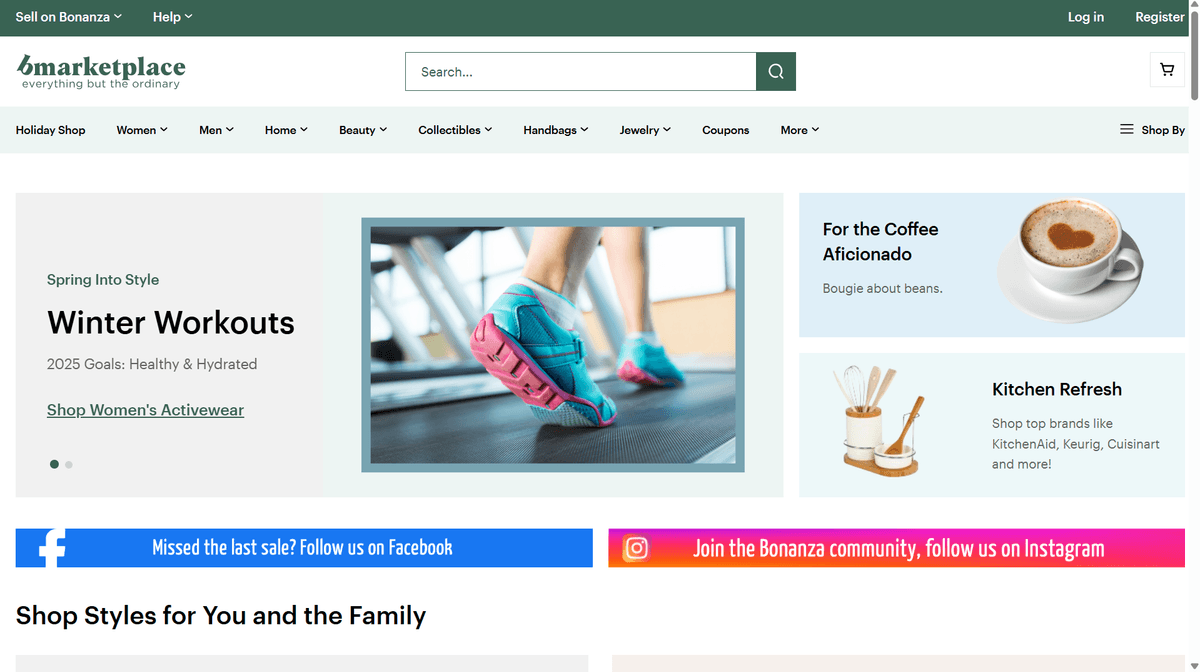
Bonanza doesn’t get as much attention as Etsy, but sellers who discover it often stick around. The listing process is simple, and fees stay refreshingly low. However, Bonanza offers limited customization compared to other platforms, which may restrict how much sellers can tailor their store.
What Sellers Like About Bonanza
Transparent pricing
Easy import tools for Etsy or eBay listings
A marketplace that attracts buyers looking for handmade or niche finds
It’s a lighter, less chaotic alternative to Etsy’s crowded landscape.
6. Folksy – A Home for the UK Handmade Community
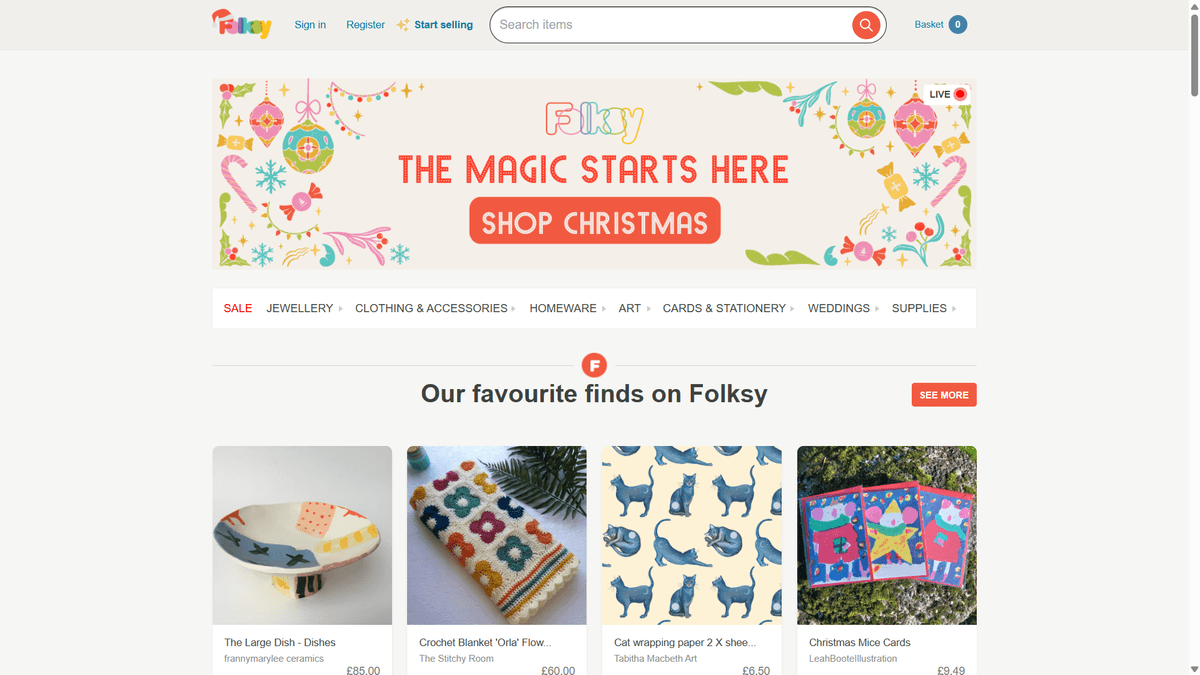
If you’re based in the UK, Folksy is worth exploring. It caters specifically to British makers and attracts buyers who want authentic, artisan-made goods from local creators. Folksy is designed for creators who want to sell handmade and sell handmade items to a UK audience.
Why Folksy Works
A creative, supportive community
Buyers who appreciate handmade craftsmanship
A niche platform that doesn’t feel overwhelming
7. Ruby Lane – Ideal for Vintage, Antiques & Art
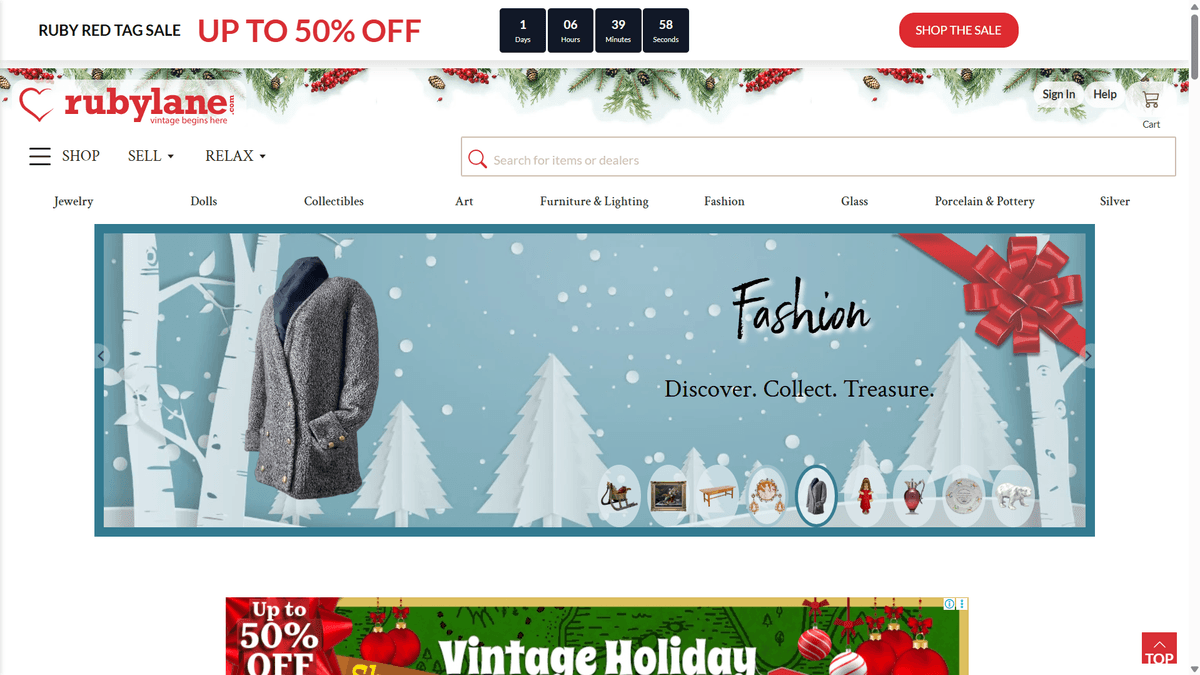
Ruby Lane has a reputation for high-quality vintage and antique items. Buyers here are serious about finding authentic pieces.
Why Vintage Sellers Choose Ruby Lane
A curated, enthusiast-driven audience
Strong credibility in the antique world
Higher selling price potential
If your items are rare or collectible, Ruby Lane is a strong alternative to Etsy.
Selling Digital Products and Downloads on Etsy Alternatives
For handmade sellers looking to diversify their income and reach more potential customers, selling digital products and downloads is a smart move. As Etsy’s fees and marketplace restrictions continue to rise, many sellers are leaving Etsy in search of platforms that offer more freedom, lower fees, and complete control over their online store. Fortunately, there are several Etsy alternatives designed specifically for selling digital items—whether you’re offering printable wall art, digital download products, or other digital goods.
Unlike Etsy, which limits customization and charges a stack of transaction fees, other platforms give you the flexibility to design your store, manage product categories, and own your customer data. This is especially important for digital creators who want to build a brand and connect directly with their audience.
When choosing the best platform for selling digital products, consider factors like monthly subscription fees, payment processing, and how much control you have over your store design. Some platforms, like Amazon Handmade, focus more on physical handmade goods and may not be ideal for digital downloads. Others, such as Big Cartel, offer lower fees and more freedom for small business owners who want to sell digital items without upfront costs.
Here are some of the top Etsy alternatives for selling digital products and downloads:
- Sellfy: Designed specifically for digital products, Sellfy makes it easy to sell digital downloads, print on demand items, and subscriptions. Features like instant file delivery and simple store setup help handmade sellers launch quickly and manage sales with minimal hassle.
- SendOwl: Perfect for selling digital downloads, SendOwl offers secure file hosting, automated delivery, and customer management tools. It’s a great choice for sellers who want to offer high quality products and maintain full control over their digital goods.
- Gumroad: Gumroad is a user-friendly platform that lets you sell digital items such as ebooks, music, software, and more. With flexible pricing, discount codes, and analytics, it’s ideal for creators who want to reach niche audiences and experiment with different product categories.
- Easy Digital Downloads: If you have a WordPress site, this plugin transforms your website into a powerful ecommerce platform for digital products. You get complete control over your store design, customer data, and payment processing—unlike Etsy, where customization is limited.
Other platforms like Shopify and WooCommerce also support selling digital products, giving you even more options to tailor your online store as your business expands. Meanwhile, sites like Ruby Lane and Bonanza remain great alternatives for vintage items and collectible goods, but may not be as focused on digital downloads.
Ultimately, the best Etsy alternative for selling digital products depends on your target audience, business goals, and the level of control you want over your shop. By exploring different platforms, you can find the right fit to sell digital goods, reduce costs, and build a thriving online store that showcases your unique handmade creations—without the limitations and rising fees of Etsy.
How to Choose the Right Etsy Alternative
Before jumping in, think about what your business needs most.
Ask Yourself:
- Do you want full creative control? → Shopify + Debutify
- Do you want big marketplace traffic? → Amazon Handmade or eBay
- Do you sell mostly vintage? → eBay or Ruby Lane
- Are you UK-based? → Folksy
There’s no single “best” platform—it all comes down to the kind of shop you want to build and the audience you hope to reach.
FAQs
1. What is the best site like Etsy for handmade sellers?
Shopify is the top choice if you want full control, branding freedom, and long-term growth.
2. Where else can I sell vintage items online?
eBay and Ruby Lane are excellent platforms for vintage and collectible items.
3. Does Amazon Handmade work better than Etsy?
Amazon Handmade offers much wider reach, but it comes with stricter requirements.
4. Which marketplace has lower fees than Etsy?
Bonanza is one of the most affordable options for handmade sellers.
5. How can I create a unique brand outside Etsy?
Build your store on Shopify and use a theme like Debutify to design a cohesive, professional shop.
The world is full of opportunities for handmade and vintage sellers, and Etsy is just one piece of the puzzle. Whether you choose a marketplace with built-in traffic or decide to run your own branded storefront, each option opens the door to new customers and better control over your business. With tools like Shopify and Debutify, it’s easier than ever to shape your own path and create a shop that truly reflects your work.

Author
Debutify
Debutify is the easiest way to launch and scale your eCommerce brand.