Websites Just Like eBay: 50+ Global Alternatives for Buying & Selling in 2026
If you’re searching for websites just like ebay, you’re in luck. The online marketplace landscape in 2026 includes dozens of platforms where you can buy and sell everything from vintage clothing to refurbished electronics. In this article, we’ll cover the most popular ebay alternatives and highlight the top ebay alternatives, so you can find the leading options for your needs. Whether eBay’s fees feel too steep, you want access to a different audience, or you simply need a backup plan, there are plenty of ebay like sites ready to serve your needs.
This guide is designed for online sellers and buyers looking for alternatives to eBay, whether you’re a casual declutterer, a small business, or a niche collector.
Here’s a quick rundown of major similar website to ebay options available globally: Amazon (the largest competitor of ebay for fixed-price retail), Etsy (handmade and vintage goods), Mercari (mobile-first casual selling), Facebook Marketplace (local and shipped items), Bonanza (seller-friendly fees), AliExpress and Alibaba (cross-border sourcing), Rakuten (Japan’s full-service marketplace), Mercado Libre (Latin America’s dominant player), Gumtree (UK and Australia classifieds), and Vinted (European fashion resale). These represent some of the sites similar to ebay for selling and buying across multiple categories. With so many choices, you can find just what you need, whether you’re searching for a niche collectible or a mainstream product.
There are numerous eBay alternatives globally, each offering unique features, such as Craigslist and Bonanza in the U.S., Kijiji in Canada, MercadoLibre in Latin America, Rakuten and Yahoo! Auctions in Japan, and Allegro in Poland.
Some of these ebay type sites emphasize auctions, while others function primarily as fixed-price online stores similar to ebay. A handful are considered sites better than ebay for specific niches—Etsy for handmade crafts, Swappa for electronics, or Vinted for secondhand fashion. The truth is, what websites are similar to ebay depends heavily on what you’re selling and where your buyers live.
This guide focuses on practical selling and buying use cases in 2026, not just lists of ebay related sites. You’ll find fee comparisons, regional breakdowns, and category-specific recommendations to help you decide which sites like ebay and amazon deserve your attention.
This guide focuses on practical selling and buying use cases in 2026, not just lists of ebay related sites. You’ll find fee comparisons, regional breakdowns, and category-specific recommendations to help you decide which sites like ebay and amazon deserve your attention, making it a useful digital booklet for buyers and sellers exploring online marketplaces. Amazon, as a leading ecommerce platform, stands out for its extensive reach and robust fulfillment services.
Global Overview of eBay-Like Marketplaces
Online marketplaces have evolved dramatically since eBay launched as an auction platform for Pez dispensers in 1995. Today, a modern web site like ebay typically combines multiple selling formats—auctions, fixed price listings, classifieds, and hybrid negotiation systems—under one roof.
Understanding these models helps you find the right fit:
- Auctions (time-bound bidding, classic eBay style)
- Fixed-price (instant buy, Amazon-style)
- Classifieds (local peer-to-peer, Craigslist or Gumtree style)
- Hybrid (offers, negotiations, or “Buy It Now” plus bidding)
Each model creates a different experience. Pure auction ebay like websites attract bargain hunters and collectors who enjoy the chase. Fixed-price pages like ebay appeal to convenience-focused shoppers who want predictable transactions. Classifieds and web pages like ebay like Facebook Marketplace favor local transactions where shipping costs would kill the deal.
Global megaplatforms—Amazon, AliExpress, Rakuten—function as similar ebay websites and sites like amazon ebay for both buyers and sellers, though each has a distinct fee structure and audience. Amazon emphasizes Prime shipping and brand control. AliExpress caters to budget-conscious international buyers. Rakuten integrates loyalty points and financial services. Many of these marketplaces also allow integration with other platforms, making it easier for sellers to import listings and manage inventory across multiple sites.
Regional dominance matters too. Many countries have at least one major local competitor of ebay that outperforms eBay in traffic, trust, and logistics. Unlike eBay, some regional marketplaces offer features specifically tailored to local needs, such as country-specific payment methods or delivery options. The best alternative ebay for you often depends on where you live and where your customers shop.

Leveraging Shopify Themes for Your Online Store Success
For sellers exploring websites just like ebay, building your own online store can be a powerful complement to marketplace selling. Shopify stands out as a leading ecommerce platform and AI Ecommerce Software that empowers entrepreneurs to create professional, scalable stores with ease. Choosing the right Shopify themes is crucial to establish a strong brand identity, attract customers, and drive marketplace sales beyond third-party platforms.
The best Shopify themes combine user-friendly design, mobile responsiveness, and customization options, helping sellers showcase their products effectively. Whether you sell fashion, electronics, or handmade goods, themes like Debutify, Impulse, and Turbo offer versatile layouts that cater to diverse inventory needs. These themes support seamless integration with marketplaces such as Amazon and eBay, enabling multi-channel selling strategies.
In addition to themes, Shopify offers a wide range of Shopify apps that enhance functionality, including tools for SEO optimization, customer reviews, and inventory management. Popular searches like best Shopify themes 2026, free Shopify themes, and Shopify theme customization reflect the growing demand for tailored ecommerce experiences. Sellers also look for fast Shopify themes and mobile-friendly Shopify themes to improve loading times and user experience on all devices.
By leveraging Shopify’s extensive theme ecosystem and powerful apps, sellers can create a unique online presence that stands out from ebay like websites competitors. A well-designed Shopify store enhances customer trust, encourages repeat purchases, and supports secure transactions with built-in SSL and payment gateways. For businesses seeking to diversify sales channels, combining Shopify’s branded storefront with selling websites other than ebay offers a balanced approach to growth in 2026’s competitive ecommerce landscape.
Top 8 International Sites That Are Like eBay
This section spotlights eight leading sites that are like ebay used worldwide in 2026. Each platform serves a different niche—general retail, handmade goods, fashion, cross-border trade—so your ideal choice depends on your inventory.
To help you compare your options, this section will highlight the key features of each eBay alternative, such as fee structures, niche categories, user-friendliness, and regional specializations.
Every platform summarized here qualifies as a similar site to ebay or similar website like ebay, but with its own fee structure, audience demographics, and selling tools. When people ask what website is similar to ebay or wonder is there a better alternative to ebay, these eight names consistently appear.
As you read, note which platform aligns with your products and whether you need an alternative to ebay for selling internationally or locally.
Amazon – The Biggest Global Rival
Amazon stands as eBay’s largest global rival and typically the first answer when people ask what site is like ebay or research ebay’s competitors. Amazon is considered eBay’s largest competitor globally, offering a vast selection of products and a robust fulfillment network that appeals to both buyers and sellers. With over 300 million active users and Fulfillment by Amazon (FBA) handling more than 2 billion annual orders, it operates on a scale few platforms can match.
Unlike eBay’s auction roots, Amazon emphasizes fixed price listings and rapid fulfillment, making it a selling website like ebay but far more controlled and brand-centric. FBA allows sellers to ship inventory to Amazon warehouses, where the company handles storage, packing, and delivery. This convenience comes at a cost: Amazon charges a referral fee, which is a percentage-based commission on each sale that typically ranges from 8% to 15% depending on the product category, plus a $0.99 per item fee for individual sellers. The referral fee is calculated as a percentage of the total sale price, including shipping but excluding taxes.
For high-volume sellers, Amazon often qualifies as one of the main sites like amazon ebay and sometimes a site better than ebay for moving large quantities quickly. Its reach spans North America, Europe, and Asia, cementing its position as a primary company like ebay in terms of global scale and buyer trust.
While Amazon is eBay’s largest global competitor, regional ecommerce platforms like MercadoLibre in Latin America and Rakuten in Japan are also significant competitors.
Etsy – Handmade and Vintage Alternative
Etsy is a leading marketplace specifically designed for selling handmade, vintage, and craft-related items, attracting a dedicated audience seeking unique products. Etsy stands out by allowing sellers—especially individual creators and artisans—to connect with buyers and showcase their unique products.
Etsy positions itself as a niche-focused similar website to ebay for handmade goods, vintage items, and craft supplies. The curated feel attracts buyers specifically searching for unique, non-mass-produced products.
The fee structure differs from eBay’s approach: Etsy charges a $0.20 listing fee plus a 6.5% transaction fee (plus payment processing), contrasting with eBay’s auction focus. For creatives, this makes Etsy a practical selling platform like ebay with more predictable costs and a targeted audience already primed to buy artisan work.
Many artisans find Etsy functions like a website like ebay but cheaper in terms of marketing costs because buyers arrive with high purchase intent. Community features like favorites and shop follows build loyalty in ways other ebay type sites don’t emphasize. If you sell handmade jewelry, vintage clothing, or art supplies, Etsy consistently ranks among the top recommendations as an alternative to ebay for selling creative products.
AliExpress & Alibaba – Cross-Border Buying Powerhouses
AliExpress operates as a global marketplace for low-cost goods, functioning as an online shop like ebay that’s especially popular with international buyers seeking bargains. AliExpress and Alibaba are major Chinese e-commerce platforms: AliExpress focuses on B2C retail for international buyers, while Alibaba is a B2B wholesale marketplace connecting global businesses with manufacturers. Both platforms enable sellers to reach buyers in multiple countries, supporting global expansion and cross-border ecommerce. Due these features, AliExpress & Alibaba are decent platforms for small businesses leveraging SBA loans or grants to source products in bulk at competitive, discounted rates.
Processing over 500 million orders yearly at 5-8% commission rates, it excels at dropshipping and sourcing products at 30-70% below typical eBay prices.
AliExpress (B2C retail) and Alibaba (B2B wholesale) both act as similar to ebay and amazon in scope, though with a heavy China manufacturing focus. While neither platform emphasizes auctions, they serve as major internet stores like ebay for mass-produced goods, wholesale lots, and trending products.
International shoppers frequently group these platforms under websites like ebay and amazon when comparing global purchasing options. The trade-off? Longer shipping times (2-6 weeks for many items) and more complex returns compared to domestic marketplaces.
Mercado Libre – Latin America’s “Local eBay”
Mercado Libre dominates Latin America and is widely regarded as another site like ebay—often literally called “the eBay of Argentina” or “the eBay of Brazil.” MercadoLibre is the most popular e-commerce platform in Latin America, serving over 18 countries and offering a wide range of product categories.
Serving over 200 million users across more than a dozen countries, it captures approximately 70% regional market share.
The platform supports both auction-style and fixed-price listings while integrating local currencies, installment payments, and regional logistics through Mercado Pago and Mercado Envios. This localization makes it a true similar website like ebay but optimized for Spanish- and Portuguese-speaking markets.
For sellers targeting Latin America, Mercado Libre often represents the best alternative ebay in 2026. Many merchants consider it first when looking for selling on sites other than ebay in the region, particularly because eBay itself has minimal presence there.
Rakuten – Japan’s Full-Service Marketplace
Rakuten functions as a Japanese giant often mentioned when discussing ebay amazon similar sites. Rakuten is a leading Japanese e-commerce platform that offers a full-service marketplace, loyalty rewards, and integrated financial services, making it a popular choice for both domestic and international sellers.
The platform combines marketplace selling, loyalty points (Rakuten Points), and financial services into an integrated ecosystem processing 1.5 billion annual transactions.
Sellers can create branded storefronts, making Rakuten both a shop like ebay and a semi-independent online store hub. Commission rates typically run 8-15%, with strong support across multiple product categories. This positions it as an online stores similar to ebay option with significant Japanese and European reach. Rakuten is also a notable player in various European markets, catering to local preferences and shopping habits.
International sellers may need a local entity or partner to sell on Rakuten, adding complexity compared to some other websites to sell on like ebay. However, for those who can navigate the requirements, Rakuten stands as a key competitor of ebay in Japan alongside Yahoo! Auctions.
Bonanza – Seller-Friendly eBay Alternative
Bonanza brands itself as “everything but the ordinary” and frequently earns recognition as a similar site to ebay with notably lower fees. Bonanza has a fee structure that includes a 25-cent transaction fee and a final value fee of at least 11% for orders under $4000, with no listing fees, making it attractive for small merchants seeking better margins. Bonanza sellers benefit from low fees, easy integrations with other online stores, and incentives for referring new users, making the platform especially appealing for those looking to maximize profits and streamline their selling process.
In the 2021 Jupiter Media survey, it was voted the #1 eBay alternative over Mercari and Poshmark.
One major advantage: sellers can import listings directly from eBay and Amazon, making it an easy website like ebay to sell without rebuilding inventory from scratch. The fee structure—free listings plus $0.25 and 3.5% on successful sales—attracts small merchants seeking sales sites like ebay but with better margins.
Traffic remains smaller than eBay’s, but the 1,300:1 shopper-to-seller ratio (compared to eBay’s less than 10:1) means less competition per listing. Bonanza supports fixed-price and offer-based sales, delivering the feel of other ebay like stores while offering an attractive alternative to ebay selling for independent sellers.
Facebook Marketplace – Social Local & Shipping Sales
Facebook Marketplace has emerged as a massive online places like ebay option for both local and shipped items. Facebook Marketplace is ideal for local, in-person sales of used goods with no fees, leveraging the social network’s vast user base for quick and easy transactions. It’s especially well-suited for those who want to sell locally with ease and minimal fees, allowing direct communication and simple handoffs.
With access to over 1 billion users and free listings for most sellers, it’s ideal for quick local deals on furniture, electronics, clothing, and household items.
While not an auction site, Facebook Marketplace offers negotiation via Messenger, making it functionally similar to certain pages like ebay for secondhand goods. Trust features—profiles, mutual friends, community ratings—differentiate it from anonymous web pages like ebay like Craigslist.
Small businesses can integrate with Facebook Shops, effectively turning the platform into a hybrid online shop like ebay experience with shipping capabilities. For casual sellers moving used items locally, Facebook Marketplace answers the question of what site is like ebay with zero fees and a built-in audience.
Vinted & Poshmark – Fashion-Focused Alternatives
Vinted (popular across Europe with 80 million users) and Poshmark (strong in the US with 80 million users) represent other sites similar to ebay focused specifically on fashion, shoes, and lifestyle products. These platforms allow users to sell pretty much anything in the fashion and lifestyle categories, from shoes to jewelry to handmade crafts. Vinted is popular in the UK and Europe for reselling secondhand clothing and accessories with low or no seller fees. Poshmark is a social marketplace primarily for fashion and accessories, simplifying shipping with pre-addressed labels.
Poshmark’s social features—sharing, “closets,” following—create a community-driven selling platform like ebay with a wardrobe focus. The 10% commission (plus $2.95 on sales under $15) and prepaid shipping labels simplify the process for casual sellers.
Vinted operates differently, charging no seller fees but instead applying buyer fees (5-19%), making it for many users a website like ebay but cheaper for selling clothes. Both platforms qualify as ideal selling alternatives to ebay for apparel and accessories only—they won’t work for electronics or collectibles, but for fashion, they often outperform general marketplaces.
For shoppers and casual sellers focused on secondhand products, resale apps can be a convenient alternative to traditional marketplaces like eBay. Platforms such as Vinted, Poshmark, and Depop make it easy to list pre-owned clothing, accessories, shoes, and lifestyle items while connecting sellers with buyers specifically looking for used or vintage products. These apps can be especially useful for anyone who wants a simpler way to declutter, find affordable items, or build a small resale business.
Regional eBay Alternatives by Continent
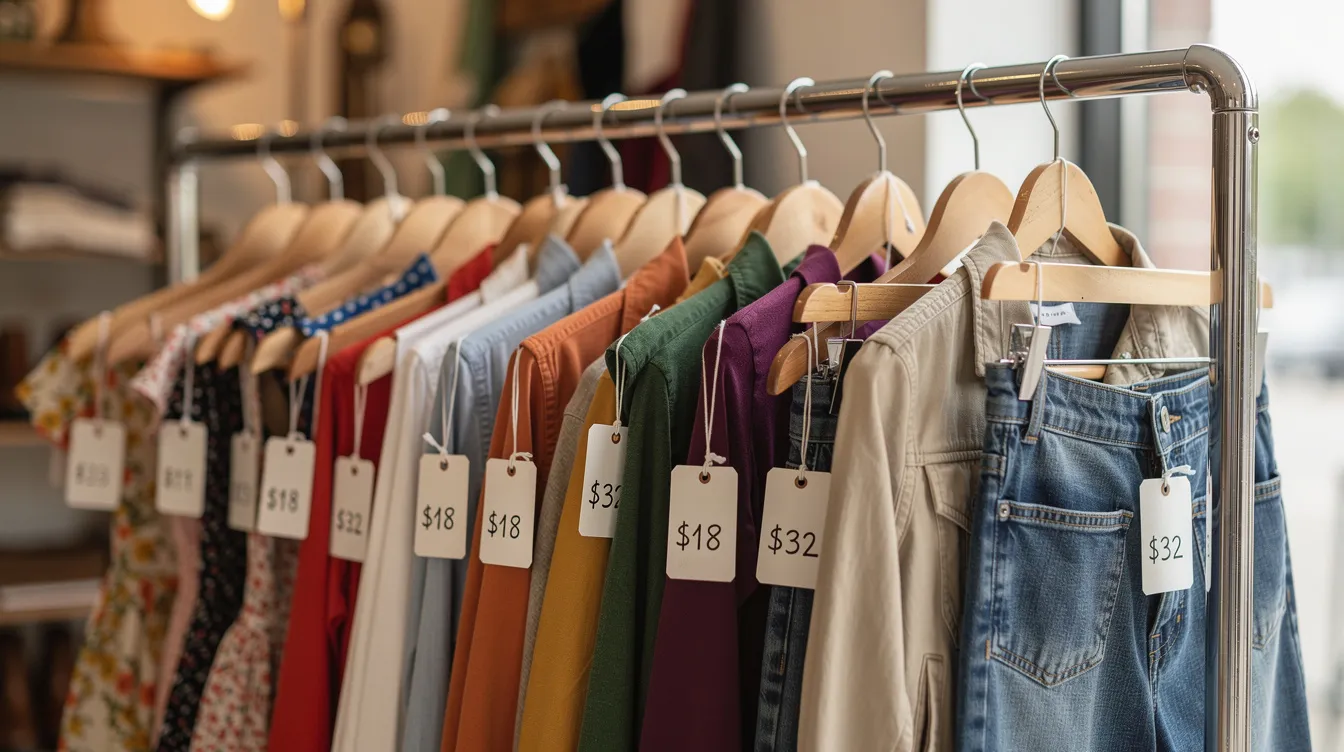
Outside the US and Western Europe, many shoppers rely on regional ebay related sites tailored to local payment methods, languages, and shipping realities. Many of these platforms attract sellers by offering lower seller fees compared to global giants. Understanding these platforms helps you reach buyers where they actually shop.
Many online marketplaces offer unique features tailored to specific user needs, such as lower seller fees, specialized product categories, and seamless shipping solutions.
This section provides a brief world tour, highlighting key ebay type websites per major region. Regional platforms often provide better support, lower fees, and faster delivery than global giants, making them serious ebay’s competitors locally. German-speaking users searching for alternativen zu ebay will find specific options below, as will sellers targeting Asia, Africa, and Latin America.
North America: US & Canada
The United States offers numerous ebay type sites beyond the obvious:
- Amazon and Walmart Marketplace: High traffic, best for new goods
- Facebook Marketplace: Local and shipped, free listings
- Craigslist and OfferUp: Local classifieds, no fees
- Mercari: Mobile-first, 10% flat fee, 20 million US users
- Swappa: Electronics niche, strict quality control
When Americans ask what other sites are like ebay, these platforms collectively serve as sales websites like ebay across general and niche categories.
For Canada, Kijiji and Facebook Marketplace function as primary local websites just like ebay for classifieds and secondhand goods. Fee and shipping differences—particularly for bulky items—can make these sites better than ebay for local-only transactions. Compare shipping zones, tax handling, and buyer protection when evaluating sites to sell on like ebay in North America.
Europe: EU & UK
European ebay other sites include strong regional players:
- Allegro (Poland): 20 million users, 5-10% fees, dominant locally
- Vinted: Fashion across EU, no seller fees
- Catawiki: Expert-curated collectibles auctions
- Wallapop (Spain) and Subito (Italy): Local classifieds
- Gumtree: UK and Australia, free local listings
German-speaking users searching for alternativen zu ebay often find OTTO, Hood.de, and local classifieds alongside Amazon.de. Allegro and Vinted are frequently considered other websites similar to ebay with lower fees and strong local trust.
UK users rely heavily on Gumtree and Facebook Marketplace as other pages like ebay for local, fee-free selling. Language and currency localization make these a better alternative to ebay for selling domestically in 2026.
Latin America
Mercado Libre remains the dominant similar website to ebay across Argentina, Brazil, Mexico, and over a dozen other countries. Its integrated payments and logistics often make it more practical than eBay for regional sellers.
Enjoei (Brazil) serves as a niche shop like ebay with a social vibe, focused on fashion and lifestyle products. Many Latin American sellers never use eBay directly, relying instead on these online stores similar to ebay with local language support and payment options.
Cross-border sellers targeting Latin America often combine Mercado Libre with Amazon as dual websites to sell on like ebay for maximum regional coverage.
Asia: China, India, Japan & South Korea
China’s Taobao and JD.com function as massive similar ebay websites, handling daily auctions, fixed-price sales, and livestream commerce generating billions in GMV. International users typically access China via AliExpress, which works as a global-facing similar website to ebay with very low unit prices.
India’s Flipkart (Walmart-owned, 500 million users) and Myntra represent ebay and other sites alternatives, with Flipkart particularly dominant as a competitor of ebay in the country.
Japan’s answer to what other websites are like ebay centers on Yahoo! Auctions and Rakuten. South Korea’s Coupang and Gmarket operate as online stores similar to ebay, often preferred for ultra-fast delivery and seamless local payments.
Africa & the Middle East
Jumia (covering multiple African countries) and Konga (Nigeria) serve as regional sites similar to ebay for selling electronics, fashion, and household items. These platforms integrate mobile money and local delivery options, positioning them as practical web pages like ebay for regions with limited traditional banking infrastructure.
For the Middle East, OpenSooq, Dubizzle, and Amazon.sa function as online ebay like sites tailored to Arabic-speaking users and local regulations. Many began as classifieds and evolved into true ebay type sites with seller ratings, payment protection, and mobile apps.
For sellers, these may be the most realistic alternative to ebay for selling in markets where eBay has limited presence.
Australia & New Zealand
Trade Me dominates New Zealand as a similar site to ebay combining auctions, classifieds, and fixed-price items. It’s the go-to platform for Kiwi buyers and sellers across nearly every category.
Gumtree (Australia) and Facebook Marketplace serve as primary other sites similar to ebay for local, no-fee buying and selling. Catch.com.au and Amazon.com.au act as online stores similar to ebay for new goods and branded products.
Distance and shipping costs push many Australian and New Zealand users toward these localized sales sites like ebay rather than eBay’s global marketplace. Regional sellers often use Trade Me or Gumtree as a site like ebay to sell domestically before expanding to Amazon or eBay for exports.
Best Sites Like eBay by Selling Category
The “best” alternative for ebay depends heavily on what you sell. A vintage record seller needs different features than someone flipping phones or listing handmade jewelry. This section groups ebay type websites by product category to help you find your ideal marketplace.
Mixing multiple category-specific websites just like ebay can reduce risk and increase total reach. Many successful sellers maintain presence on 2-4 platforms simultaneously.
General Goods & Everyday Items
For broad, everyday inventory, consider:
- Amazon: Best for new items, high traffic, FBA available
- Walmart Marketplace: Growing US presence, 15% fees
- Facebook Marketplace: Secondhand local deals, free listings
- Bonanza: Simple listing, low fees, eBay import feature
- Mercari: Mobile-first, 10% flat fee
Amazon favors new items with barcodes, while Facebook Marketplace caters more to secondhand local deals. Both function as strong sales websites like ebay for general sellers. Bonanza and Mercari feel like other websites similar to ebay but with simpler listing processes ideal for casual sellers.
Using at least one global marketplace plus one local platform works well as a strategy for selling on sites other than ebay.
Fashion, Shoes & Accessories
Fashion sellers should prioritize:
- Poshmark: US-focused, social features, prepaid labels
- Vinted: European, no seller fees
- Depop: Gen Z aesthetic, Instagram-like
- Etsy: Vintage and handmade clothing
These platforms offer social features—following, sharing, community engagement—that standard ebay like stores don’t emphasize. Poshmark’s fee structure and prepaid labels make it one of the easier sites to sell on like ebay for clothing-focused sellers.
For European users, Vinted is a popular alternative to ebay for selling fashion due to lower fees and strong demand. Note these are category-specific shopping sites similar to ebay—not ideal for electronics or collectibles.
Electronics, Phones & Tech
Tech sellers benefit from specialized platforms:
- Swappa: Direct marketplace, strict device verification
- Gazelle and Decluttr: Trade-in/buyback services
- Back Market: Refurbished electronics
Swappa’s direct marketplace acts like a curated similar website like ebay with strict device condition requirements and quality control. Trade-in sites like Gazelle offer instant quotes—more buy-back services than full pages like ebay, but useful alternatives for quick liquidation.
Tech-focused marketplaces may fetch better prices and fewer scams than generalized web pages like ebay. Consider listing high-demand electronics on both a specialist site and one similar to ebay and amazon to compare outcomes.
Collectibles, Antiques & Vintage
Collectors and antique dealers should explore:
- Catawiki: Expert-curated auctions, premium positioning
- Ruby Lane: High-end antiques, 15% fees
- Etsy: Vintage section with targeted audience
- eBay itself: Still strong for certain collectible categories
Catawiki uses expert curation and timed auctions, operating as a premium similar site to ebay specifically for rare and collectible items. Ruby Lane focuses on high-end antiques with a niche audience willing to pay premium prices.
Serious collectors often browse these sites when wondering what websites are similar to ebay for rare coins, art, or memorabilia. Research final sale prices on each similar website like ebay before choosing where to list valuable items.
Local-Only & Bulky Items
For items expensive or impractical to ship:
- Craigslist: Free local classifieds, no fees
- Facebook Marketplace: Built-in trust signals
- OfferUp and Nextdoor: App-based local focus
- Gumtree: UK and Australia classifieds
These platforms qualify as online places like ebay optimized for local transactions. They’re ideal as an alternative to ebay for selling furniture, appliances, or vehicles that would incur prohibitive shipping costs.
Many users prefer these web pages like ebay because there are no seller fees and buyers pick up items in person. Practice safety—public meetups, secure payment methods—when using these other sites similar to ebay. For local-only items, these may be the most practical answer to what site is like ebay but cheaper and faster.

Online Auction Sites: Bidding Beyond eBay
Online auction sites have evolved far beyond eBay, offering buyers and sellers a dynamic way to engage in bidding wars or secure deals through fixed price listings. Today’s auction platforms cater to a wide range of product categories, from fashion and lifestyle products to rare vintage items and collectibles. Many of these sites blend auction style listings with the option for instant purchases, giving users flexibility in how they buy and sell.
Platforms like Facebook Marketplace have introduced negotiation features that mimic the excitement of auctions, while still allowing for quick, local transactions. For those interested in niche markets, Bonanza stands out among online selling sites for its focus on unique lifestyle products and competitive pricing, with lower listing fees and final value fees compared to traditional auction sites. Ruby Lane, on the other hand, specializes in vintage items and antiques, attracting collectors who appreciate curated selections and transparent fee structures.
When exploring online auction sites, it’s important to compare listing fees, seller fees, and the overall user experience. Some platforms offer free listings but charge higher final value fees, while others provide a mix of auction and fixed price options to suit different selling strategies. Whether you’re a casual seller or a seasoned pro, these auction sites offer alternatives that can help you reach targeted audiences and maximize your returns in specific product categories.
Security and Safety: Protecting Buyers and Sellers
Security and safety are top priorities for anyone engaging in online marketplace transactions. Leading eBay alternatives invest heavily in protecting both buyers and sellers through secure payment processing, transparent fee structures, and robust dispute resolution systems. For example, Etsy payments provide a secure and straightforward way for buyers to pay, while sellers benefit from clear policies and reliable transaction handling.
Seller ratings and feedback systems are essential features on most platforms, helping to build trust and accountability within the community. These ratings allow buyers to make informed decisions and encourage sellers to maintain high standards. Many online marketplaces also implement quality control measures, ensuring that products meet specific criteria before being listed. This not only protects buyers from fraud but also helps sellers maintain a positive reputation.
Understanding the listing fees and overall fee structure of each platform is crucial to avoid unexpected costs and ensure a smooth selling experience. By choosing reputable eBay alternatives with strong security protocols and transparent policies, both buyers and sellers can enjoy greater peace of mind during every transaction.
Payment and Shipping: What to Expect on eBay Alternatives
Payment and shipping processes can vary widely across eBay alternatives, so it’s important to know what to expect before you start selling stuff online. Most platforms support a range of payment options, including PayPal, credit cards, and other digital wallets, making it easy for buyers to complete purchases securely. Some, like Amazon, even offer fulfillment services that handle everything from storage to shipping items directly to customers, streamlining the process for sellers.
Shipping costs are a key consideration when setting your selling price, as they can impact your overall profit margin. Many sellers choose to sell items locally through platforms that support in person transactions, such as Facebook Marketplace, to avoid shipping costs altogether. Local sales are especially convenient for bulky or fragile items, allowing buyers and sellers to meet and exchange goods safely.
When listing items, always factor in shipping costs and clearly communicate them to buyers. Whether you’re shipping items across the country or arranging for local pickup, understanding the logistics will help you provide a better experience and avoid surprises for both parties.
Listing Fees, Traffic & Features: How to Compare eBay-Like Sites
Not all ebay like websites are equal. Smart sellers evaluate platforms across multiple dimensions before committing inventory and effort.
Key factors to compare:
| Factor | What to Evaluate |
|---|---|
| Listing fees | Per-item charges, subscription tiers |
| Final value fees | Commission percentages by category |
| Payment processing | Additional 2-4% on most platforms |
| Traffic volume | Monthly visitors, buyer intent |
| Seller tools | Analytics, advertising, shipping labels |
| Buyer protection | Dispute resolution, return policies |
A platform may feel like a website like ebay but cheaper based on lower commissions, but if traffic is minimal, you’ll struggle to make sales. Conversely, Amazon’s massive customer base commands premium fees because buyers are ready to purchase.
Consider eBay’s fee structure (typically $0.30 plus 12.9-13.25% final value fee) as your baseline when evaluating sites similar to ebay for selling. Bonanza’s 3.5% success fee looks attractive until you factor in its smaller audience. Amazon’s 8-15% commission becomes reasonable when FBA handles all logistics.
Seller tools also matter. Some selling website like ebay platforms offer robust analytics (eBay’s Terapeak, Amazon’s Brand Analytics) while others provide minimal data. Evaluate which features align with your business needs.
Tips for Success on eBay Alternatives
To thrive on eBay alternatives, it’s essential to create high-quality listings that stand out. Start with clear, detailed descriptions and sharp images that showcase your products—especially important for fashion and lifestyle products, where presentation matters. Casual sellers can find success on platforms like Poshmark and Mercari, which are tailored for lifestyle products and offer user-friendly interfaces with straightforward listing fees.
Small business owners should take advantage of ecommerce platforms like Amazon and eBay to reach a broader audience, but always pay close attention to the fee structure and seller fees associated with each site. These costs can add up, so factor them into your pricing strategy to maintain healthy margins. Understanding transaction fees and how they impact your bottom line is key to long-term success.
Finally, stay organized and responsive—quick replies to buyer inquiries and prompt shipping can boost your seller ratings and lead to repeat business. Sellers fielding questions across several marketplaces increasingly lean on tools like Instagram DM bots to auto-answer routine buyer messages, keeping response times low without staying glued to every inbox. A link in bio tool also helps point social followers to whichever storefront they should actually be buying from. By leveraging the right platforms and keeping an eye on costs, you can maximize your profits and build a strong reputation in the online marketplace.
When Is It Worth Leaving eBay (or Adding Other Sites)?
You don’t always need to abandon eBay entirely. Many successful sellers maintain presence on ebay and other sites simultaneously, diversifying their risk and reach.
Common reasons sellers seek alternatives:
- Rising fees (eBay increased rates 0.35% in recent years)
- Account suspensions affecting approximately 10% of sellers yearly
- Increased competition in certain categories
- Better margins available elsewhere for niche products
- Local items where shipping costs don’t make sense
Scenarios where another website like ebay to sell might outperform eBay include handmade items (try Etsy), local bulky goods (try Facebook Marketplace), fashion (try Poshmark or Vinted), and electronics (try Swappa).
A multi-channel strategy—using both eBay and at least one alternative ebay platform—lets you test different audiences and protect your business from sudden policy changes. When people ask is there a better alternative to ebay, the honest answer is that “better” depends on what, where, and how you sell.
Future of Online Sales: Trends and Predictions
The landscape of online sales is rapidly evolving, driven by new technologies and shifting consumer habits. Social commerce platforms like Facebook Marketplace and Instagram are making it easier than ever for buyers to discover and purchase products directly from their feeds, blending social interaction with seamless shopping experiences. Competitive pricing remains a top priority, as buyers have more options and can compare deals across multiple platforms in seconds.
Artificial intelligence and machine learning are set to revolutionize the global marketplace, personalizing recommendations and streamlining everything from search to customer service. Mobile commerce continues to surge, with more shoppers using smartphones to browse, buy, and even sell items on the go.
As eBay alternatives adapt to these trends, they’ll need to focus on user experience, robust security, and innovative features to stay ahead. For online sellers, staying informed about these changes and embracing new tools will be crucial for success in the ever-changing world of ecommerce. By keeping an eye on emerging trends and prioritizing customer needs, you can position yourself to thrive in the future of online sales.
FAQ: Other Websites Similar to eBay in 2026
1. What websites are similar to ebay for general selling?
Amazon, Facebook Marketplace, Bonanza, and Mercari all function as what websites are similar to ebay for general merchandise. Amazon excels for new products, Facebook for local deals, and Bonanza for quirky items with low competition.
2. What site is like ebay but with lower fees?
Bonanza (3.5% success fee), Facebook Marketplace (free for local sales), and Vinted (no seller fees for fashion) typically cost less than eBay’s 13%+ final value fees. However, lower fees often mean smaller audiences.
3. Are there sites better than ebay for specific categories?
Absolutely. Etsy outperforms for handmade and vintage items. Swappa wins for electronics. Poshmark and Vinted dominate fashion resale. “Better” is contextual—each platform optimizes for different products and buyer expectations.
4. What are the best alternativen zu ebay for German speakers?
German-speaking users commonly use Amazon.de, OTTO, Hood.de, and local classified sites like eBay Kleinanzeigen. Vinted also has strong German presence for fashion items.
5. Should I use sites like ebay and amazon together?
Yes, many sellers find success using multiple platforms. eBay handles auctions and used items well, while Amazon excels at fixed-price new goods. Diversification protects against platform-specific risks and expands your buyer reach.
6. What are the best ebay alternatives for international selling?
For cross-border sales, consider AliExpress (sourcing from China), Mercado Libre (Latin America), Rakuten (Japan), and Amazon’s various regional marketplaces. Each platform handles local payments and logistics better than eBay in their respective regions.
7. How do I choose between so many similar marketplaces?
Start with your product category and target geography. Test 2-3 platforms with small inventory, track your results (sales velocity, fees paid, customer quality), then double down on what works.
Conclusion: Choosing the Right eBay Alternative for You
There is no single “best” similar site to ebay. Instead, you have access to dozens of other sites similar to ebay optimized for different products, regions, and selling styles. The vintage clothing seller in London needs different platforms than the electronics flipper in Texas or the wholesale importer in Brazil.
Testing multiple websites to sell on like ebay and tracking your actual results—conversion rates, fees paid, customer quality—is the most reliable way to discover what’s better than ebay for your situation. What works brilliantly for one seller may disappoint another.
Think in terms of a portfolio of ebay like sites rather than relying on just one platform. Keeping at least one active eBay account plus 1-3 selling websites other than ebay protects your business from sudden policy changes, fee increases, or account issues that could otherwise devastate your income.
The marketplace landscape will continue evolving through 2026 and beyond, with AI-driven pricing, social commerce integration, and regional platforms gaining strength. Position yourself to adapt by maintaining presence across multiple channels.
Your next step: shortlist 2-3 websites just like ebay from this guide that match your inventory and target market. Create accounts, list a few test items, and start gathering real data this week. The best marketplace for you is the one that actually sells your products profitably—and you won’t know which that is until you experiment.

Author
Debutify
Debutify is the easiest way to launch and scale your eCommerce brand.