The Ultimate Marketing Plan for Selling Plants Online
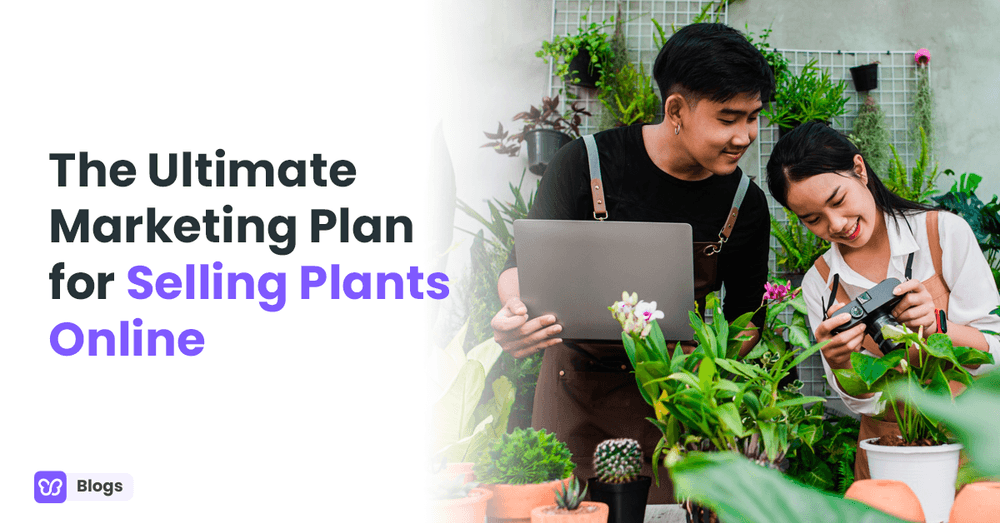
Selling plants online is more than just planting a seed and waiting for it to grow. With the rise of eCommerce, the plant business is booming, too. In fact, the global online plant market size is expected to reach $347.85 million by 2033. This growth means there’s real potential to build a profitable business and make money selling plants online, especially with the right business model and strategic planning.
This guide is for aspiring entrepreneurs, plant shop owners, and hobbyists looking to grow their business online. We’ll cover everything from website setup and marketing to legal considerations and customer service, ensuring you have a comprehensive roadmap to success.
You can absolutely make money selling plants online, whether you grow your own plants or source them from suppliers. If you grow your own plants, you can monetize your hobby to make some extra money by selling plants from home.
What is online plant selling? Online plant selling typically involves setting up an e-commerce website or utilizing existing online marketplaces to list plants with descriptions, prices, and images. Dropshipping is a popular business model for selling plants online, where sellers partner with suppliers who handle inventory and shipping directly to customers. You can also list your plants on established platforms like Amazon, Etsy, and AliExpress, though these may charge listing fees.
But how do you stand out in a market growing faster than a sunflower in July? The answer: a solid marketing plan that will put your plant business at the top of every customer’s list. Houseplants have a chokehold on a generation of homeowners and apartment dwellers not quite ready for pets or kids, making them a hot commodity.
In this article, we’ll go beyond the usual tips you see online. Sure, you’ve heard about social media and email marketing, but let’s dive deeper.
We’ll uncover strategies that most plant businesses overlook but can make all the difference in selling plants online. Differentiating your plant store from other websites selling plants depends heavily on branding, so we’ll show you how to stand out.
1. Start with an Engaging, Mobile-Optimized Website

Your website is your store’s first impression—and you know what they say about first impressions.
Having your own website is crucial for selling plants online, as it gives you full control over your brand, streamlines sales, and makes it easier to manage your business compared to informal methods.
When potential customers land on your site, they should immediately feel like they’ve stepped into a plant lover’s paradise. So make sure your website has a clean, beautiful design, easy navigation, and stunning images of your plants. All these can make all the difference in engaging your visitors.
But what do most people forget? Optimizing their website for mobile.
More than 60% of consumers shop from their phones. So, if your site isn’t mobile-friendly, you’re losing out on potential sales. Ensure your website is fast, intuitive, and easy to use on any device. This keeps visitors on your site longer and helps your site rank higher on search engines—hello, more traffic!
How to Set Up Your Website:
- Choose a high-converting theme that’s easy to set up.
- Use platforms like Shopify to build your store without coding or design skills.
- Organize your products into helpful categories or collections, such as 'pet friendly' or 'beginner friendly', so customers can easily find what they’re looking for.
Once your website is ready, you can also consider joining a plant marketplace, or listing your plants on established platforms like Amazon, Etsy, and AliExpress, though these may charge listing fees.
Transition: With your website set up, the next step is choosing the right plants to offer your customers.
2. Build Trust with High-Quality Product Pages
Selecting the right plant species for your online plant business is the foundation of your success. Start by getting to know your audience—are they seasoned plant parents, beginners, or somewhere in between?
Indoor vs. Outdoor Plants
Offering a mix of both indoor and outdoor plants ensures you cater to a wider range of plant enthusiasts:
- Indoor plants: Perfect for apartments and homes with limited outdoor space.
- Outdoor plants: Ideal for customers with gardens, patios, or balconies.
Popular Plant Types
If your customers are new to plant care, focus on easy-to-grow indoor plants such as:
- Pothos
- Snake plants
- Succulents
For more experienced plant lovers, consider offering rare or exotic plant species that can add excitement to their collection.
Plant Accessories
To boost your plant sales, complement your selection with plant accessories, such as:
- Decorative plant pots
- Hanging planters
These not only enhance the look of your plants but also increase your average order value.
Care Instructions
Always provide clear plant care instructions and highlight which plants are best suited for different environments—like low-light apartments or sunny patios.
By curating your plant inventory to match your audience’s needs and preferences, you’ll set your online plant business up for long-term growth.
Transition: Once you’ve selected your plant offerings, it’s time to build trust with high-quality product pages.
3. Leverage Social Media in a Smart Way

Your product page shouldn’t be an afterthought. It’s one of the most vital parts of your website.
When selling plants online, customers must know exactly what they’re buying. That means:
- Detailed plant descriptions (species, size, care instructions)
- High-quality photos from different angles
- Videos, if possible
- Clearly displayed available plants for easy browsing
Here’s what many plant sellers forget: Size matters. People want to know how big the plant will grow, how fast it will grow, and whether it will thrive in their climate.
High-quality photography plays a crucial role in online plant businesses, as it helps to showcase the beauty and details of your available plants, making it easier for customers to make informed decisions.
Give them all the information they need upfront. And remember to add trust signals, like customer reviews and care instructions. The more transparent you are, the more likely your customers are to buy.
Transition: Once your product pages are optimized, it's time to focus on building your brand identity.
4. Use Email Marketing to Grow Your Audience
In the crowded world of online plant businesses, a memorable brand identity is what sets you apart. Start by crafting a compelling brand story that shares your passion for plants and your journey as a plant business owner. Let your customers know why you love plants and what makes your approach unique—whether it’s your commitment to sustainability, your expertise in rare plant species, or your dedication to helping new plant parents thrive.
Invest in professional branding elements like:
- A distinctive logo
- A harmonious color palette
- Consistent typography
These visual cues should be reflected everywhere—from your website and social media to your packaging and plant care cards. Consistency builds trust and makes your brand instantly recognizable.
But a brand is more than just visuals. Use your brand identity to foster a community of plant enthusiasts. Encourage customers to share their plant stories, showcase their plant setups, and connect with other plant lovers. The stronger your brand identity, the more likely you are to create loyal customers who feel like they’re part of something special.
Transition: With your brand identity established, it’s time to leverage social media to reach a wider audience.
5. Offer a Subscription Service
Yes, you’ve heard this a million times: “Use social media to grow your business.” But how? Just posting pretty pictures of your plants isn’t enough anymore. You need to get creative.
One strategy that works wonders in the plant industry? User-generated content.
Encourage your customers to share photos of their plants on social media and tag your store. Not only does this create a community around your brand, but it also acts as free advertising. The plant community thrives on sharing knowledge and best practices, especially when it comes to packaging and shipping to ensure plants arrive healthy and undamaged.
People are more likely to trust recommendations from real customers than from a business.
Social media platforms like Facebook, Instagram, Pinterest, and TikTok can do wonders for your plant business. TikTok, in particular, has become a hotspot for plant lovers.
Using short-form video tools like TikTok and Instagram Reels is essential for building trust with customers and fostering a sense of community among plant enthusiasts. Posting quick tips on plant care, behind-the-scenes looks at your business, or even “plant unboxing” videos can draw in a whole new audience.
Transition: After building your social presence, nurture your audience with effective email marketing.
6. Partner with Influencers and Content Creators

Email marketing is one of the best ways to keep customers coming back, but many businesses overlook its power. Collecting emails from visitors who aren’t ready to buy yet is crucial. Offer your subscribers something valuable in exchange for their email address, such as:
- A plant care guide
- A discount code for their first purchase
Once you have their email, create an email sequence to nurture your leads. You can send:
- Educational emails about plant care
- Tips for arranging plants in a home
- Updates on new plant arrivals
According to a study, personalized emails generate up to six times higher transaction rates, so tailor your emails based on a customer’s preferences. Understanding customer preferences allows you to customize email content and offers, making your messages more relevant and appealing to your audience.
Transition: To further boost customer loyalty and recurring revenue, consider offering a subscription service.
7. Host Virtual Workshops and Events
This is where many plant businesses miss out. Offering a subscription service can not only build recurring revenue but also create a deeper connection with your customers.
Imagine sending your customers a new plant every month, along with care instructions and perhaps even a decorative pot!
Subscriptions for live plants are growing in popularity because they add convenience for plant lovers who want to grow their collection without the hassle of choosing plants themselves.
Pro tip: You can also offer subscriptions for plant care products, fertilizers, or seasonal plant packs.
Transition: Another way to expand your reach is by partnering with influencers and content creators.
8. Use Google Ads with Specific Targeting

Influencer marketing is a game-changer, especially in the plant space. But here's the twist: instead of focusing on big-name influencers, reach out to micro-influencers.
These are content creators with smaller but highly engaged audiences. They often have more authentic connections with their followers, which can lead to better engagement for your business.
But remember, collaborate only with influencers who are passionate about plants so the content feels more genuine. Whether it's through sponsored posts, giveaways, or plant care tutorials, partnering with the right influencers can put your plant business in front of a dedicated audience.
Bonus tip: Instead of just paying influencers, try offering them free plants in exchange for promotion. This keeps your marketing budget low and gives influencers something valuable to talk about.
Transition: To further engage your audience, consider hosting virtual workshops and events.
9. Sustainability Sells—Highlight It
One of the best-kept secrets in the online plant industry? Hosting virtual events.
This is a creative way to engage your audience and establish your brand as an expert. You can host a live webinar on plant care, offer Q&A sessions for beginners, or even teach your customers how to propagate plants.
By doing this, you can build trust with your audience and gives you a chance to showcase your products in action.
After all, who wouldn't want to buy a plant after watching it flourish in a workshop setting? Plus, virtual events can be recorded and repurposed into content for social media or your website.
Transition: To reach customers actively searching for plants, use targeted Google Ads.
10. Analyze and Adjust Your Marketing Strategy
Google Ads are often underutilized by small plant businesses. Running Google Ads can put your plant business in front of people who are already searching for the types of plants you sell.
How to Run Google Ads:
- Research and select specific keywords that match your niche (e.g., “best indoor plants for low light,” “easy-care indoor plants”).
- Set up targeted ad campaigns focusing on these keywords.
- Monitor ad performance and adjust your strategy for better results.
To accelerate growth, it's important to run paid ads, especially in the early stages of selling plants online. Paid ads help attract new customers and generate initial sales momentum.
Transition: To further increase your store’s visibility, focus on search engine optimization.
11. Boost Visibility with Search Engine Optimization (SEO)
If you want your online plant store to thrive, boosting your visibility with search engine optimization (SEO) is a must.
SEO Steps:
- Research keywords your customers are searching for, such as “buy plants online,” “online plant business,” and “plant care tutorial videos.”
- Sprinkle these keywords naturally throughout your product descriptions, blog posts, and landing pages.
- Ensure your website is mobile-friendly, loads quickly, and is easy to navigate.
- Create valuable content like plant care guides, how-to videos, and blog posts that answer common questions about plant care and plant purchases.
By consistently optimizing your online plant store for SEO, you’ll make it easier for plant lovers to find you, buy plants, and become loyal customers.
Transition: Highlighting your sustainability efforts can further differentiate your business.
12. Sustainability Sells—Highlight It
Did you know that 44% of consumers are more likely to buy from businesses that show they care about sustainability? When selling plants online, this is a golden opportunity.
Emphasize your business's eco-friendly practices, whether that's:
- Using biodegradable packaging
- Offering locally sourced plants
- Promoting sustainable plant care
Consumers are increasingly mindful of where their products come from, and highlighting your sustainability efforts can be a huge selling point. Consider dedicating a section of your website to your environmental commitments or sharing behind-the-scenes content about your sustainable practices on social media.
Transition: Providing outstanding customer service is the next step to building a loyal customer base.
13. Provide Outstanding Customer Service and Support
Outstanding customer service is the secret ingredient to building a thriving online plant business.
Support Channels
Make it easy for your customers to reach you by offering multiple support channels:
- Phone
- Live chat
Respond quickly to questions about plant care, shipping, or plant selection, and always aim to provide clear, helpful solutions.
FAQ and Resources
Go the extra mile by creating a comprehensive FAQ section and sharing plant care tips and tutorial videos. These resources empower your customers to care for their new plants with confidence and reduce the number of support requests you receive.
Subscription Services
Consider offering recurring plant shipments or subscription services, so plant lovers can enjoy a steady stream of new plants and supplies delivered right to their door.
By prioritizing customer support and providing ongoing value, you’ll turn one-time buyers into loyal fans who trust your expertise and look forward to every new plant delivery.
Transition: Next, let’s discuss how to master shipping and handling for delicate plants.
14. Master Shipping and Handling for Delicate Plants
Shipping live plants requires extra care and attention to detail. To ensure your plants arrive healthy and beautiful, invest in sturdy packaging materials like bubble wrap and heat packs—especially if you’re shipping during extreme temperatures. Develop a reliable shipping process that minimizes handling time and reduces the risk of damage in transit.
Shipping Tips:
- Work with reliable suppliers and shipping carriers who understand the unique needs of shipping plants.
- Provide accurate descriptions of each plant, including size, species, and care requirements.
- Offer specialized shipping options, such as express delivery or temperature-controlled shipping, for particularly delicate or rare plants.
By mastering the art of packing plants and perfecting your shipping process, you’ll build a reputation for quality and reliability—making your online plant business the go-to destination for plant lovers everywhere.
Transition: Now, let’s cover the legal and sourcing aspects crucial for your plant business.
Legal Considerations and Sourcing Plants
There are several ways to source plants for your plant selling business, including:
- Growing your own plants
- Sourcing from local greenhouses, nurseries, and plant suppliers with wholesale programs
- Using dropshipping models where suppliers handle inventory and shipping
When deciding whether to grow plants yourself, consider your available space, time commitment, and whether you have a green thumb. Sourcing plants from local greenhouses, nurseries, and wholesalers is a common practice for those who sell plants online.
Legal Considerations:It is legal to sell plants online in most places, but you may need a business license or a specialized permit, depending on your location and the type of products you sell. For example, California requires different permits for selling nursery stock and selling seeds. Always research your local regulations regarding nursery stock, selling seeds, and other plant products to ensure compliance. Sellers should research and understand the specific legal requirements and regulations in their jurisdiction to ensure compliance when selling plants online. Some places may require a business license or a specialized permit for selling plants online, which can vary by country or state. Ensure you have necessary licenses for selling plants across state lines, including USDA regulations and phytosanitary certificates.
Transition: With legal and sourcing considerations addressed, let’s look at how to analyze and adjust your marketing strategy for ongoing success.
15. Analyze and Adjust Your Marketing Strategy
No marketing plan is complete without constant tweaking and adjusting. Use tools like Google Analytics to track your website’s performance.
Key Steps:
- Monitor which pages visitors spend the most time on and where they drop off.
- For social media, look at engagement rates.
- For email marketing, track open and click-through rates.
When selling plants online, developing a solid pricing strategy is essential. Pricing any product, including plants, can be difficult if you're a new business. Consider the current market price for similar plants, and keep in mind that seasonality can affect pricing, as wholesale costs may fluctuate throughout the year. Customer preferences should also be considered, as understanding what your customers expect to pay can help you set appealing price points. Researching other businesses' pricing models will help you establish competitive prices. Be sure to factor in all fixed costs, including labor—even if you are not paying staff, your own time and effort should be included in your calculations. Maintaining a reliable supply chain and managing inventory tightly are also critical for keeping your pricing consistent and planning ahead.
Your marketing strategy should always evolve based on what’s working and what’s not. The more you test and refine your strategy, the better your results will be.
Transition: Let’s wrap up with a summary of how to bring your plant business to full bloom.
Bringing Your Plant Business to Full Bloom
Selling plants online is more than just setting up a store and waiting for customers to roll in. Starting a plant selling business is easier than ever, with the potential to sell plants online through your own website or dedicated marketplaces. Now is a great time to start selling plants online and tap into the growing demand for greenery. You need a robust marketing plan that covers everything from a solid online presence to engaging with your community. Plus, leverage the right tools to drive traffic and increase conversion.
With the plant industry set to grow, the time to implement these strategies is now. Whether you’re just starting or looking to expand, these tips will give your plant business the boost it needs to flourish.
Remember, the key to selling plants online is creativity and connection. Put these marketing strategies into practice, and you’ll not only grow your sales—you’ll grow a loyal community of plant enthusiasts ready to support your business.
Want more ideas on how to turn your visitors into customers? Learn from this video on building a high-converting store to further optimize your online store.

Author
Rhea Diamante
Rhea Diamante is a copywriter at Debutify, where she crafts compelling and engaging content. With a knack for storytelling and a keen eye for detail, she ensures every piece she writes resonates with the audience and drives results.