Technical SEO for Ecommerce: The 2026 Checklist That Actually Moves Rankings
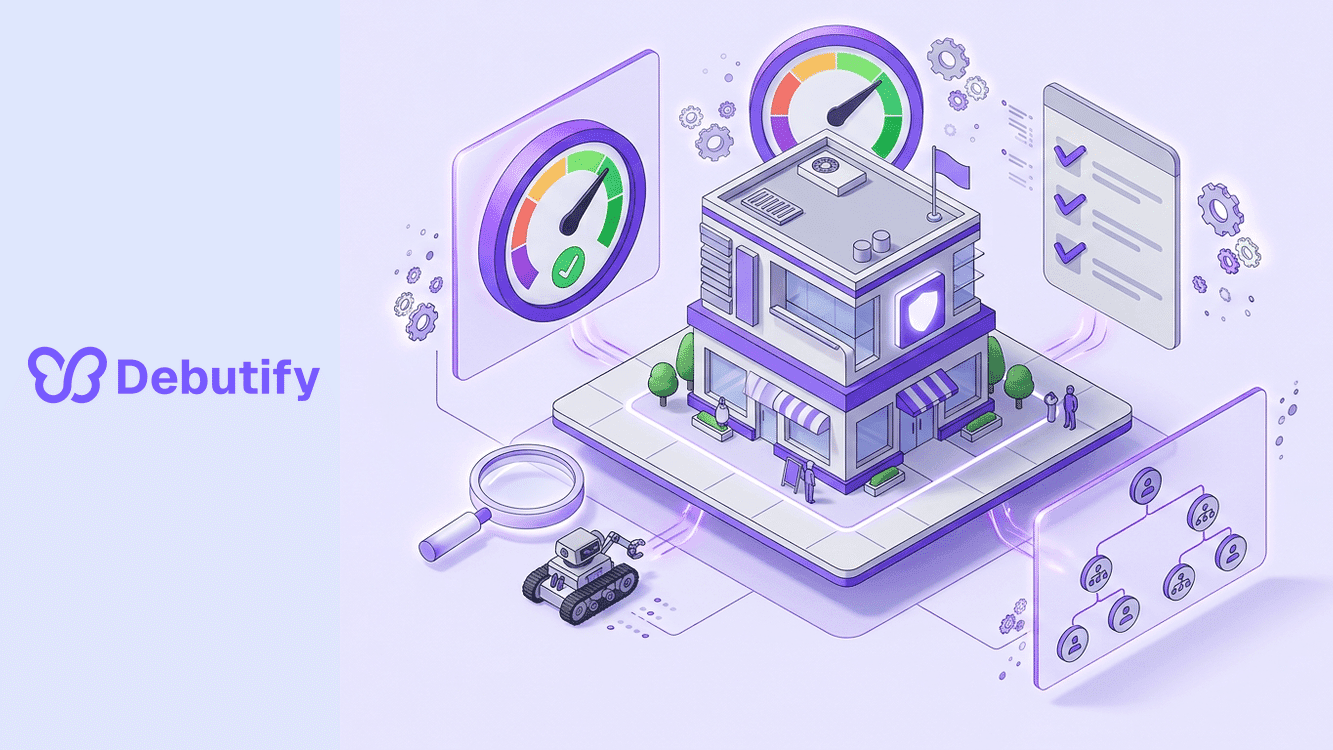
Technical SEO for an ecommerce store in 2026 comes down to five systems: crawl and index control, Core Web Vitals at the current thresholds (LCP under 2.5s, INP under 200ms, CLS under 0.1 at the 75th percentile), duplicate and facet control, structured data, and AI crawler governance. Everything below is a check you can run this week, with Shopify notes where the platform decides for you.
Most technical SEO content is a list of platitudes: submit a sitemap, write alt text. This checklist is different in two ways. It reflects what actually changed recently (INP replacing FID, AI crawlers becoming a second audience, field data beating lab scores), and it is ordered by impact, so a store with one afternoon fixes the things that move rankings first. If you want the strategic argument for why this work matters before the how, our guide to why technical SEO matters for ecommerce covers it; this page is the working document.
Why technical SEO decides ecommerce rankings
Two numbers explain the priority. First, speed is revenue: a Google and Deloitte study tracking 30 million sessions found a 0.1-second mobile speed gain lifts conversions about 8.4% and average order value about 9.2%, and Shopify's own 2026 analysis found stores loading in 2.5 seconds convert roughly 30% worse than stores loading in 1.5 seconds. Second, visibility now has two audiences: classic search and AI answer engines, which industry estimates put at 22 to 30% of informational query traffic and climbing. Both audiences reward the same underlying hygiene: fast pages, clean indexation, honest structure. Technical SEO is the only channel work that improves both at once.
Part 1: Crawl and index control
- Check robots.txt loads at yourdomain.com/robots.txt and blocks only what it should: admin, cart, checkout, account, and internal search results. On Shopify, the default robots.txt is generated for you and editable through the admin; do not block collection or product paths.
- Submit your XML sitemap in Google Search Console. Shopify builds it automatically at /sitemap.xml with child sitemaps for products, collections, pages, and blogs.
- Noindex the thin pages: tag archives, internal search results, and duplicate locale copies you do not serve. Thin pages do not just fail to rank; they dilute crawl budget on large catalogs.
- Keep priority pages on HTTP 200. One 2026 analysis of AI Overview citations found 96.45% of cited pages returned a clean 200. Fix broken internal links, and collapse redirect chains to a single hop.
- Watch the Index Coverage and Pages reports in Search Console monthly. "Discovered, currently not indexed" growing on product URLs is a crawl budget or internal linking symptom, not a content one.
Part 2: Core Web Vitals at the 2026 thresholds
The current pass marks, measured at the 75th percentile of real Chrome user data: LCP under 2.5 seconds, INP under 200 milliseconds, CLS under 0.1. Two common failures:
- Optimizing for FID. INP replaced First Input Delay in March 2024. If your team still reports FID, it is measuring a retired metric; INP covers the full life cycle of an interaction, which is why most stores that pass LCP and CLS still fail it.
- Trusting lab scores. Lighthouse on a clean install flatters every store. Use the Search Console Core Web Vitals report or the Chrome UX Report, because field data is what Google uses, and real stores carry real app payloads.
The fixes that matter, in order: preload the hero image and never lazy-load above-the-fold content (LCP); audit and remove heavy apps, defer non-critical JavaScript, and break up long main-thread tasks (INP); set width and height on every image and reserve space for embeds and announcements (CLS). Ecommerce sites passing all three thresholds see 15 to 30% higher conversion rates than failing sites, so this is a revenue project wearing an SEO costume. Your homepage section order and your theme choice set the ceiling here; apps decide how much of it you keep.
Part 4: Structured data that earns rich results and citations
- Product pages: Product schema with name, image, description, plus Offer (price, availability, currency) and AggregateRating when you display real reviews. Marking up a rating you do not show visibly violates Google's guidelines and risks a manual action.
- Sitewide: Organization (or LocalBusiness where relevant) and BreadcrumbList, which feeds the breadcrumb display in results.
- Content pages: Article for blog posts and FAQPage where a visible FAQ exists.
- Validate with the Rich Results Test after every theme or app change that touches templates, then monitor the enhancement reports in Search Console. Schema is the layer AI answer engines quote most directly; a product with clean Offer markup is citable, and one without is invisible to extraction.
Part 5: AI crawler governance
Robots.txt now needs a decision, not a default. The 2026 split:
- Retrieval bots answer user queries live: OAI-SearchBot and ChatGPT-User (ChatGPT search), PerplexityBot, and Google's AI surfaces via Googlebot. Allow these if you want citations; blocking them does not affect classic Google rankings, since they are separate user-agents, but it removes you from AI answers.
- Training bots build future models: GPTBot, CCBot, Google-Extended. Blocking these is a business decision about your content being used for training; it does not hide you from current AI search if the retrieval bots are allowed.
- Render parity is the sleeper issue. Most AI crawlers do not execute JavaScript, so anything client-side rendered (reviews widgets, price logic, FAQs injected by apps) may not exist for them. Critical content must be in the server-rendered HTML. Test it: curl -A "GPTBot" https://yourstore.com/a-key-page and read what comes back.
- Make the choice deliberately and write it down. An accidental block in a theme update is the most common way stores silently vanish from AI answers.
The Shopify short list
Hosting, SSL, CDN, sitemaps, canonicals, and robots.txt generation are handled by the platform, which is why Shopify stores pass Core Web Vitals far more often than the wider web. What remains yours: theme weight, app JavaScript, image discipline, facet strategy, schema correctness, and crawler policy. Every one of those is on the list above. Run the full audit twice a year and the short version after any theme change, major app install, or market expansion; our ecommerce SEO audit blueprint walks through the deeper on-page and content layers once the technical floor is solid.
Frequently asked questions
Does technical SEO still matter in the AI search era?
More than before. AI answer engines cite pages they can crawl, parse without JavaScript, and trust structurally. The same fixes that serve Googlebot serve the retrieval bots, and stores that ignore them lose both audiences at once.
Should I block GPTBot?
Decide what you are blocking. GPTBot trains models; blocking it does not remove you from ChatGPT search, which uses OAI-SearchBot. Most merchants allow retrieval bots and treat training bots as a licensing preference, not an SEO lever.
Which Core Web Vital do stores fail most?
INP, in 2026 field data. It replaced FID in March 2024 and measures responsiveness across the whole interaction, which is where heavy app JavaScript shows up first.
How do I check my store's real-world scores?
Search Console's Core Web Vitals report, or PageSpeed Insights on your top templates reading the field-data section (Chrome UX Report). Lab-only scores flatter clean installs and hide app weight.
Is Shopify technically SEO-friendly out of the box?
Yes for infrastructure: automatic sitemaps, canonicals, robots.txt, CDN, and mobile templates. The variables are theme quality, app sprawl, facet handling, and schema, which is exactly what this checklist covers.
Boring fixes, compounding traffic
Nothing on this checklist is clever. That is the point: technical SEO rewards the store that does the unglamorous work consistently, because every fix compounds across every template, every product, and now every AI answer engine that reads you. Run Part 1 and Part 2 this week, schedule Parts 3 through 5 this month, and re-audit after your next theme or app change. Rankings, citations, and conversion rate move together when the floor is solid, and the floor is technical.

Author
Debutify
Debutify is the easiest way to launch and scale your eCommerce brand.