The Must-Have Features of a WordPress Theme for Bloggers
WordPress changed blogging by giving anyone a platform that looks professional on day one. But the single decision that shapes whether a blog succeeds is the choice of theme, because the theme decides how the writing looks, loads, and spreads.
A well-designed theme provides the features that optimize the reader's experience and lift engagement. Here are the must-have features of a WordPress theme for bloggers, and why each one earns its place on the list.
Responsive design
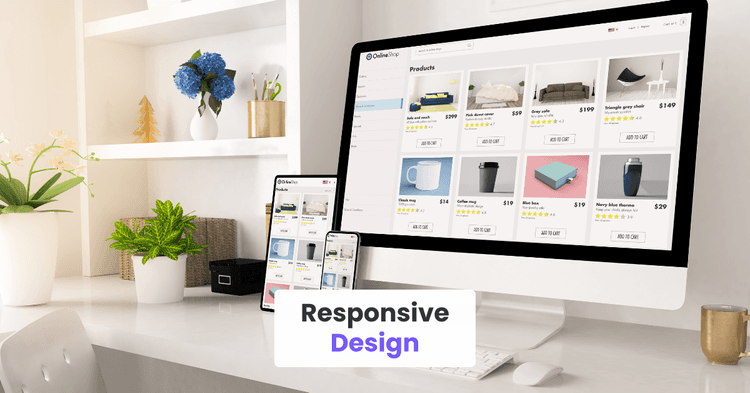
In a mobile-first world, responsive design is a necessity, not a feature. A theme should adapt seamlessly to every screen size and device, so the blog looks right and works flawlessly on desktops, tablets, and phones.
Responsive design does two jobs at once. It improves the reader's experience, and it improves search rankings, because Google prioritizes mobile-friendly websites. The same logic governs storefront themes: the sale usually happens on a phone, so the theme that renders cleanly on a small screen is the one that earns it.
Customization options
Every blogger has a vision for the site, and a theme should offer the customization options to bring it to life: color schemes, font choices, layout variations, and control over headers, footers, and sidebars.
The ability to customize those elements is what separates a blog that looks like a brand from one that looks like a template. Readers trust design that feels intentional, and intentional design comes from a theme that lets you make real choices.
SEO-friendly structure

Search engine optimization is how a blog earns organic traffic, and a theme with built-in SEO features gives the writer a head start. Clean code, quick loading times, and schema markup are the structural basics, and integration with well-known SEO plugins like Yoast adds the workflow on top.
The structure point is the one most bloggers discover too late. Content written inside a slow, badly-marked-up theme is climbing with weights on, and no amount of keyword work fully compensates for a foundation that fights the crawler.
Typography and readability
Content is king in blogging, so the theme must prioritize readability. Look for typography options covering font styles, sizes, and line spacing, along with generous white space and clean formatting that let readers consume long pieces without strain.
Typography is the part of design readers feel but never name. The post that gets finished and shared is usually the one set in a comfortable measure with breathing room, and the post that gets abandoned is rarely abandoned because of the writing.
Page builder compatibility
Page builders let bloggers create visually rich pages without code, and a theme that plays well with tools like Elementor or Beaver Builder opens up layout possibilities that static templates cannot match. Drag-and-drop elements, custom templates, and animations take a blog beyond the standard post format.
Compatibility is worth testing before committing, because themes and builders disagree in expensive ways: broken layouts, duplicated sidebars, styles that override each other. The ten-minute compatibility test saves the weekend of undoing, and it is the same discipline a store applies before pairing a theme with any app.
eCommerce Integration

Many bloggers monetize by selling products or services, and a theme that integrates cleanly with WooCommerce, or an equivalent commerce plugin, turns the blog into a storefront. Dedicated shop templates, product showcase options, and a smooth checkout are the features to check.
The blogger who sells is running a store whether they call it one or not, and the theme decides whether the shop feels like part of the brand or an afterthought bolted on. Readers buy from sites where the commerce looks as intentional as the content, and that coherence is a theme choice.
Support and updates
A theme from a reputable developer brings ongoing support and regular updates, which is what keeps the security and functionality of the blog intact as WordPress itself evolves. Updates keep the theme compatible with new releases and optimized for performance.
And when something breaks, responsive customer support is the difference between a hiccup and a week of downtime. The theme you choose is also the support relationship you are signing up for, and that relationship is worth vetting before the purchase, not during the outage.
Selecting the right theme is a critical decision for any blogger because it shapes the site's success directly: how it looks, how it ranks, how it shares, and how it sells. Before you commit to a theme, run this checklist:
- Check responsiveness on a real phone, not just the demo.
- Confirm the customization depth: colors, fonts, headers, layouts.
- Test page speed on the theme's own demo before installing.
- Verify the share buttons work with one tap.
- Read the typography defaults with a long-form post.
- Check builder and commerce compatibility if you use either.
- Vet the update history and support channel before you need them.
A well-designed, feature-rich theme sets the stage for everything the blog will ever publish. Choose it like the foundation it is.

Author
Diane Eunice Narciso
Diane Eunice Narciso is a content marketer, strategist, and writer who's skilled and passionate about marketing, social media, eCommerce, etc. And is also an expert in sales and business development nurturing strategic partnerships and collaborations.

Social media integration
Social platforms are how a blog's reach multiplies, and a theme should seamlessly integrate sharing buttons and social icons so readers can pass a post along without friction. Look for support for social media widgets, feed embeds, and follow buttons, because every share is a new front door.
The friction test is simple: if sharing your post takes more than one tap, the theme is taxing your distribution. The blogs that grow fastest are the ones that made the reader's endorsement effortless, and that is a theme decision before it is a content decision.