Game-Changing Strategies: Colby Flood's Insights on Go-To-Market and Creative Branding
In today's competitive business landscape, effective go-to-market strategies and creative branding are essential for companies that want to stand out and capture the attention of their target audience. To shed light on the topic, we turn to Colby Flood, an expert who recently shared his insights on the Debutify podcast.
This article walks through the key takeaways from that conversation: what a go-to-market strategy actually does, why branding is more than a logo, and how aligning the two can change how a company shows up in its market.
Understanding go-to-market strategies
Go-to-market, or GTM, strategies cover everything a company does to bring a product or service to market successfully: identifying target customers, shaping a value proposition, and building a plan to reach and engage the intended audience.
According to Flood, a well crafted GTM strategy is what lets businesses differentiate themselves from competitors and maximize market penetration. Without one, even great products struggle to get noticed.
The role of creative branding
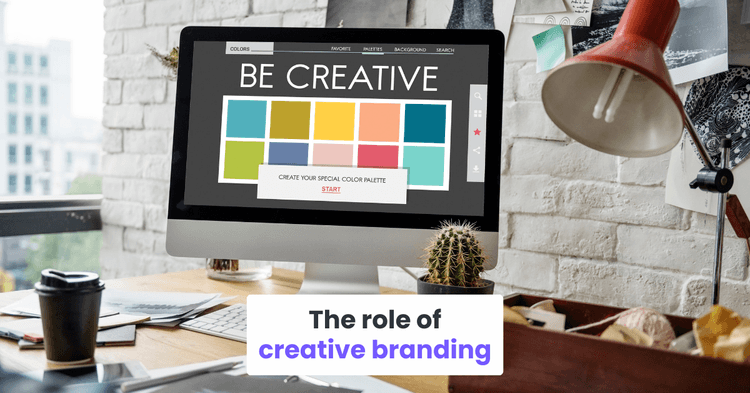
Creative branding is pivotal in establishing a company's identity and connecting with its target audience. Flood emphasizes that branding is not just about logos and visual aesthetics; it covers customers' overall perception of and experience with a brand. A strong brand identity builds trust, loyalty, and recognition, which translates into higher customer engagement and more sales.
In other words, your brand is what people feel when they interact with your business, and creative branding is how you shape that feeling on purpose.
Aligning GTM strategies with creative branding
One of the sharpest insights Flood shares is the importance of aligning go-to-market strategy with creative branding efforts. He stresses that a coherent, consistent brand message across every marketing channel is critical to establishing a strong market presence.
When branding is woven into the GTM plan from the start, businesses communicate their unique value proposition clearly and create a lasting impression instead of a scattered one.
Leveraging digital marketing channels
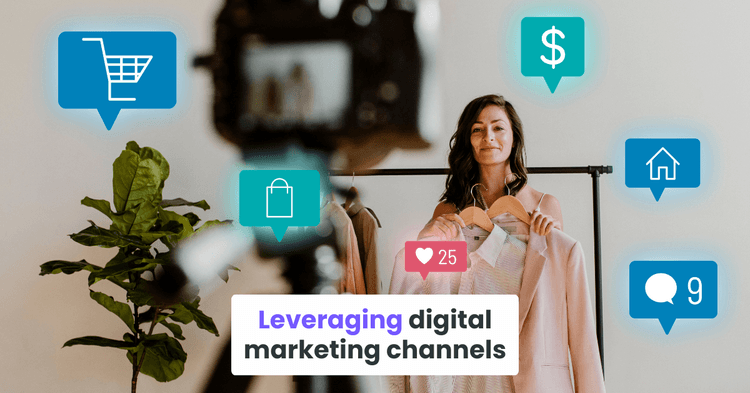
In the digital age, businesses have plenty of digital marketing channels to work with, and Flood highlights the importance of using them strategically to reach the right audience.
Social media platforms, content marketing, email marketing, and influencer collaborations are just a few of the ways companies can engage their audience and build brand awareness. The difference between noise and results is choosing the channels your customers actually use and showing up consistently on them.
Embracing innovation and adaptability
Flood also emphasizes the need to stay agile. Technology and consumer behavior evolve quickly, so companies must be open to innovation and willing to explore new avenues rather than defending what worked last year.
By continuously evaluating and refining both the go-to-market strategy and the branding effort, businesses stay ahead of the competition and hold a strong market position over time.
Go-to-market strategy and creative branding are two halves of the same job: making the right people notice you, and giving them a reason to stay. Colby Flood's insights make the case for treating them as one system. The checklist to put it into practice:
- Define target customers and value proposition before launching any campaign
- Treat branding as the total customer experience, not just visual identity
- Keep one consistent message across every marketing channel
- Pick digital channels based on where your audience already spends time
- Review and refine the strategy as markets and behavior change

Author
Diane Eunice Narciso
Diane Eunice Narciso is a content marketer, strategist, and writer who's skilled and passionate about marketing, social media, eCommerce, etc. And is also an expert in sales and business development nurturing strategic partnerships and collaborations.