How An Order Confirmation Email Can Boost Customer Satisfaction?
Did you know that 64% of online shoppers consider order confirmation emails as the most valuable messages they receive from retailers? In the fast-paced world of e-commerce, these seemingly mundane emails play a crucial role in shaping customer experiences and driving repeat business.
Order confirmation emails are the first communication a customer receives from a brand after placing an order. An order confirmation, a digital receipt sent to customers after they confirm they make a purchase online, serves as a vital communication tool between businesses and consumers. It not only verifies the details of the transaction but also sets the tone for the post-purchase journey.
The significance of order confirmation emails cannot be overstated. They reassure customers that their orders have been received and are being processed, thereby instilling trust and confidence in the brand. These emails provide all the information customers need to feel confident about their purchase. Additionally, these order timeline emails provide an opportunity for businesses to engage with customers, promote related products or services, and gather valuable feedback.
Order confirmation emails have a 65% open rate, the highest among all email types, and generate high click-through rates, often bringing in more orders than promotional emails. A well-crafted order confirmation email can turn one-time buyers into repeat buyers and brand advocates, driving repeat sales. Without order confirmation emails, customers may feel anxious or confused about whether their order was processed correctly, leading to a shaky brand experience and increased inquiries for customer service.
Businesses can streamline their communication by using order confirmation email templates, ensuring consistency and efficiency. It's also important to reflect brand values and maintain a consistent brand voice in order confirmation emails to strengthen customer loyalty and reinforce your brand identity.
In this blog, we will delve into the importance of order confirmation emails in e-commerce, explore best practices for crafting effective order confirmation email examples and messages, and discuss how businesses can leverage these automated emails to enhance customer satisfaction and loyalty. Let's unravel the power of body copy—this often-overlooked but essential component of the online shopping experience—as the central part of your message that conveys all critical details to your customers.
Introduction
Order confirmation emails are among the most valuable messages online shoppers receive from retailers. For e-commerce businesses, marketers, and customer service teams, mastering the art of the order confirmation email is essential for building trust, enhancing customer satisfaction, and driving business growth.
This article will cover the importance of order confirmation emails in e-commerce, best practices for crafting effective messages, and actionable strategies to optimize these emails for conversions and customer retention. Whether you’re looking to streamline your communication, reinforce your brand, or boost repeat sales, this guide will help you unlock the full potential of order confirmation emails.
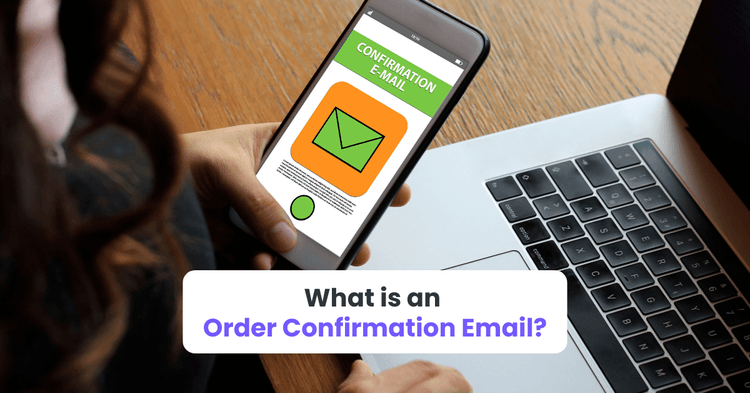
What is an Order Confirmation Email?
Definition and Purpose
An order confirmation email is an automated transactional email sent to a customer once they've completed a transaction in an online store. Order confirmation emails serve as a digital receipt that includes order confirmation numbers, what was purchased, and shipping information.
Essential Elements of an Order Confirmation Email
Every order confirmation email should include the following key details to ensure clarity and transparency for the customer:
- Order confirmation number: A unique identifier for the transaction.
- Items purchased: A detailed list of products, including quantities and prices.
- Estimated delivery date: When the customer can expect their order.
- Shipping information: Delivery address, shipping method, and tracking number if available.
- Customer support contact details: Email or phone number for assistance.
- Thank you note: A message expressing appreciation for the purchase.
Providing important information such as return policies and customer support contact details in order confirmation emails builds trust with customers.
These emails are essential for businesses and customers alike since they preserve transparency, provide customers piece of mind, cut down on customer support calls, and offer transaction verification. They are necessary to guarantee seamless transactions and precise payment processing for both clients and companies.
Now that you understand what an order confirmation email is and what it should include, let’s explore why these emails are so important for your business.
The Importance of Order Confirmation Emails
Order Confirmation Emails are a vital component of the customer experience in e-commerce and retail environments. They provide a crucial confirmation of the successful receipt and processing of an order, ensuring customer satisfaction and loyalty.
These emails also serve as a detailed record of the transaction, providing a direct communication channel between the business and the customer. Order confirmations are also a legal requirement in many jurisdictions, ensuring compliance with consumer protection laws and regulations.
A well-crafted order confirmation email enhances the overall customer experience, reinforcing professionalism and reliability. Additionally, order confirmation emails present an opportunity to reinforce brand values, helping to build emotional connections and strengthen customer loyalty. They can also be used strategically to promote related products or services, encourage customer referrals, or offer discounts on future purchases.
Automated order confirmation emails streamline the order fulfillment process by utilizing pre built workflows, reducing the need for manual intervention and minimizing errors. This efficiency can lead to cost savings and improved operational workflows.
In conclusion, order confirmation emails are not just transactional emails and notifications; they are an integral part of customer communication and relationship management in e-commerce and retail businesses. Their timely and estimated delivery time, accuracy, and clarity significantly contribute to customer satisfaction and business success.
With the importance of order confirmation emails established, let’s examine the specific benefits they offer to both businesses and customers.
Benefits of Sending Order Confirmation Emails
Order confirmation emails provide customers with immediate confirmation of their order's successful placement, reducing anxiety and uncertainty. They offer transparency, providing a detailed breakdown of the order, including items purchased, quantities, prices, discounts applied, and shipping details.
These emails serve as digital receipts for customers, aiding in tracking expenses, managing returns or exchanges, and reconciling credit card statements.
Order confirmation emails can be tailored to first time customers by including a personalized message and a special offer or coupon for their next purchase, encouraging them to re-engage with your brand. Including such incentives in the confirmation email can drive more revenue by motivating repeat purchases. Integrating a referral program into the order confirmation email also encourages customers to refer friends, further expanding your customer base. These strategies help cultivate customer loyalty by turning a simple transactional email into an opportunity for ongoing engagement and relationship building.
They also enhance customer service efficiency by addressing common questions about orders, and reducing the volume of inquiries handled by customer service teams. They also enable upselling and cross-selling, increasing average order value and driving additional sales. Well-crafted email confirmations reinforce brand identity and values, fostering a positive customer experience.
Automated order confirmation emails streamline the order processing workflow, reducing manual errors and ensuring consistent communication with customers. They are also legal requirements in many jurisdictions, demonstrating transparency in order process and commitment to customer rights. Feedback collection from order confirmation emails can be used to improve products and services.
Best Practices for Crafting Effective Order Confirmation Emails
Essential Elements Checklist
Before diving into best practices, use this checklist to ensure every order confirmation email you send includes the essentials:
Order Confirmation Email Essentials:
- Order confirmation number
- Items purchased (with quantities and prices)
- Estimated delivery date
- Shipping information (address, shipping method, tracking number)
- Customer support contact details
- Thank you note
Subject Line Tips
- Use a clear and concise subject line that identifies the purpose of the email (e.g., “Your Order Has Been Confirmed!”).
- Craft catchy subject lines to increase open rates and engagement.
Personalization Strategies
- Address the customer by their name for a personal touch.
- Tailor content based on customer purchase history or preferences.
Order Details to Include
- Provide a detailed order summary: item names, quantities, prices, discounts, and total amount paid.
- Include shipping information: estimated delivery dates, tracking numbers, and expected delivery times.
- Add customer support contact details for any questions or concerns.
Design and Branding
- Ensure the email design and tone align with your brand’s voice and visual identity.
- Make the email mobile-friendly, adjusting layouts for smaller screens.
- Include social proof, such as testimonials or reviews, to build trust and credibility.
Additional Best Practices
- Recommend relevant products or services that complement the customer’s purchase (cross-selling or upselling).
- Include a clear call to action (CTA), such as “Track Your Order Here” or “Visit Our Website for More Products.”
- Invite customers to leave a review or provide feedback.
- End with a thank-you message for the purchase and reassure the customer that their order has been successfully processed.
- Include necessary legal information at the bottom of the email.
With these best practices in mind, you can create order confirmation emails that not only inform but also engage and delight your customers.
Next, let’s see how these emails can help improve customer retention.
How Order Confirmation Emails Improve Customer Retention?
A business's ability to retain customers is greatly improved by using Order Confirmation Emails. By assuring clients that the transaction went well, they build long-lasting relationships and trust. The professionalism and dependability of their communication demonstrate the company is commitment to providing a seamless and effective purchasing procedure.
Order confirmation emails can also help convert one-time buyers into repeat buyers, driving repeat sales by reinforcing trust and encouraging customers to return for future purchases.
Personalization, upselling, and cross-sell in order to show each consumer how valuable they are to the company. Easy access to customer assistance, brand familiarity, and gathering of feedback are also essential.
Order fulfillment is streamlined by automated emails, which guarantee timely and correct delivery details and cut down on errors. By focusing on these factors over time, businesses can enhance customer loyalty and forge closer bonds with their clients.
Now, let’s explore actionable tips for optimizing your order confirmation emails to drive even more conversions.
Tips for Optimizing Order Confirmation Emails for Conversions
Clear Calls to Action
- Include a clear CTA that encourages customers to take the next step, such as “Explore Our Latest Products” or “Shop Our Best Sellers Now.”
- Use actionable language to motivate customers to click through and explore more options on your website.
Personalized Product Recommendations
- Suggest complementary items based on the customer’s recent purchase or order history.
- Showcase recommendations with appealing visuals and concise descriptions.
Cross-Selling and Upselling Opportunities
- Identify cross-selling opportunities based on the customer’s purchase history.
- Offer complementary products that enhance the original purchase.
- Frame suggestions as helpful recommendations rather than aggressive sales pitches.
Creating Urgency and Social Proof
- Include limited-time offers or discounts to encourage additional purchases.
- Highlight snippets of positive customer reviews or testimonials related to the products purchased.
Interactive Elements and Personalization
- Incorporate clickable buttons or images that lead customers directly to relevant information, product categories, or special promotions.
- Personalize content based on customer preferences and past behavior, using dynamic content for tailored recommendations.
Consistent Branding and Feedback Requests
- Maintain consistent branding elements throughout the email, including logos, colors, and tone of voice.
- Encourage customers to provide feedback on their recent purchase experience through surveys or review requests.
- Offer incentives for referrals, such as discounts or rewards for customers who refer friends or family.
SMS Marketing as a Complement
- Consider SMS marketing as an alternative or complement to email for post-purchase communication, especially for customers who may experience email fatigue.
With these optimization tips, your order confirmation emails can become powerful tools for driving conversions and deepening customer engagement.
Now, let’s dive deeper into how personalization can take your order confirmation emails to the next level.
Personalization Strategies for Order Confirmation Emails
Integrating order confirmation emails with your customer support team helps improve their service. Automation, data integration, proactive involvement, teamwork, analytics, personalization, training, and help desk integration are all part of this.
You may improve customer satisfaction and expedite operations by automating ticket creation and alerts, encouraging cross-functional collaboration, establishing clear standards for answering customer questions, and using analytics to track performance.
To further improve the service for loyal customers, the order number and details can be used for customized follow-up and support. Your customer support personnel may enhance their experience and happiness by putting these important suggestions into practice.
Next, let’s see how integrating order confirmation emails with your customer service team can further enhance customer satisfaction and operational efficiency.
Integrating Order Confirmation Emails with Your Customer Service Team
Order confirmation emails can significantly improve customer satisfaction and operational efficiency by integrating them with the customer service team. Here are some strategies to consider:
- Automated ticket creation: Ensures that customer service representatives promptly address any issues raised by customers.
- Real-time notifications: Allow for quick responses and proactive customer support.
- Centralized customer data: Enables agents to access comprehensive information about customers’ orders, preferences, and history for personalized support.
- Customer feedback collection: Encourages proactive engagement and helps resolve potential issues before they escalate.
- Cross-functional collaboration: Fosters a unified approach to customer interactions across all touchpoints.
- Training and guidelines: Help customer service representatives handle inquiries related to order confirmation emails effectively.
- Monitoring and analytics: Optimize customer service strategies over time.
- Personalization and follow-ups: Enable agents to leverage pertinent information from order confirmation emails for tailored assistance.
- Integration with help desk software: Supports ticket management, customer communication tracking, and performance analytics.
Steps to Take if a Confirmation Email is Not Received
If a customer hasn't received an order confirmation email, follow these steps:
- Check email folders: Look in spam, junk, or promotions tabs.
- Wait for system delays: High website traffic or seasonal demand can cause delays; wait up to 24 hours.
- Verify account settings: Ensure the correct email address was used and review order history on the retailer's website.
- Check payment confirmation: Look for charges or pending authorizations on your bank statement.
- Contact customer support: If no confirmation is received after 24 hours but a charge is present, reach out with your billing name and approximate time of purchase.
- Dispute the charge: If a scam is suspected and the item is not received, dispute the charge with your credit card company or bank as a last resort.
It’s also important to note that sender reputation and opt-in methods, such as single opt-ins, can affect email deliverability. Monitoring sender reputation helps ensure that order confirmation emails reach the inbox rather than the spam folder, improving the overall customer experience.
Regularly reviewing feedback and performance metrics related to order confirmation emails and customer service interactions helps identify areas for improvement and implement iterative changes to enhance customer satisfaction and retention.
By following these strategies and best practices, e-commerce businesses, marketers, and customer service teams can leverage order confirmation emails to boost customer satisfaction, drive repeat business, and foster long-term loyalty.
Integrating Order Confirmation Emails with your customer support team helps improve their service. Automation, data integration, proactive involvement, teamwork, analytics, personalization, training, and help desk integration are all part of this.
You may improve customer satisfaction and expedite operations by automating ticket creation and alerts, encouraging cross-functional collaboration, establishing clear standards for answering customer questions and using analytics to track performance.
To further improve the service for loyal customers, the order number and details can be used for customized follow-up and support. Your customer support personnel may enhance their experience and happiness by putting these important suggestions into practice.

Author
Diane Eunice Narciso
Diane Eunice Narciso is a content marketer, strategist, and writer who's skilled and passionate about marketing, social media, eCommerce, etc. And is also an expert in sales and business development nurturing strategic partnerships and collaborations.