Should your Shopify store accept crypto payments?
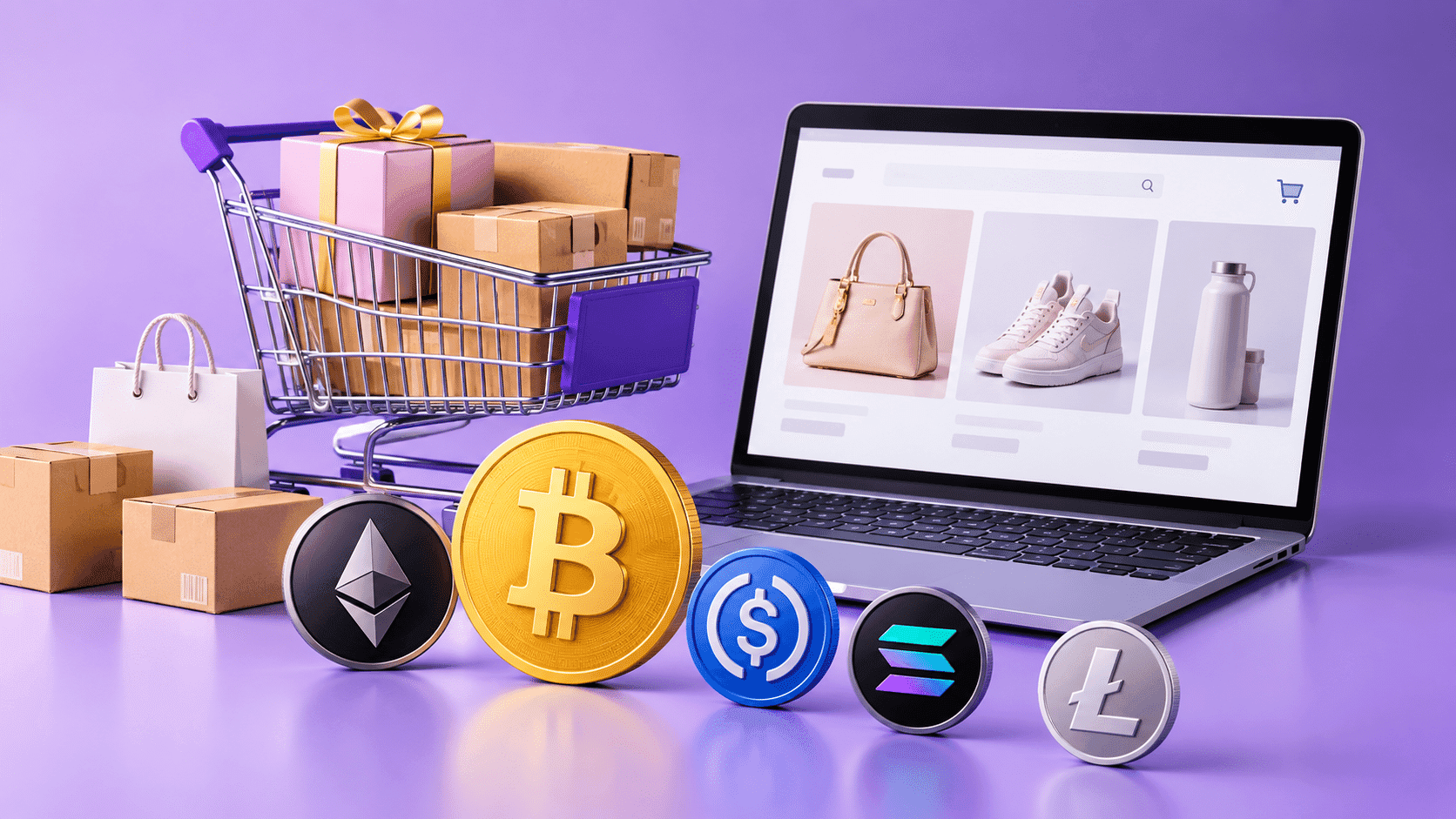
Should your online Shopify store start taking crypto payments? Not long ago, merchants would’ve shrugged at this question. Bitcoin, Ethereum, Solana, XRP, and the rest of altcoins around may have become a substantial part of more and more investors’ portfolios, but few people were actually using them to pay for things. And when people did spend crypto, it usually implied big-ticket items or trips. But as more people learn how to buy Bitcoin and keep it in their wallets, paying with crypto starts to feel less unusual. Merchants have started to pay attention, too. According to a merchant survey conducted by the National Cryptocurrency Association (NCA) and PayPal, almost four in ten U.S. merchants already enable buyers to pay with crypto at checkout. What’s more, the study found that 84% expect crypto payments to become commonplace over the next half a decade. So the question isn’t as much about where crypto payments stand today as it is about where they could be in the near future. For now, they remain a small share of online sales. But adding the option before customers start asking can give the forward-thinking store an edge if demand picks up.

What can a Shopify store gain from accepting crypto?
There must be some serious reasons why merchants are getting on board with crypto since the range of payment options available is already extensive enough, right? The effective integration of this payment option may be a matter of minutes if you opt for one of the few major crypto gateways that Shopify already provides. But once everything is set up, what potential benefits can you expect to reap? Merchants have very practical reasons why they’re upgrading their checkouts with this payment method, and most of them have to do with the underlying technology on which digital currency runs – blockchain.
Blockchain is a distributed, decentralized ledger that logs every transaction that goes through it on a network of computers that no single company has control over. It cuts out many of the middlemen, like banks and card networks, which in turn leads to lower fees and shorter processing delays.
Then, there’s also the upside of fewer fraud disputes and chargebacks. Payments on the blockchain become irreversible once they settle, so stores no longer have to worry about those buyers who claim their order never arrived after they receive it. That takes a big source of losses off the table, especially for those selling digital goods.
How wide a store’s reach is matters as well. With cryptocurrencies like stablecoins, a store can reach those areas with poor card infrastructure, where debit cards often fail international transactions and credit cards are rare.
What to watch out for
As is the case with other modern payments, crypto payments come with their typical share of challenges to consider, too. The first and most evident one is the inherent volatility that cryptos like Bitcoin and altcoins are famous for. These coins' prices can fluctuate significantly between the moment an order is placed and the moment you withdraw your money, and unless you use a crypto gateway that instantly converts crypto to fiat currency, the amount you receive may end up lower than the order’s price. You might also need some specialized accounting tools to report crypto sales, but this depends on your local regulations and whether you want to keep your earnings in digital assets or convert them to fiat.
How crypto fits in a Shopify checkout
Crypto payments let Shopify merchants accept digital currencies at checkout next to the payment methods they already use. You don’t need advanced coding skills to add crypto, as most gateways work alongside cards and other payment methods you may already offer, so your checkout stays the same while customers simply have one more option available to pay.
Bitcoin and Ethereum remain the best-known names since they’re the largest and most established cryptocurrencies. But don’t assume they’re the most used ones at checkouts, though. Many buyers and payments prefer stablecoins like USDT and USDC since their value is pegged to the dollar, and thus the value of the payment stays the same until the merchant receives the money. Next in line are altcoins with smaller market caps than Ethereum, which still have a solid footing in their crypto segment, prevalent examples being Litecoin and Solana. The sheer number of altcoins out there can make it challenging to choose one or several. But a good starting point can be going with proven coins, with a solid track record, low fees, and fast transfers. This is a reason why many merchants on Shopify often favor Solana and Litecoin.
The blueprint for adding crypto at checkout
A third-party gateway app is the go-to choice for the bulk of Shopify stores out there, and most take a few minutes to install from the Shopify App Store. It appears at the checkout as an additional payment option and handles the crypto side of each order paid this way. The gateway creates the invoice for your order and shows the buyer the address and amount they need to pay. Every payment is tied to its own order in order for the platform to know who paid for what. Because Shopify updates the order status automatically, no manual intervention is needed.
How the checkout will look for a customer
Once you enable the crypto payment option, your chosen currency will show up at the checkout, next to credit cards, Apple Pay, and other alternatives you may have. Clients will receive a QR code or a wallet address when they choose to pay like this, which they’ll then have to scan or copy into their wallet, where they’ll approve the payment as a final step. The order is usually marked as paid in the dashboard as soon as the transaction goes through. The process is the same as any other sale, only it runs on the blockchain.

Author
Debutify
Debutify is the easiest way to launch and scale your eCommerce brand.