The ecommerce trends reshaping the sector
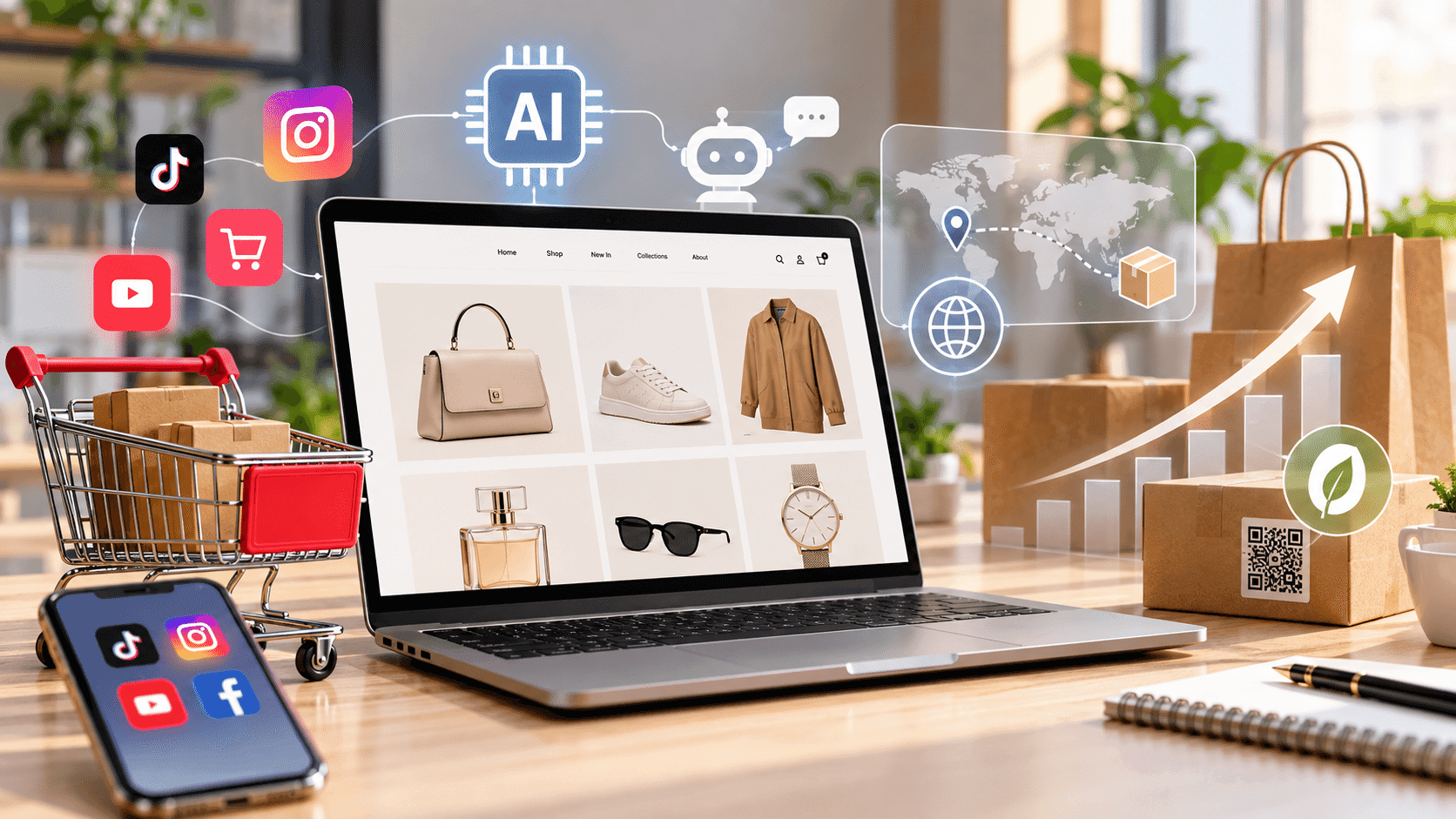
The ecommerce landscape has continued to grow and evolve over the last few years, becoming increasingly broad in reach and more efficient. The landscape keeps on changing though, as part of keeping up with customer demands and an ever-evolving retail ecosystem. As a result, while the previous years were focused on aggressive expansion and following a growth-at-all-costs policy, the market is expected to shift into operational maturity, hybrid experiences, and AI integration now, signifying the beginning of a new chapter.
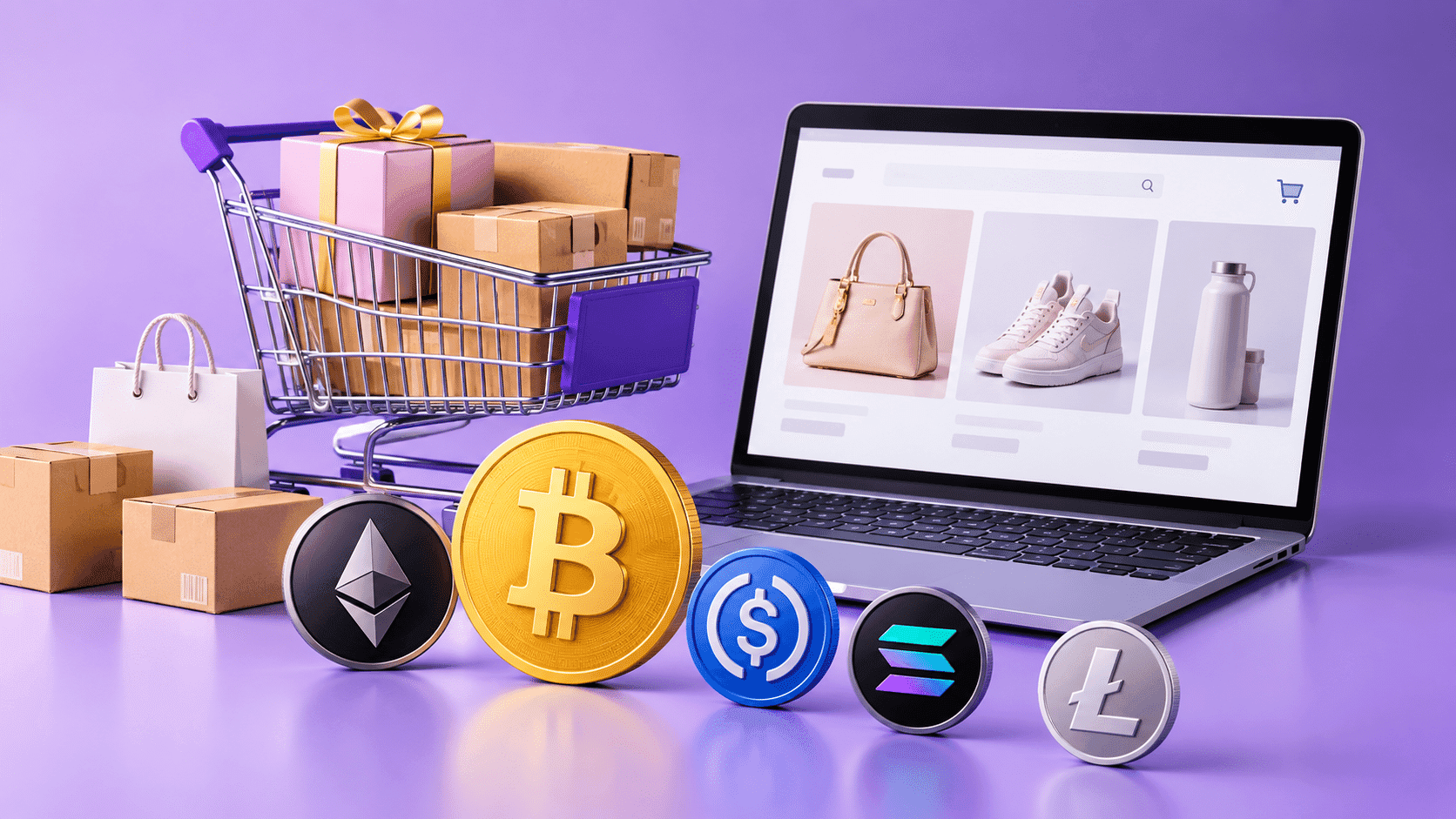
New payment options are integrated too, with those who buy Bitcoin being able to use their tokens to complete checkout payments on several different platforms now. Ecommerce has certainly changed quite a lot since its earliest days, so let’s have a look at the most important industry trends and growth opportunities.

AI infrastructures
The addition of artificial intelligence to the sector shouldn’t come as a surprise to anyone who keeps up with tech trends. AI has been a huge disruptor across many different industry and business areas, with opinions regarding its involvement being divided. While some praise and welcome its abilities others believe that the changes may be too fast and that those who use it might become overly reliant on it and neglect other areas. AI continues to evolve in the ecommerce world, moving from simple chatbots into agentic buying.
This means that virtual assistants and LLMs help discover, compare, and even execute purchases. To use this functionality, the merchants need to optimize their product data for machine readability. This means having clear pricing, specs, and inventory. Almost a third of shoppers say they would be happy to hand over control to artificial intelligence when it comes to shopping, trusting the algorithms to make decisions for them. Most of these shoppers belong to the younger generations, namely Millennials and Gen Z, while among businesses a majority expect shoppers to want the option of buying through virtual assistants in the future.
More flexibility
Ecommerce has grown precisely because it provides flexibility. Instead of browsing through aisles and having to navigate crowded stores you can order items comfortably from home and have them delivered to your doorstep. You can also shop on websites from all over the world with no constraints, so that if something isn’t available locally you can easily buy it from somewhere else. Convenience continues to drive conversions, with around 30% of buyers using out-of-home deliveries and pickup points. More than half of all returns happen out-of-home too.
Cart abandonment rates increase (approaching as much as 70%) when the preferred delivery options or trusted carriers are missing. The main reason behind this is that it gives shoppers more control when they don’t have to wait at home for deliveries or pickups. Consolidating shipments to a single OOH cuts traffic and lowers CO2 emissions by almost 30% per 50 parcels. That is important for sustainability since it is well-known that ecommerce can take its toll on the environment while an ever-growing number of shoppers are interested in green products and solutions.
Increased transparency
More than 70% of shoppers make international purchases. However, barriers such as steep shipping fees and customs complexities remain, deterring some from what could be an even larger market. Clear upfront pricing for taxes and duties is currently a large trust and conversion factor in the sector and many companies are aware of the necessity of investing in these areas. Cross-border ecommerce is driven by tech-savvy consumers and shaped by demands for price transparency.
Cross-border sales account for a growing percentage of all ecommerce shipments, with younger demographics leading international buying. Approximately 53% of Gen Z and Millennials shop cross-border more than once per month. Unfortunately, many businesses have fallen behind when it comes to localizing their platforms with local currencies and language. Unexpected import taxes drive much of the cart abandonment, with a lack of trusted delivery options, restrictions, and delivery limits playing a role too.
Cross-border returns remain expensive and fairly complex too, something that most people don’t want to deal with in case an item doesn’t fit or isn’t how they expected it to be.
DPPs
A DPP or Digital Product Passport is an electronic record that can track the lifecycle, materials, origins, carbon footprint, and repair or recycling instructions through digital identifiers such as QR codes and NFC chips. They are driven by European Union regulations, particularly the Ecodesign for Sustainable Products Regulation, allowing shoppers to review the lifespan, repairability, and environmental impact of a product before they decide whether to purchase it or not.
Ecommerce sellers have to supply machine-readable data here too, including the country of origin, material composition, and compliance certificates. The information is split into the public data that involves the materials and carbon footprint as well as the restricted data for repairers and second-life platforms. Confidential data remains the exclusive domain of regulatory authorities. Phased rollout requirements apply across major value chains, including steel, textiles, aluminum, electronics, iron, and tires, guiding mandatory compliance.
Transparent credentials build customer trust and reduce cart abandonment among shoppers concerned about sustainability, while early adoption ensures better market entry across the European Union, avoiding regulatory penalties or product blocks.
Offline experiences
It might sound ironic that this is a trend in ecommerce but it is true. Digital fatigue is setting in and many buyers feel that they’re bombarded with screens and AI functionality at all times. It’s easy to feel like there’s an overload and to want a break. Brands are turning to micro-events, pop-ups, and community-building to bridge the gap between online discoveries and physical connections too. Physical stores let you touch and test the goods yourself.
In-person shopping provides instant ownership and shipping, a very good thing for those who need immediate gratification and many physical stores have evolved to include workshops, interactive displays, and unique events.
In conclusion
Companies have to keep up with customer demands if they want to remain profitable. In a fast-paced environment such as ecommerce where things are changing all the time there’s even more of an incentive to keep up with the changes. Companies need to keep track of what’s going on in the ecosystem and find ways to apply these findings to their own strategies.
Most importantly, brands must know what their customers expect from them as it is the best way to drive value over the long term. Keeping the customers happy will always yield results.

Author
Debutify
Debutify is the easiest way to launch and scale your eCommerce brand.


Social commerce
The concept of social commerce refers to the selling of products directly through social media. It is rapidly becoming more popular in the retail ecosystem, projected to surpass the $1 trillion milestone in market value. Platforms like TikTok Shop or YouTube Shopping have normalized in-app checkouts. Some users have started bypassing standard search engines, with product searches being done directly on social media feeds. At the same time, many users still migrate to the brand websites or marketplaces in order to finalize their purchases.
More than 60% of businesses sell through social media, but only around 45% of shoppers complete their checkouts in the apps too. Content creation is often seen as more trustworthy among the younger generations compared to classic ads, leading companies to shift from celebrities to influencers when designing their campaigns, aiming for higher engagement and what is perceived to be as improved authenticity.