The Role of Physical Security in Supply Chain Trust
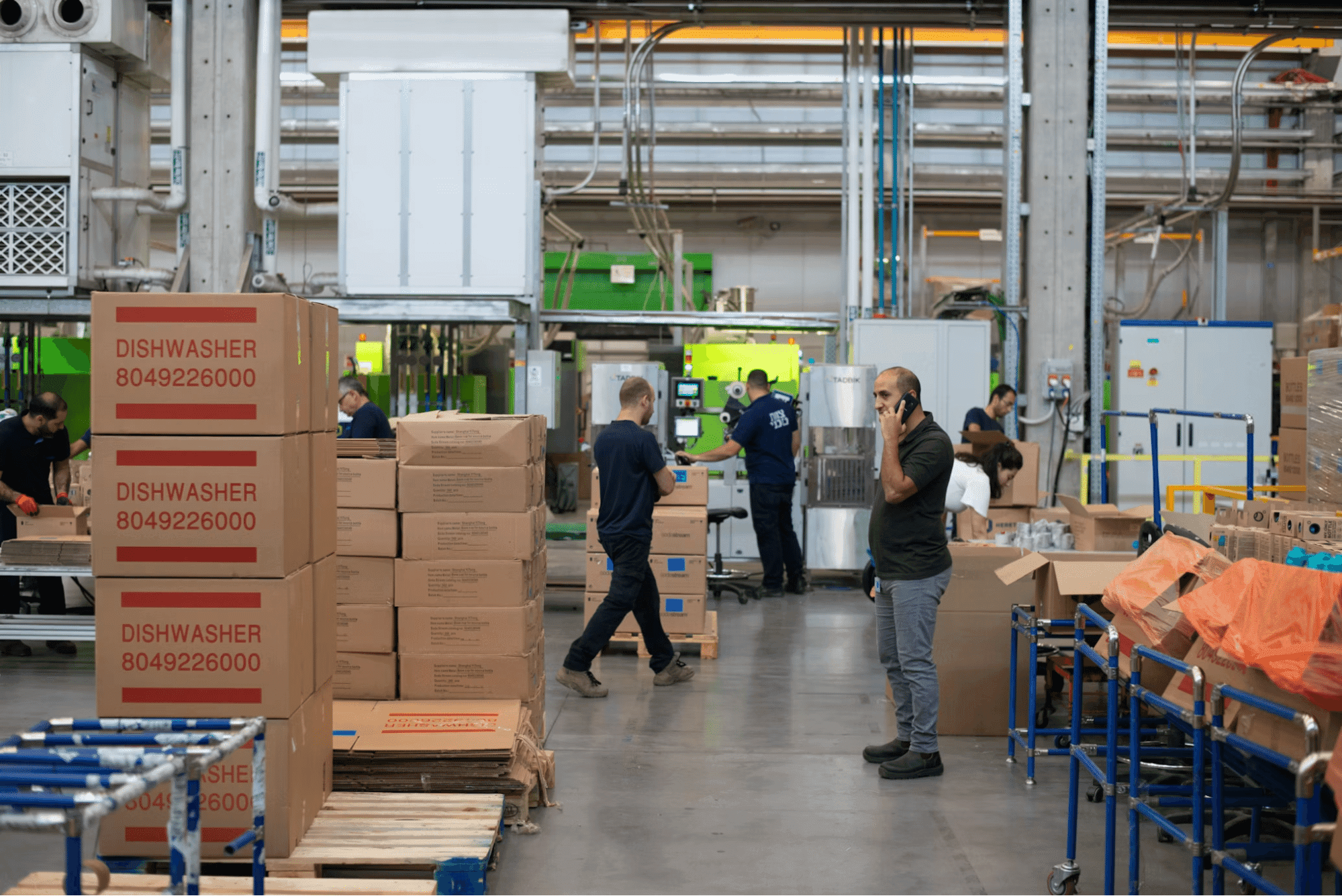
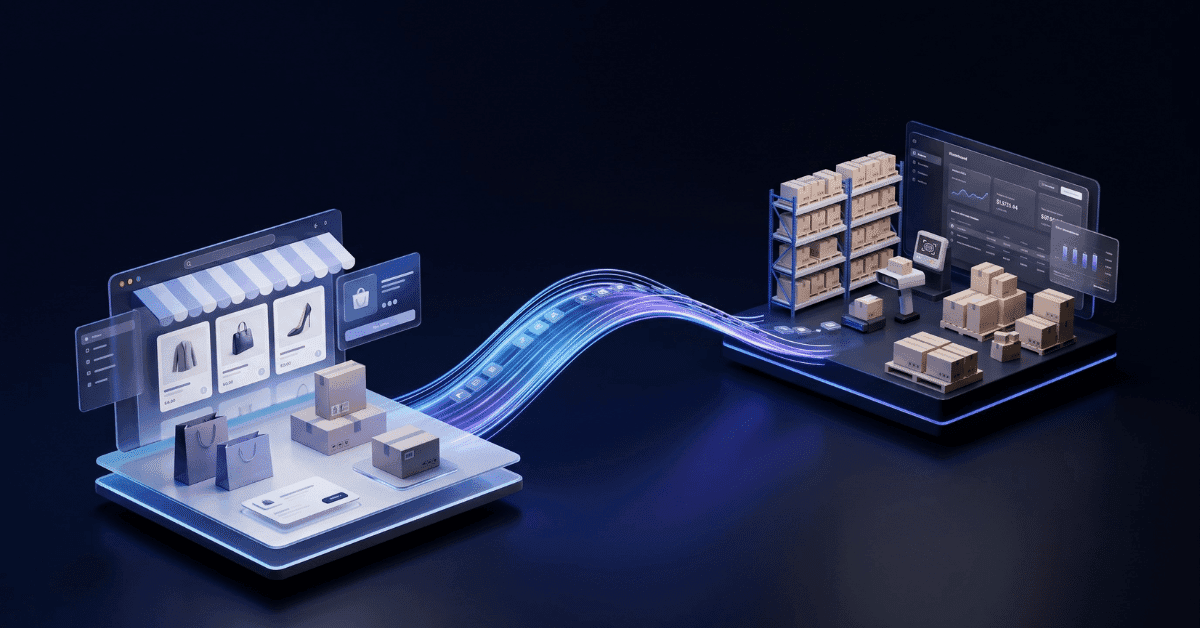
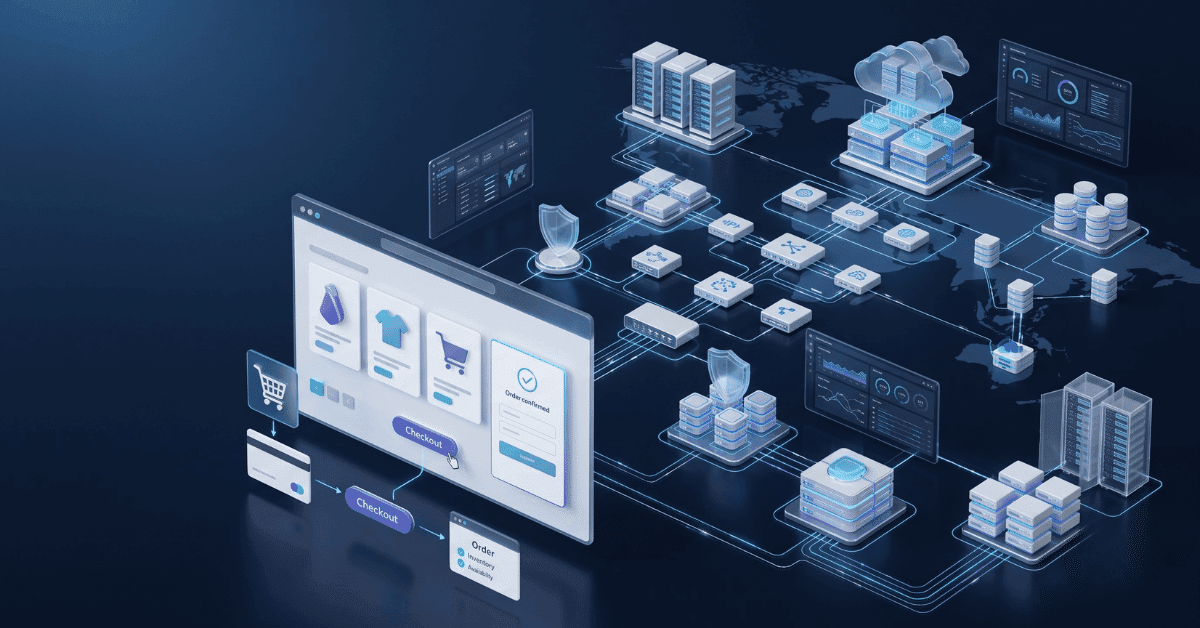
Supply chain trust depends on knowing where goods are, who can reach them, and how each facility responds when something goes wrong, which is why supply chain mapping matters. Digital tracking provides part of that picture, but physical security protects the warehouses, distribution centers and loading areas where inventory changes hands.
A coordinated security program gives ecommerce operators clearer records, fewer unexplained losses and more reliable fulfillment. That connection matters because supply chain security affects daily operations and long-term business resilience.
Why Supply Chain Transparency Matters
Transparency allows a business to trace products from receiving through storage and dispatch. Strong supply chain transparency also helps teams identify where delays, damage or inventory discrepancies occurred.
Physical security records add context to inventory data. Time-stamped entry logs, visitor records, and video tied to operational events can show who entered a restricted area before a stock adjustment. For example, if 20 units disappear between receiving and shelving, managers can compare scan times with facility access records.
Create a clear chain of custody for high-value inventory. Assign responsibility at every handoff, record exceptions immediately and retain security records according to a documented schedule.
Protecting Inventory and Assets
Inventory protection starts with dividing a facility into risk-based zones. Public reception areas may require basic visitor management, while stockrooms, returns areas and server rooms need tighter permissions. Employees should receive access only to the locations required for their work.
Security teams can configure an access control system to manage facility entry, support map-based monitoring and automate parts of incident response. Centralized dashboards can also help enterprise teams review activity across several sites.
Pair access permissions with sound operating procedures. Run monthly checks for propped doors, damaged readers and inactive employee credentials. Review permissions whenever someone changes roles and remove access promptly when employment ends.
Ensuring Secure Access to Facilities
A badge or mobile credential creates an accountable entry record, but credential management determines how useful that record will be. Shared badges, delayed account removal and unrestricted contractor access can leave significant gaps.
Require individual credentials and set expiration times for temporary visitors. For example, a maintenance technician scheduled from 9 a.m. to noon shouldn’t retain access for the rest of the week. Visitors should check in, show identification, and stay within approved zones.
Facility teams also need a response plan for denied entries and unusual access attempts. Define who receives an alert, how quickly they must investigate and when operations managers should become involved. Test that process during routine drills so employees understand their responsibilities before a real incident occurs.
Reducing Shrinkage and Disruptions
Shrinkage often appears as a gradual mismatch between recorded stock and physical counts. Frequent cycle counts can reveal patterns early, while security data can help identify the source. Compare discrepancies by location, shift, product category and transaction type.
Operational design matters too. Keep receiving and dispatch activities physically separated when possible, clearly mark staging areas, and limit how long outgoing orders remain unattended. For an e-commerce warehouse processing 1,000 parcels per day, even a small error rate can create dozens of customer service cases each week.
Track a few practical measures, including unexplained inventory adjustments, unauthorized entry attempts and the time required to resolve incidents. Review trends monthly and assign corrective actions with named owners and deadlines.
Impact on Customer Delivery Promises
Customers experience physical security through delivery performance. Missing stock can lead to canceled orders, split shipments and inaccurate availability messages. A restricted loading area or unresolved facility incident may also delay carrier pickups, even when the storefront continues accepting orders.
Connect security events with warehouse and order management workflows. If access to a packing area becomes unavailable, the operations team should know which orders are affected and update delivery estimates quickly. Accurate communication protects customer trust when a delay can’t be avoided.
Start by mapping the physical path of one order, from receiving to carrier handoff. Each unrecorded transfer or loosely controlled area marks a specific place where security improvements can protect the delivery promise displayed at checkout.

Author
Debutify
Debutify is the easiest way to launch and scale your eCommerce brand.