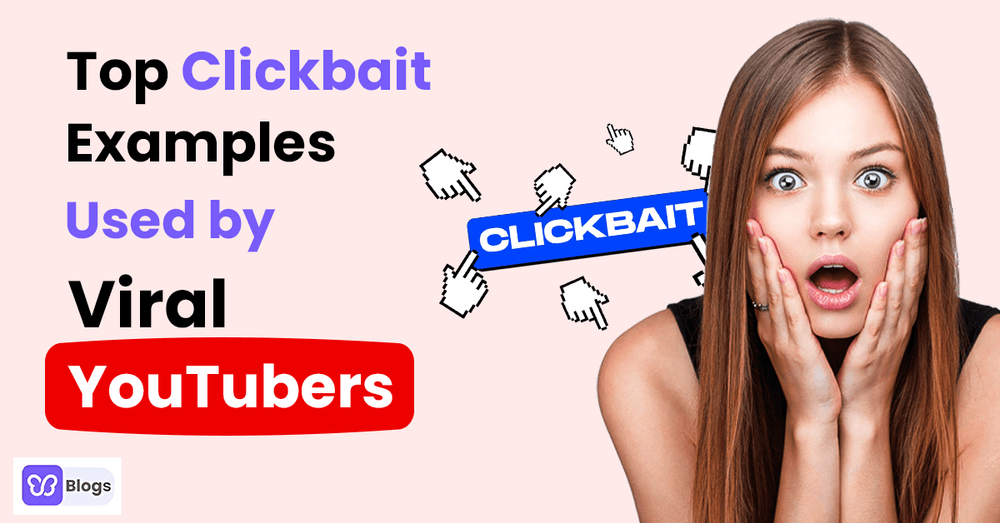
Top Clickbait Examples Used by Viral YouTubers
Have you ever opened YouTube for just five minutes and somehow ended up watching ten videos you didn't even plan to click? That's not an accident. That's title psychology at work. Viral YouTubers don't rely on luck. They understand how people think, how curiosity works, and how fast decisions are made while scrolling. The result is titles that feel impossible to ignore. This article breaks down how viral creators use clickbait without lying, and how you can borrow the same mechanics honestly.
What Clickbait Really Means on YouTube (Not the Bad Version)
Clickbait on YouTube doesn't automatically mean lying. At its core, clickbait is about curiosity, not deception. It's the difference between promising something and delivering it, and promising something and disappointing the viewer. Viral creators stay on the right side of that line. They tease the outcome but save the explanation for the video itself. That's why people keep trusting them, and keep clicking.
Why Clickbait Titles Perform Better Than “Descriptive” Ones
Here's the uncomfortable truth: clear, boring titles don't win on YouTube. Most viewers aren't searching carefully. They're scrolling fast, and the brain decides in seconds. Titles that spark emotion or mystery simply win that battle. Clickbait works because it creates an open loop in the brain, triggers curiosity or fear of missing out, and feels personal instead of informational. People don't click titles. They click questions they want answered.
Why These Titles Feel Human (Not Salesy)
Notice what these titles don't do. No exaggerated numbers. No fake promises. No keyword stuffing. No shouting in all caps. They sound like something a real person would say out loud, and that's why they work. When a title feels conversational, it lowers skepticism instead of raising it.
Mistakes That Make Clickbait Backfire
Not all clickbait is good clickbait. Common mistakes include promising results the video never shows, exaggerating emotions that aren't real, using the same vague phrasing repeatedly, and copying viral titles without context. Audiences are smarter than most creators think.
How to Write Better YouTube Titles Without Sounding Fake
If you want more clicks without losing credibility:
- Write titles like you talk
- Tease outcomes, not conclusions
- Focus on one emotion per title
- Read your title out loud before publishing
If it sounds awkward when spoken, it won't work when scrolled.
FAQs
Is clickbait bad for YouTube growth? No. Misleading clickbait is bad, while honest curiosity-driven titles help growth. Do small channels benefit? Yes, because strong titles help unknown creators compete with bigger ones. How long should a title be? Usually 40 to 60 characters works best. Can clickbait hurt watch time? Only if the video fails to deliver on the title. Do viral creators still use clickbait? Yes, but they treat it as a promise they always keep.
Clickbait isn't the villain of YouTube. Boring titles are. Viral YouTubers succeed because they understand people, not because they trick them. The best titles don't shout for attention; they quietly pull it. If you respect your audience, deliver real value, and write titles that spark curiosity instead of hype, clicks come naturally.

Author
Debutify
Debutify is the easiest way to launch and scale your eCommerce brand.