Brick and Mortar Business: Definition, Types, and How to Go Online
A brick and mortar business is still one of the most important models in retail, even as online shopping keeps growing. In 2019, brick-and-mortar stores accounted for 84% of retail sales, showing that physical stores remain central to how many consumers purchase products and services.
This guide explains the definition, types, economics, and online transition strategy for physical retail, including how modern retailers blend online and physical worlds in an omnichannel strategy.
What is Brick-and-Mortar? (Quick Answer First)
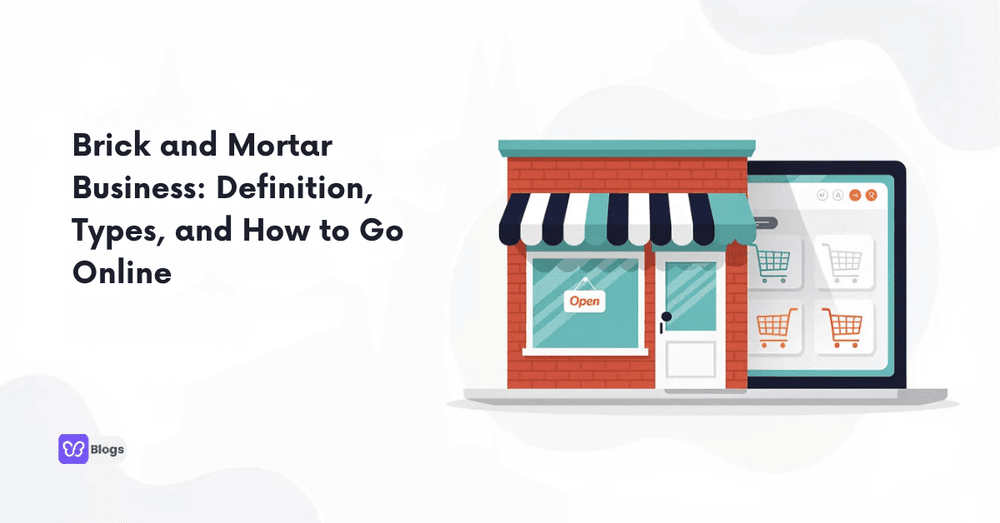
What is brick-and-mortar? A simple brick and mortar definition business is a company that operates from at least one physical location where customers shop in person, speak with employees, inspect items, and make a purchase on-site.
A brick and mortar store could be Target, Walmart, a local bookstore, a salon, a gym, or an auto repair shop. These brick and mortar establishments have opening hours, a local customer base, and a physical presence that builds local credibility in retail.
Unlike online only retailers, sales in brick-and-mortar retail are limited by geographic reach, restrictive operating hours, and local foot traffic. Sales in physical stores stop when doors are closed, while online stores prioritize digital reach and low overhead costs. Still, brick-and-mortar stores provide a tangible shopping experience, face-to-face interaction with employees, and visual confirmation that reduces buyer remorse in physical sales.

How Brick-and-Mortar Retail Works in Practice
Imagine a neighborhood café at the beginning of the day. Employees unlock the building, stock the display case, prepare the register, arrange tables, and attract passersby with fresh coffee smells. The shop is typically built around a visible storefront, a checkout area, and a layout that helps customers move from browsing to buying.
A brick and mortar retail business must lease a location, design the store, hire staff, manage hours, and serve customers in person. Shoppers can touch and try items in physical stores, ask questions, and receive immediate gratification with no shipping delays.
Running a brick-and-mortar business faces challenges like high overhead costs. Physical stores incur costs for every hour they are open, including employees, lighting, utilities, security, and cleaning. Fixed costs like rent remain constant regardless of sales volume, while variable costs include packaging, payment fees, and inventory.
Technology now supports this model. POS systems, loyalty programs, and automated BI tools improve inventory management accuracy for retailers, while physical stores must invest in tech to track customer behavior more effectively. Digital signage software also helps retailers update promotions and product information across locations.
Common Types of Brick-and-Mortar Stores
Brick and mortar stores include everyday retail stores, grocery stores, clothing stores, specialty stores, service providers, and luxury products showrooms. Each format handles inventory management, staffing, product availability, and customer experience differently.
Many brick and mortar shops are also becoming hybrid ecommerce brick and mortar operations, where the physical storefront supports online sales, pickup, returns, and local delivery.
Grocery Stores and Supermarkets
Grocery stores primarily sell food and household necessities, from fresh produce to dairy, frozen items, and basic needs. Kroger, Tesco, Publix, and local co-ops show how this retail business can range from a neighborhood market to a large chain.
Inventory management is difficult because produce, meat, and dairy can spoil quickly. Refrigeration, food safety compliance, and large floor space create major fixed costs, especially in colder climates where heating adds more expense.
Many grocery brick and mortar stores going online now offer curbside pickup and delivery. In 2020, 10.4% of the grocery market was pickup services, proving that grocery shopping is becoming a hybrid of store visits and online ordering.
Convenience Stores
Convenience stores are small brick and mortar shops designed for speed, proximity, and impulse purchases. 7-Eleven and Circle K sell everyday products and impulse items such as snacks, drinks, tobacco, lottery tickets, and OTC meds.
Because these shops have tight space, inventory management must prevent stockouts on core items. Many convenience stores also use e commerce partners like DoorDash or Uber Eats to serve busy consumers who want fast access without visiting the store.
Department Stores
Department stores offer multiple departments for various needs, including clothing, cosmetics, home goods, and electronics. Macy’s, Galeries Lafayette, and El Corte Inglés helped shape urban shopping culture in many cities.
These brick-and-mortar retailers manage broad assortments, seasonal displays, and high-cost mall or city-center locations. Many department stores now support brick and mortar stores going online through apps, loyalty programs, returns counters, and unified online store catalogs.
Discount Stores and Extreme Discount Chains
Discount stores offer quality products at affordable prices by simplifying décor, reducing service frills, and controlling supply chains. Dollar General, Aldi, and B&M focus on food, home goods, seasonal items, and basic needs.
Their advantage comes from lower costs, lean staffing, and careful inventory management. Compared with premium brick and mortar competitors, discount merchants keep the store simple so they can sell more at sharper prices.
Luxury Boutiques and Flagship Stores
Luxury boutiques and flagships sell luxury products from brands such as Louis Vuitton, Gucci, and Rolex. These physical locations invest heavily in design, service, and atmosphere.
Their fixed costs are high, but the brand value is higher too. Customers want to feel fabrics, try watches, receive styling advice, and enjoy a personal customer experience that an online business cannot fully recreate.
Specialty and Niche Brick-and-Mortar Shops
Specialty stores focus on specific themes or consumer needs, such as running shoes, comics, pet products, records, or home décor. Drugstores focus on health and beauty products, making them another specialized mortar store category.
These local businesses win through expertise and community. A running shop might host weekly runs, while a comic shop might run launch events. Many specialty stores now use brick and mortar to e commerce tools like appointment booking, local delivery, and synchronized catalogs.
Economics of Brick-and-Mortar: Costs, Margins, and Inventory
A brick and mortar business has a different cost structure from an online business. Physical stores incur high overhead costs including rent and utilities, insurance, property taxes, repairs, signage, fixtures, and employees. Brick-and-mortar stores face high operational costs compared to e-commerce, and stocking shelves in physical retail requires upfront capital.
Fixed costs for brick-and-mortar businesses remain constant regardless of sales. If rent is $6,000 a month, the company owes that money whether it makes 100 sales or 1,000. This is why sales in physical stores are limited to foot traffic and why foot traffic in physical stores depends on location.
Inventory risk is another pressure. Retailers must balance selection with shelf space, reduce shrinkage from theft or damage, and avoid tying up too much money in unsold goods. According to the U.S. Bureau of Labor Statistics, about 70% of new startup businesses fail within the first 10 years, and 70% of new startups fail within the first 10 years partly because many underestimate cash flow, overhead, and inventory costs.
Brick-and-Mortar vs E-Commerce
Brick and mortar retail is based on physical presence, local trust, and in-person experience. E commerce allows for global reach and 24/7 operations, while online sales have lower overhead costs than physical stores.
Online shopping is more convenient for busy consumers today, and customer behavior is easily analyzed in online stores through clicks, carts, searches, and conversion paths. But customers cannot inspect items before buying online, which can increase disappointment. High return rates for apparel can exceed 30% in e-commerce, while tactile experiences before purchasing significantly reduce return rates.
Physical stores provide immediate possession, service, and trust. Online retailers offer scale, access, and speed. The strongest model often depends on what the company sells, how shoppers compare options, and how important touch, fit, freshness, or personal advice is to the purchase.
Click-and-Mortar: Blending Online and Offline
Click-and-mortar means a business operates both physical stores and online channels. This is the modern middle ground between a traditional shop and a pure online store.
The key difference in click and mortar vs brick and mortar is channel reach. A pure physical shop serves customers who visit the location, while a click-and-mortar business can sell through a website, app, marketplace, and physical locations.
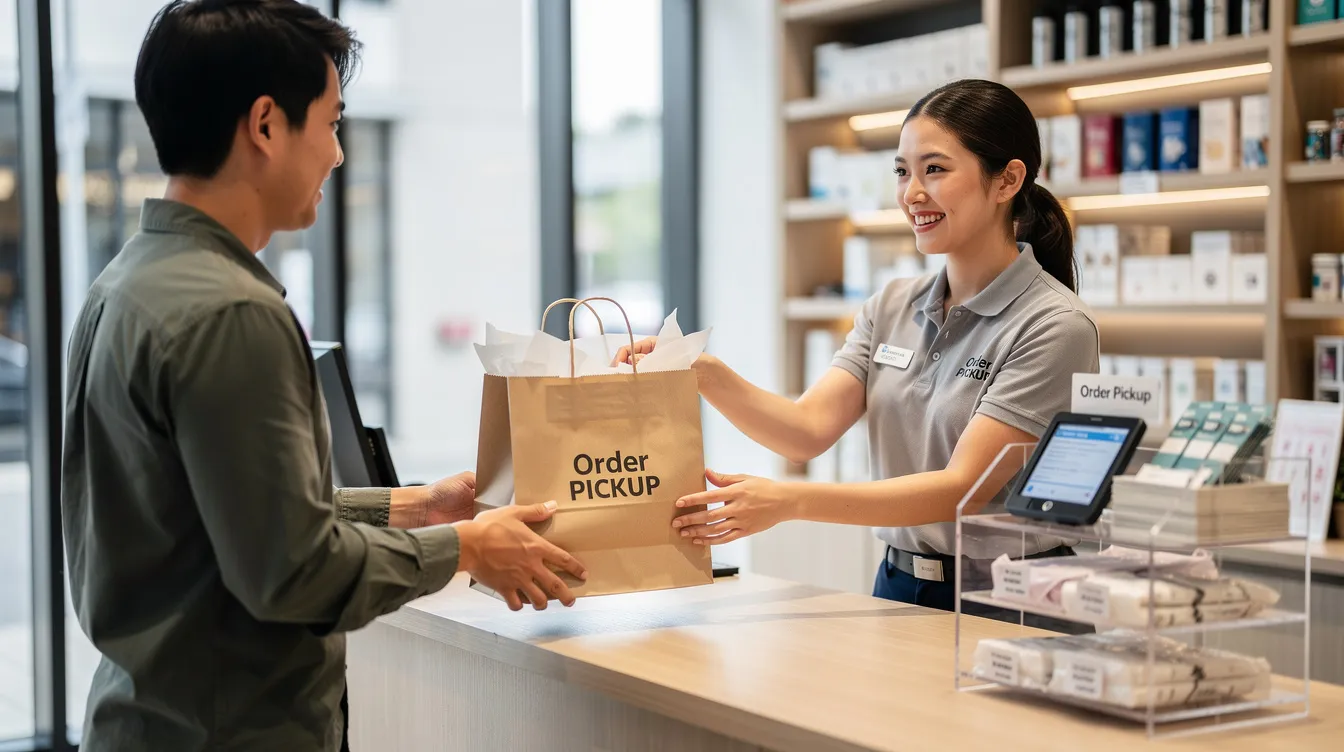
Offering buy-online-pick-up-in-store increases customer convenience, and physical storefronts serve as logistics centers for e-commerce. Modern businesses utilize an omnichannel approach for retail sales, combining local pickup, delivery, returns, loyalty accounts, and subscriptions such as grocery boxes or meal kits.
Moving from Brick and Mortar to Online: Step-by-Step
If you are moving from brick and mortar to online, start with research. Study customer expectations, competitor websites, marketplace fees, shipping requirements, and whether your products are better suited to Amazon, Etsy, Shopify, WooCommerce, or a click-and-mortar model.
A smart brick and mortar to e commerce transition begins with a digital catalog. Photograph products, write descriptions, confirm prices, and connect inventory management so online and in-store stock match. Product availability must be accurate because customers lose trust quickly when an item appears available but is not.
Next, plan fulfillment. Decide whether customers can buy online and pick up in store, receive local delivery, or ship nationally. Add return rules, packaging, customer support, and space for pickup orders. Many brick and mortar stores going online redesign part of the shop as a small logistics block.
Control fixed costs during the shift. Avoid expanding too quickly, renegotiate leases if possible, and train employees to handle both online and in-person services. A good ecommerce brick and mortar strategy uses the existing location to create more sales rather than simply adding more expenses.
How to Make a Brick and Mortar Business Thrive Today
Brick-and-mortar retailers are still viable when they adapt. Physical stores are evolving into experiential hubs, and experiential retail engages shoppers through interactive environments such as classes, demos, tastings, workshops, and community events.
Digital marketing can effectively promote brick-and-mortar businesses. Local SEO helps brick-and-mortar stores gain visibility, while Google Business Profile updates, reviews, social media, and email can drive foot traffic to a brick and mortar store. Unique in-store events can attract customers to brick-and-mortar stores and strengthen loyalty.
In-person customer service builds brand loyalty in retail. Train staff to cross-sell, answer questions, and use mobile tools. Mobile POS systems allow sales anywhere in the store, and in-store digital signage can present real-time information to customers, such as promotions, wait times, or product details.
Track practical metrics. Sales per square foot, conversion rate, average ticket size, repeat visits, and shrinkage matter in physical retail, while e commerce KPIs focus more on traffic, cart abandonment, acquisition cost, and conversion rate.

FAQ: Key Questions About Brick-and-Mortar and Online Retail
1. What is brick-and-mortar?
What is brick-and-mortar? It is a business model based on at least one physical location where customers visit in person. Examples include retail stores, salons, gyms, grocery stores, and service centers.
2. What is a brick and mortar business?
A brick and mortar business sells products or services from a physical building. Customers can walk in, speak to employees, inspect products, and complete the purchase face-to-face.
3. What is the difference between click and mortar vs brick and mortar?
Click and mortar vs brick and mortar compares hybrid selling with physical-only selling. Brick and mortar depends mainly on local visits, while click-and-mortar combines a store with online sales, pickup, delivery, and digital customer data.
4. Does moving from brick and mortar to online mean closing the store?
No. Moving from brick and mortar to online often means keeping the store while adding digital channels. Many retailers use an ecommerce brick and mortar strategy so customers can shop however they prefer.
5. Are fixed costs higher in a brick and mortar store?
Yes. A brick and mortar store usually pays rent, utilities, insurance, fixtures, and staff costs before making a sale. Online stores often have lower overhead, but they still pay for platforms, advertising, fulfillment, returns, and support.
6. Can small brick and mortar stores going online compete with Amazon?
Yes, but not by copying Amazon. Small merchants can win with niche products, local trust, fast pickup, expert advice, and community relationships.
7. What are the biggest advantages of physical stores?
The biggest advantages are trust, service, immediate possession, and sensory shopping. Customers can see, touch, try, smell, or test products before purchasing products, which helps reduce returns and hesitation.
8. What should a brick and mortar store do first to go online?
Start with the products customers already ask for most. Create clear product pages, connect inventory, offer buy online pickup, and use local SEO to bring new customers from search into both the online and physical store.
A brick and mortar business does not need to choose between the past and the future. The strongest retailers use their location, people, customer experience, and online tools together. Start by improving one channel, connect it to the next, and build a retail business that serves customers wherever they are.

Author
Debutify
Debutify is the easiest way to launch and scale your eCommerce brand.