IaaS, PaaS, SaaS: What the Cloud Stack Teaches Stores About Renting Capability
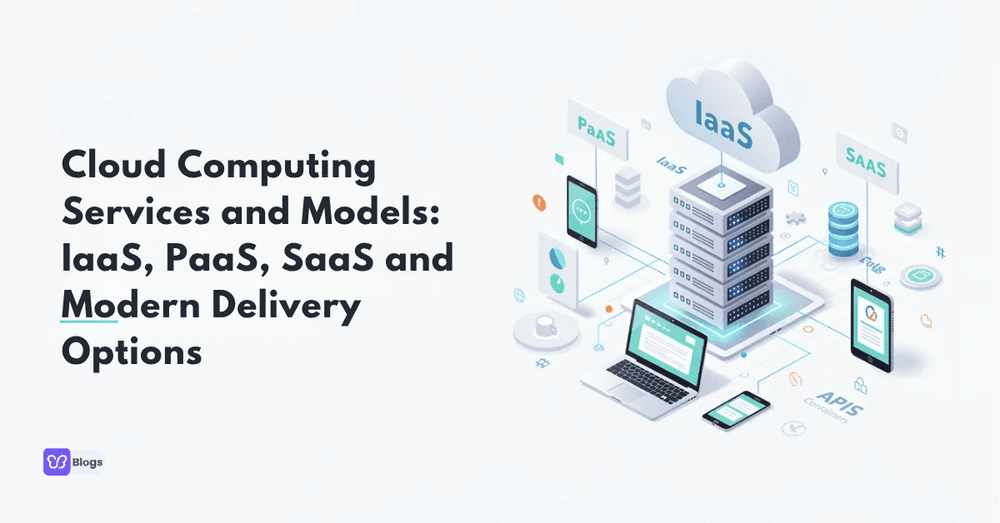
Cloud computing services and models define how organizations access servers, networking, storage, and computing power over the internet on demand. Cloud computing is now the default way businesses run, and the choice between models shapes everything about cost, control, and speed.
The reason a business owner should understand the models is that every store already lives inside them. The theme is SaaS. The apps are SaaS. The payments run on someone else's servers. Understanding the layers is how you understand what you actually control.
Core Models of Cloud Computing: IaaS, PaaS, SaaS
The three models form a ladder of delegation. IaaS rents the raw machines. PaaS adds the platform those machines run on. SaaS delivers the finished application, like Salesforce, ready to use. Each rung trades control for convenience, and the right rung depends on what the business actually does with that layer.
The ladder shows up everywhere in commerce. A CRM, an email platform for marketing automation, and the flows that handle customer onboarding are all rungs on the same ladder, each one a decision about what to own and what to rent.
The store insight is that the ladder is not technical. It is strategic. Every tool in the stack represents a rung you chose, and the collection of choices is what decides how fast you can move and how much you actually control.
Understanding the Difference Between IaaS, PaaS, and SaaS
The cleanest way to separate them is by the question each one answers. IaaS answers: where does the software run? PaaS answers: how does it get built and deployed? SaaS answers: how does it get used? Each model serves a different buyer with a different problem.
For a store the questions translate directly. Where does my data live? How do my tools get connected? And how does my team use them every day? Most owners only think about the third question, which is why the first two surprise them on the day something breaks, migrates, or triples in price.
Manage tasks such as Windows patch management, firewall configuration, and backups. The cloud provider manages the underlying hardware and hypervisor.
Cloud Deployment Models: Public, Private, and Hybrid Cloud
Beyond the service models sit the deployment models. Public Cloud services offer shared infrastructure at commodity prices. Private cloud offers dedicated control at a premium. And hybrid mixes them, which is what most serious operations end up running.
The giants set the pattern. AWS dominates public infrastructure, while regulated industries keep the sensitive parts private. The same split governs how stores think about data: the customer lifecycle management data deserves more protection than the blog comments.
The deployment lesson for stores is about data tiers, not servers. Not all information deserves the same protection, and the businesses that sort theirs into tiers protect what matters without paying premium prices for everything. The discipline is deciding what deserves the private treatment before the incident decides it for you.
Extended and Emerging Cloud Service Models
The ladder keeps growing. Serverless computing rents execution itself. Functions as a service handle single tasks. And the tooling around web app development keeps absorbing work that used to require a team.
The direction matters more than the names. Each new model automates one more layer that someone used to manage by hand, and the trend line points at a world where small teams run capabilities that used to require departments. Stores benefit from that trend whether they notice it or not, but the ones that notice it move faster.
Real-World Use Cases and Industry Scenarios
The use cases read like a tour of modern business. Streaming that scales with the audience. Retail that survives the holiday spike. Healthcare that keeps records compliant and available. In every case the cloud model was chosen to match the failure mode the business could least afford.
That last point is the transferable one. The right model is the one matched to your worst plausible day. A store's worst day is Black Friday traffic and a payment outage, so those are the scenarios the stack should be chosen for. Buy the insurance where the risk lives, and save money everywhere else.
How to Choose the Right Cloud Computing Model for Your Organization
Choosing comes down to three questions. What must you control, what can you rent, and what happens when the vendor changes the deal? Teams that manage cost at scale usually lean on dedicated cloud cost optimization services, because the bill is where the model choice becomes real.
- Map each capability in your stack to the rung it rents.
- Tier your data by sensitivity before something forces you to.
- Choose for your worst plausible day, not your average one.
- Read the exit terms of every service that holds your data.
- Review the stack quarterly, because needs drift faster than bills.
- Keep one person accountable for what you rent and what it costs.

Author
Debutify
Debutify is the easiest way to launch and scale your eCommerce brand.