Amazon Selling How To: Complete Guide to Start Selling on Amazon in 2026
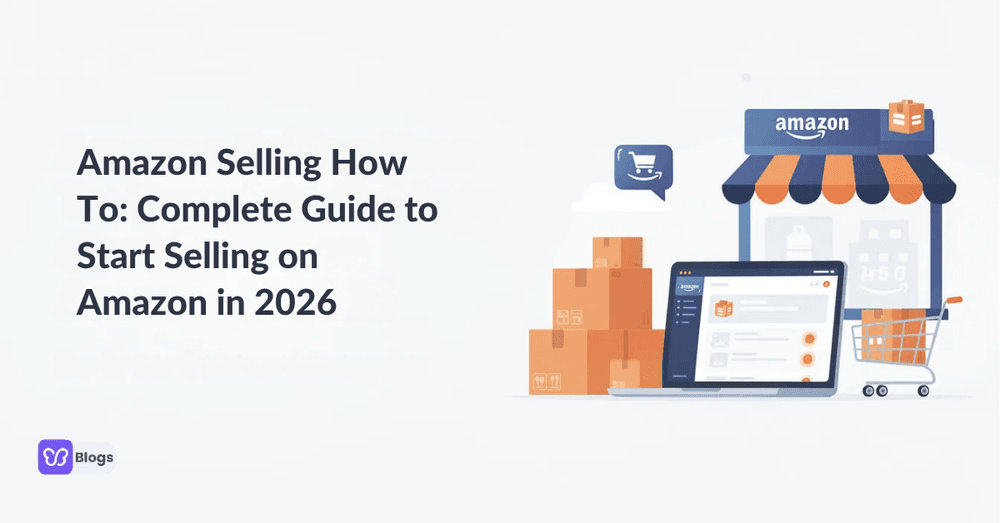
Starting an online business in 2026 means understanding where customers actually shop. With hundreds of millions of active buyers worldwide, Amazon remains the dominant force in e-commerce. This guide is for aspiring entrepreneurs, side-gig seekers, and established retailers looking to start or grow their business on Amazon in 2026. It covers everything from account setup and product research to fulfillment, marketing, and scaling your brand. This comprehensive guide walks you through amazon selling how to from account creation to scaling across multiple marketplaces.
Quick Answer: Amazon Selling How To (Fast-Start Overview)
Amazon selling how to in 2026 means following a proven path that thousands of independent sellers use daily. Whether you’re asking how become amazon seller or exploring becoming seller on amazon as an additional revenue stream, the fundamentals remain consistent.
Here’s your fast-start checklist:
- Research products using Amazon’s Best Sellers list and Product Opportunity Explorer
- Create an amazon seller account (Individual or Professional plan)
- Source inventory from suppliers like Alibaba, wholesalers, or through retail arbitrage
- List products with optimized titles, images, and descriptions
- Choose fulfillment: Fulfillment by Amazon (FBA) or handle logistics yourself (Fulfilled by Merchant, FBM)
- Launch amazon ads and optimize based on performance data
Amazon operates as a global amazon e commerce platform run by amazon corporation, with marketplaces spanning North America, Europe, Asia-Pacific, and the Middle East. This means become seller in amazon once, and you can eventually reach customers worldwide.
Why Use Amazon for Selling in 2026?
Entrepreneurs choose amazon for selling because building standalone websites requires driving all your own traffic. Amazon already has the customers—your job is reaching them.
The scale is remarkable: more than 60% of sales on Amazon involve independent sellers, most of them small and midsize businesses. This isn’t a platform dominated by Amazon itself; it’s a marketplace where new brands compete and win daily.
Key advantages of amazon marketplaces:
- Access to Prime members who expect free, two day shipping
- Built-in customer trust from amazon corporation‘s buyer protection policies
- International expansion without building local logistics infrastructure
- Multiple seller profiles supported: private label brands, wholesalers, side gig sellers, and established retailers

What You Need to Become an Amazon Seller
Understanding how become amazon seller starts with gathering the right documents before touching Seller Central.
Basic eligibility requirements:
- Residency in an Amazon-approved country (some exceptions exist—Russia and Belarus remain restricted as of early 2026)
- Valid government-issued ID and proof of residency
- Internationally chargeable credit or debit card
- Bank account details for payouts
- Tax information (SSN/EIN in US, VAT in EU, GST in India)
To avoid delays in registering to sell, gather all necessary documentation beforehand. Account hygiene is crucial—changes to bank or credit card information can trigger a fraud alert, leading to account suspension.
You can register as an individual or formal business entity (LLC, corporation, sole proprietorship). Many sellers form an LLC for liability protection and potential tax benefits.
How to Become an Amazon Seller: Step-by-Step Process
The path to become seller in amazon involves eight connected stages:
Define your business model and niche
Research products and suppliers
Select your selling plan
Register your seller account
Configure your store profile
Choose fulfillment options
Launch, advertise, and scale
Motivated sellers with existing products can go from idea to first live listing in 2-4 weeks. Let’s break down the critical first steps.
Step 1: Choose Your Amazon Business Model and Niche
Before creating any listing, decide which model fits your budget and goals:
Private label: Create your own branded products (highest margins, most capital required)
Wholesale: Buy from authorized distributors at bulk pricing
Retail arbitrage: Source discounted products from stores for resale
Handmade: Sell items you personally create
Print-on-demand: Low-risk testing with no upfront inventory
Conduct market research using tools like the Amazon Best Sellers list to find high-demand, low-competition niches. Focus on product category options like home & kitchen accessories, fitness gear, or phone accessories where margins support profitability.
Step 2: Select an Amazon Selling Plan
Amazon offers two types of seller accounts: individual and professional, with the major difference being their fee structure and the services provided.
Plan | Monthly Fee | Per-Item Fee | Best For |
|---|---|---|---|
Individual | $0 | $0.99 per item | Testing ideas, <40 units/month |
Professional selling plan | $39.99 | $0 | Serious sellers, 40+ units/month |
The professional selling plan provides access to bulk listing tools, amazon ads, detailed reports, and Buy Box eligibility. Many sellers start Individual and upgrade once volume justifies the subscription.
Beyond the selling plan fee, all seller accounts pay referral fees on each sale, typically ranging from 3% to 45% depending on the product category, with a minimum fee of 30 cents in most categories.
Step 3: Register Your Amazon Seller Account
To create an amazon seller account:
Visit sell.amazon.com (or the equivalent for your target marketplace like amazon.co.uk or amazon.de) and click the registration button. You’ll enter your legal name, business name, address, bank details, and complete a tax interview.
Identity verification requires uploading your ID and possibly utility bills. Approval can take hours to several days depending on document clarity. Once approved, activate two-step verification immediately—seller accounts represent significant financial value.
Step 4: Configure Your Seller Profile and Storefront
After approval, configure your amazon store settings:
Seller display name and business logo
“About Seller” biography explaining your brand
Customer service email and phone for each marketplace
Shipping templates and return policies (for FBM sellers)
Tax collection settings
These elements support brand building rather than just transactional sales. You can revisit and optimize settings as you expand to additional amazon marketplaces.
Product and Market Research Before Listing
Strong product research separates profitable stores from struggling ones. Sellers can utilize Amazon’s Product Opportunity Explorer to gain insights into customer searches and product performance, aiding in market research and strategy development.
Before ordering inventory, check for restricted or gated categories. Certain medical devices, supplements, and hazardous materials require pre-approval.
Finding a Profitable Niche and Products
A profitable niche on the amazon ecommerce platform means consistent search demand, manageable competition, and healthy profit margins.
Use Amazon search autocomplete to identify what potential customers actually type. Track the number of reviews on top listings—thousands of reviews indicate proven demand but fierce competition; 100-300 reviews might signal opportunity.
Focus on solving problems: organizing small apartments, improving home office ergonomics, eco-friendly everyday items. Using tools like Keepa helps track price history and Best Sellers Rank to validate your ideas.
For high-traffic terms, keyword research tools like Helium 10 and Sellerize are recommended, focusing on transactional intent.
Finding and Working with Suppliers
Product sourcing can include suppliers like Alibaba or business models such as retail arbitrage, wholesale, or private label.
When evaluating suppliers, ask about:
- Minimum order quantities (MOQs)
- Production lead times
- Quality control processes
- Packaging options compliant with FBA requirements
Request product samples before placing larger orders. Calculate “landed costs” to determine the total cost of a product, which includes product price and shipping.
Listing Products on the Amazon Ecommerce Platform
To create an Amazon product listing, sellers must provide a product identifier, such as a UPC, ISBN, GTIN, or EAN code, along with a SKU number, product description, price, and shipping options.
Clean, compliant listings help Amazon’s algorithm understand products and show them to the right shoppers.
Optimizing Titles, Bullet Points, and Descriptions
Amazon recommends that product titles should begin with the brand name and ideally be about 60 characters long, using primary keywords to enhance search visibility.
Strong title structure: Brand Name + Key Feature + Main Keyword + Size/Quantity
Sellers can optimize their product listings by using clear and concise bullet points for descriptions, avoiding full sentences to improve readability and engagement. Address common buyer questions found in competitor reviews.
Product descriptions offer space for brand story and additional search terms. Avoid prohibited content like misleading claims or external links—listing optimization requires compliance with Amazon style guides.
Images, A+ Content, and Branding
High-quality images matter because they’re often the only way customers can evaluate the same product across different sellers.
Image requirements:
- Main image: pure white background, product fills 85%+ of frame
- Additional images: lifestyle shots, detail views, size comparisons
- Infographics explaining key features and dimensions
Brand-registered sellers unlock A+ Content for enhanced descriptions with modules, comparison charts, and cross-sell opportunities. Consistent visual branding across all existing products builds recognition and trust.
Pricing Strategy and Fees
Setting competitive prices is important and monitoring eligibility for the “Featured Offer” can maximize sales. Winning that Featured Offer (Buy Box) at the best possible margin is exactly what an Amazon repricing tool automates, adjusting your price in real time as rivals change theirs, run out of stock or lose feedback, then pushing it back up once you hold the Featured Offer.
Your pricing must account for:
- Product cost (including shipping from supplier)
- Amazon referral fees (category-dependent)
- FBA fees (if applicable)
- Marketing spend
Example breakdown for a $25 retail product:
| Cost Element | Amount |
|---|---|
| Product cost | $6.00 |
| FBA fulfillment | $3.50 |
| Referral fee (15%) | $3.75 |
| Advertising | $2.50 |
| Net profit | $9.25 |
Advertising fees on Amazon can significantly impact profits, with some estimates suggesting that combined fees can account for nearly 50% of total revenues for many sellers.
Fulfillment: FBA vs. FBM on Amazon Marketplaces
Amazon offers two primary fulfillment methods: Fulfillment by Amazon (FBA) and Fulfilled by Merchant (FBM), which directly impact Prime eligibility and your workload.
Fulfillment by Amazon (FBA)
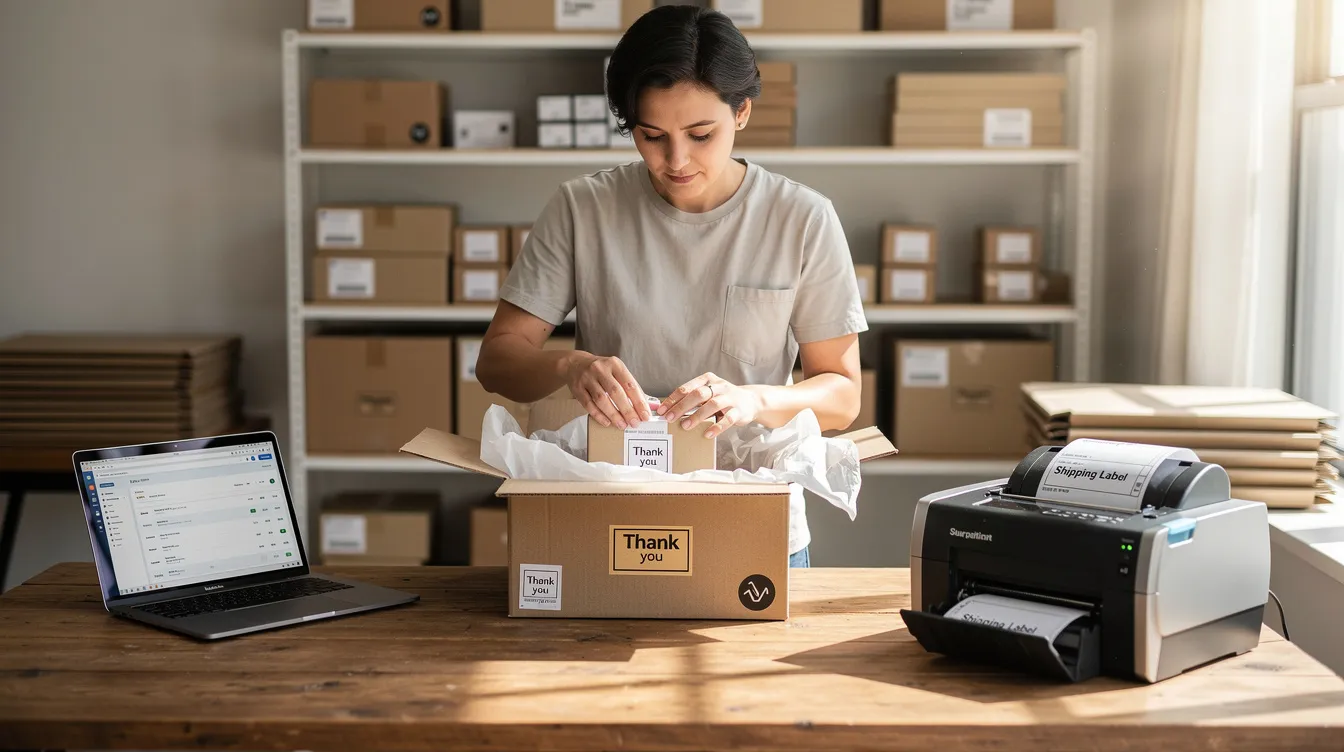
Fulfillment by Amazon (FBA) allows sellers to outsource the picking, packing, shipping, and return processes to Amazon’s network of fulfillment centers, providing the advantage of offering free, two-day shipping to customers.
FBA advantages:
- Prime badge increases conversion rates
- Amazon handles customer service and returns
- Reduced operational workload for the merchant
Costs include per-unit fulfillment fees, storage fees, and potential long-term storage charges for slow-moving inventory. FBA works best for small-to-medium items with consistent sales velocity.
For deeper strategy development, many sellers pursue an amazon fba course combining theory with real-world case studies from seller university resources.
Fulfilled by Merchant (FBM)
Fulfilled by Merchant (FBM) gives sellers the flexibility to handle logistics themselves or outsource to a third-party logistics provider, allowing for more direct customer interaction.
FBM benefits include more control over packaging, flexibility for custom items, and potential savings on oversized products. However, you must manage inventory, meet Amazon’s shipping speed promises, and handle returns within marketplace policies.
Many sellers mix both models—using FBA for fast-moving items and FBM for specialty products where optional services like custom packaging matter.
Marketing, Advertising, and Growth on Amazon
Simply listing products isn’t enough. Active promotion drives the selling journey forward.
Using Amazon Ads to Drive Visibility
Amazon Ads allows sellers to create cost-per-click campaigns to promote their products, with small businesses attributing 30% of their sales to these ads.
Ad types available:
Sponsored products: Appear in search results and product pages
Sponsored Brands: Showcase multiple products with your logo
Sponsored Display: Retarget shoppers across the web
Start with a modest daily spend on tightly relevant keywords. Monitor campaigns weekly, pausing poor performers and reallocating budget to winners. Sellers who outgrow manual check-ins usually switch to Amazon PPC management software that adjusts bids and budgets automatically. Evaluate performance against ACoS (Advertising Cost of Sales), not just impressions.
By 2026, engaging channels like TikTok and Instagram can help drive external traffic to Amazon listings a comprehensive approach that many sellers overlook.
Deals, Coupons, and Seasonal Campaigns
Promotions such as Lightning Deals and coupons can be created by sellers to enhance product visibility during key shopping events. Plan promotional calendars 2–3 months before Prime Day, Black Friday, and Cyber Monday to maximize visibility and capture interest in the best Black Friday deals.
Test different discount levels to find what drives both branded sales growth and positive reviews without destroying margins. Never overdiscount to the point where costs exceed revenue after fees.
Account Health, Customer Service, and Scaling Your Brand
Maintaining account health requires monitoring Order Defect Rate, late shipment rate, and cancellation rate. Strong customer service—quick responses, fair resolutions—protects your selling account whether using FBA or FBM.
Managing Reviews and Customer Feedback
Reviews influence ranking and conversion. Use Amazon’s official Request a Review button rather than prohibited tactics. Reduce negative reviews through accurate images, clear descriptions, and quality control.
Treat recurring feedback as product improvement data. Policy violations around reviews threaten account health—the experiments tool and other official resources help you stay compliant.
Expanding to Additional Amazon Marketplaces
Successful sellers scale from one marketplace to others like amazon.ca, amazon.co.uk, or amazon.de. Consider translations, local keyword research, different tax obligations, and specific requirements for each region.
Expansion works best after stabilizing your primary market. Amazon’s global selling tools simplify currency conversion and listing replication, helping you manage inventory across borders.
Amazon brand registry provides additional protections and tools as you grow, including access to advertise more effectively and protect your listings from hijackers.
Costs, Earnings, and Realistic Expectations
Typical startup costs:
Initial inventory: $2,000-$5,000
Photography and branding: $300-$1,000
Professional plan subscription: $39.99/month
First month advertising: $500-$1,000
Results vary dramatically based on product selection and execution. A side gig seller might generate $500-$2,000 monthly; dedicated sellers building a full-time business often reach $10,000+ monthly within 12-18 months.
Amazon selling also requires a meaningful upfront investment, so it may not suit every side-gig seeker. Those looking to earn money online with less setup can instead explore task-based earning, where small online activities offer a lower-barrier way to get started.
Calculate unit economics before launching. Treat amazon for selling as a real business, not a money-printing scheme.
Conclusion: Turning Amazon into a Long-Term Business Asset
This guide covered amazon selling how to succeed—from account creation and product research through listing optimization, fulfillment choices, and marketing strategies. Amazon corporation provides a powerful amazon ecommerce platform, but your strategy, discipline, and optimization determine results.
Your next steps: define your niche, select a selling plan, open your seller accounts, and launch a test product within 30-60 days. Consider enrolling in a reputable amazon fba course once basic operations run smoothly.
Building a strong presence on amazon for selling creates an asset supporting broader online and offline growth for years ahead. Start listing today.

Author
Debutify
Debutify is the easiest way to launch and scale your eCommerce brand.