What Is a Dropshipper? How the Dropshipping Business Model Really Works in 2026
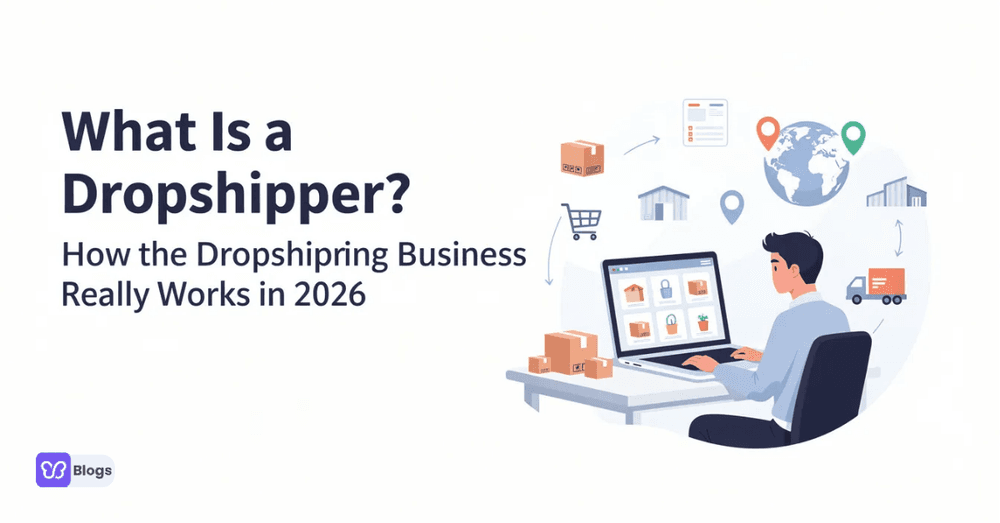
The appeal is obvious: sell products online without ever touching inventory. But behind that simplicity lies a real business model with real requirements. This guide breaks down exactly what a dropshipper does, how the entire fulfillment process works, and what it takes to build a profitable online drop shipping business in 2026.
Key takeaways about dropshippers and dropshipping in 2026
A dropshipper is an online retailer who markets and sells products without maintaining physical inventory, instead partnering with third-party suppliers who handle storage, packing, and direct shipping to customers. This dropship ecommerce setup has become one of the most popular entry points into online retail, with Oberlo’s 2025 report estimating that dropshipping comprises 23-33% of all online retail transactions.
- A dropshipper operates as the brand owner and customer-facing business, using third-party fulfillment (sometimes called inventory-less retailing) for all logistics in a modern dropship ecommerce setup
- A dropshipping business or drop shipping business can launch quickly with minimal capital through an online shop drop shipping model, but long-term success depends on niche selection, marketing execution, and supplier reliability
- The biggest benefits of dropshipping include low upfront investment, wide product range testing, and location flexibility—dropshipping allows for efficient market research and product testing, enabling sellers to quickly identify trending products without significant risk
- Typical downsides include thinner margins compared to traditional retail, limited control over the supply chain, and challenges building cohesive customer experiences
- Dropshipping legal compliance matters as much as finding products; platform rules, sales tax obligations, and consumer protection laws apply regardless of where suppliers are located
- This article serves as a practical guide: clear definitions, how the dropshipping work process runs from order to delivery, how to start dropshipping, and how to grow beyond a small dropship home business
What is a dropshipper and how does dropshipping work?
A dropshipper is the retailer who owns the brand, builds the website, acquires customers, and manages the entire customer relationship—but outsources product storage and shipping to suppliers. In a dropshipping business model, the seller is responsible for product selection, marketing, and customer service, while the supplier handles inventory and shipping.
Dropshipping is a fulfillment method that allows sellers to outsource product storage and shipment to a third-party supplier, enabling them to sell products online without managing physical inventory. This is the core of the online business drop shipping model: your store never physically handles the goods.
Is dropshipping a business? Yes—if you treat it like one. A properly structured drop shipping business requires business registration, tax compliance, supplier contracts, and systematic operations just like any other retail venture.
Typical channels a dropship ecommerce seller uses include:
| Channel Type | Examples | Role |
|---|---|---|
| Branded store | Shopify, WooCommerce | Primary sales hub |
| Marketplaces | Amazon, eBay, Etsy | Traffic amplification |
| Social platforms | TikTok Shop, Instagram | Discovery and conversion |
The modern ecommerce supply chain separates three distinct roles:
- Dropshipper (retailer): Creates demand, handles pricing, marketing, and customer support
- Supplier: Manages inventory, picks, packs, and ships orders
- Marketplace/platform: Provides infrastructure and traffic
Here’s how dropshipping works in four steps:
- Customer discovers your product through search, ads, or social media
- Customer purchases through your dropshipping store; payment captured
- Order automatically routes to supplier via integrations
- Supplier ships directly to customer; you pocket the margin

Step-by-step: How does dropshipping work when a customer places an order?
The standard dropshipping process follows sequential steps from store setup to order delivery. This section walks through the end-to-end flow, answering “how does dropshipping work in practice?” at each stage.
When a customer places an order:
The moment someone clicks “buy” on your dropshipping store, several things happen simultaneously:
- Payment is captured through your gateway (Stripe, PayPal, etc.)
- Order data is saved in your store’s database
- A branded confirmation email fires to the customer
Order transmission to supplier:
Modern drop shipping business operations avoid manual forwarding entirely. The order automatically pushes to your supplier via API integrations or automation tools like DSers, AutoDS, or native platform apps. This happens within seconds.
Supplier fulfillment:
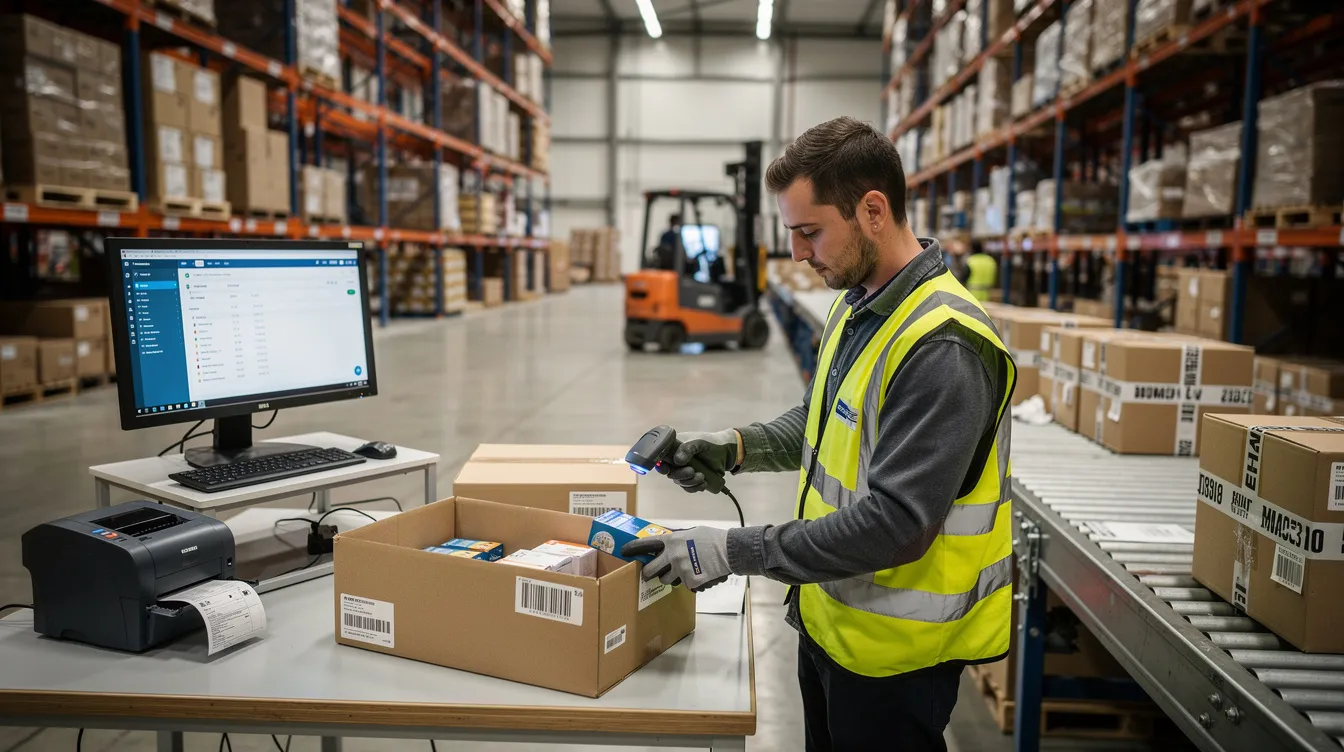
The supplier’s warehouse team picks the product, packs it (often in white-label or neutral packaging to preserve your brand identity), and ships directly to the customer. The buyer sees only your brand throughout the experience, not the supplier’s.
Margin calculation:
The dropshipper earns the difference between the retail price the customer paid and the supplier cost plus fees. For example:
- Customer pays: $50
- Supplier cost: $30
- Shipping: $5
- Platform fees (10%): $5
- Your margin: $10
Post-purchase responsibilities:
Even though the supply chain is external, the customer interacts solely with your store:
- Tracking updates (via apps like AfterShip)
- Returns handling (industry averages run 20-30%)
- Customer support queries
Pros and cons: Benefits and drawbacks of the dropshipping business model
Every drop shop business makes the same fundamental trade-off: lower startup risk in exchange for tighter margins and less operational control. Understanding both sides is essential before committing.
Benefits of dropshipping
The benefits of dropshipping make it especially attractive for first-time entrepreneurs:
- Low capital requirements: No warehouse, no bulk inventory purchases, no staff needed to start
- Product testing flexibility: List thousands of SKUs without capital tie-up; quickly identify trending products and measure demand
- Location independence: Dropshipping offers location flexibility, allowing businesses to operate from anywhere with an internet connection
- Reduced operational complexity: No packing stations, no shipping supplies, no inventory management headaches
- Scalability: Grow from 5 orders to 500 without physical infrastructure changes
For beginners wanting to start dropshipping as a side hustle, a dropship home business requires only a laptop, internet connection, and a few hundred dollars for tools and initial advertising.
Drawbacks of dropshipping
The model comes with real limitations:
- Lower profit margins: Dropshipping often results in lower profit margins compared to traditional retail, as the wholesale price includes the supplier’s handling and fulfillment costs, leaving less room for markup—typically 10-30% after advertising
- Limited control: Sellers have limited control over product quality and fulfillment speed, which can lead to customer dissatisfaction if products arrive damaged or late
- Branding challenges: Dropshippers often face challenges in building a strong brand identity, as they typically have less control over packaging and shipping
- Competition intensity: Many other sellers offer the exact same products, often sourcing from identical suppliers
- Support headaches: Industry data shows 15-25% higher return rates than inventory-held models
Over-reliance on a single supplier in your supply chain creates serious risk. Stockouts or delays damage reviews and erode long-term brand value.
Weigh these trade-offs against your goals before committing fully to a dropshipping business as your primary model.
Is dropshipping legal and is it a real business?
Dropshipping legal status is straightforward: the model itself is lawful in all major markets when you respect local regulations. There’s nothing inherently problematic about the fulfillment method.
The key obligations sit with the retailer—you, the dropshipper:
| Obligation | What It Means |
|---|---|
| Consumer protection | Accurate product descriptions, honest shipping timelines |
| Returns compliance | Accepting returns per local law (even if supplier is overseas) |
| Tax collection | Sales tax nexus rules post-Wayfair (2018), EU VAT regardless of supplier location |
| Platform policies | Each marketplace has specific rules about fulfillment disclosure |
Legal considerations, including intellectual property rights, must be understood in dropshipping. Selling counterfeit products—even unknowingly—can result in account suspension. eBay’s 2025 Transparency Report shows 1.7 million accounts suspended yearly for IP violations.
The difference between legitimate online business drop shipping and risky practices:
- Legitimate: Supplier contracts, quality control samples, transparent shipping origins
- Risky: Retail arbitrage (buying from retailers to reship), falsified shipping information, counterfeit products
Is dropshipping a business in formal terms? Absolutely. Structure it properly:
- Register an LLC or business entity for liability protection
- Open a separate business bank account
- Track all income and expenses for tax purposes
- Maintain written supplier agreements specifying SLAs and responsibilities
Serious operators view their dropshipping store as a long-term brand, not a get-rich-quick scheme.
How to start a dropshipping business in 2026
This section provides the practical, action-oriented roadmap for anyone wanting to start dropshipping from scratch—even with limited budget.
The core phases include:
- Niche and market research
- Business setup and registration
- Supplier selection and vetting
- Building and branding your online store
- Pricing strategy development
- Launch marketing and optimization
This applies whether you want a lean dropship home business or a more ambitious multi-channel online drop shipping business. Document each step as a repeatable process. Successful dropshippers use data-driven methods to identify demand for products rather than guessing.
Choosing the right dropshipping platform and automation tools now saves enormous time once orders scale.
1. Do market research and choose a profitable niche
Structured market research separates successful ventures from the 80% that fail within the first year (per Shopify data). In crowded categories like fitness, gadgets, and beauty, random product selection rarely works.
Validation tools to use:
- Google Trends for rising search interest (e.g., “pet travel gear” up 40% YoY)
- Marketplace bestseller lists (Jungle Scout for Amazon: target 300+ monthly sales, under 50k competition)
- Keyword research tools for search volume analysis
Focus on niches where you can offer more than low prices:
- Better educational content
- Curated product bundles
- Faster shipping through domestic suppliers
Specific problems beat vague ideas. “Home-office ergonomics” yields 25% higher average order value than broad “fitness” stores according to TopDawg case studies.
Before committing, verify supplier availability and shipping times. A promising niche with 30-day shipping from overseas suppliers may not deliver the customer experience you need.
2. Select suppliers and a dropshipping platform
Finding reliable suppliers is crucial for ensuring quality control in a dropshipping business. The reliability of suppliers is critical; if a supplier fails to deliver on time or provides poor-quality products, it can damage your reputation and lead to customer complaints.
What to evaluate in suppliers:
To find reliable dropshipping suppliers, thoroughly research any third parties you’re considering working with, including checking their website and reviews to see if others have had positive experiences.
When evaluating potential dropshippers, consider:
- Ability to fulfill orders accurately and on-time
- Quality of products offered
- Stock depth and consistency
- Clear pricing with no hidden fees
- Return policies (ideal: 30-day windows)
- Integration capabilities with your platform
Ordering product samples from potential suppliers is a good practice to test product quality and evaluate shipping speeds before committing to a dropshipping partnership.
Common supplier platforms:
- Spocket (U.S./EU stock, 2-7 day shipping)
- AliExpress (cost-effective but slower)
- CJdropshipping (automation-heavy)
Your dropshipping platform (Shopify, WooCommerce, BigCommerce) should support central order routing, real-time inventory syncing, and analytics across all sales channels.
3. Build and brand your online store
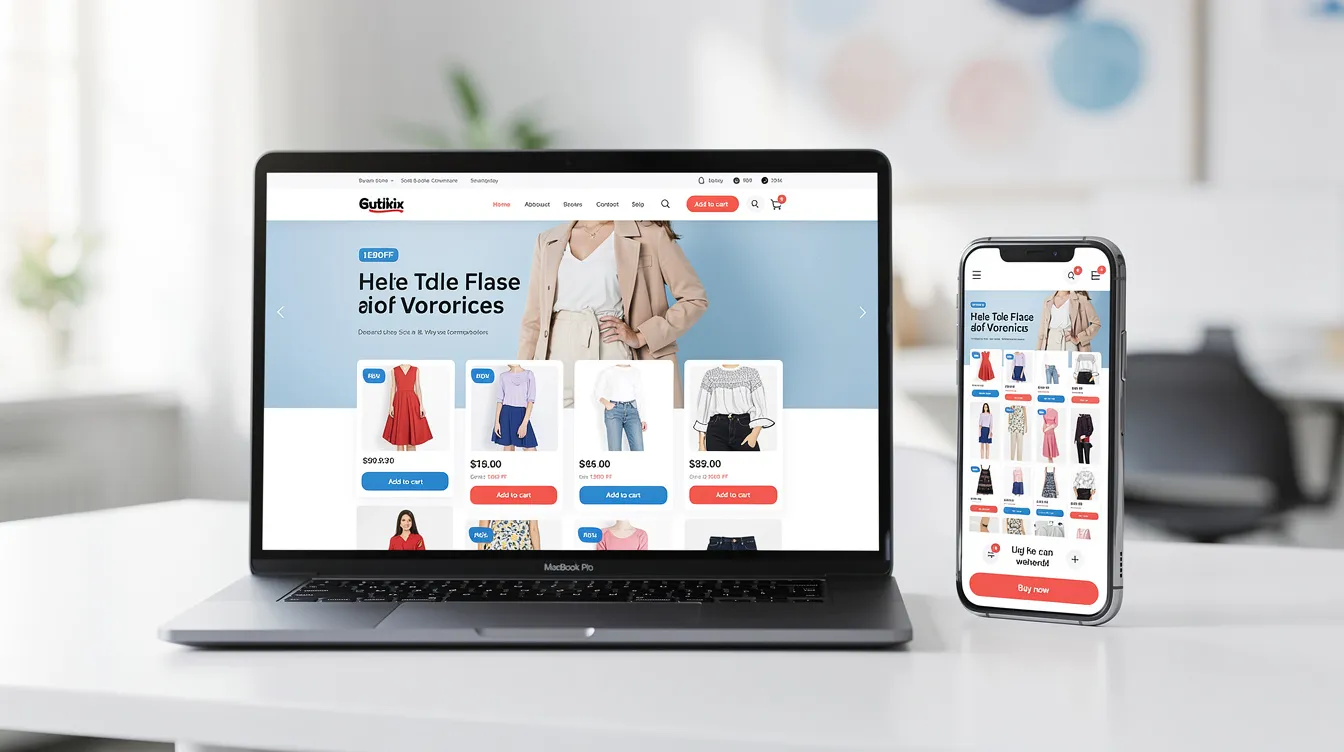
Even in a lean dropship home business, the online store is what customers see and judge. Branding is one of the biggest competitive advantages in ecommerce, but dropshipping can limit control over packaging, delivery, and product quality—which can affect customer experience.
Essential pages for your store:
- Home (clear value proposition)
- Category pages (organized product navigation)
- Product pages (detailed descriptions, reviews)
- FAQ (include “how does dropshipping work?” context)
- Shipping and returns policy
- Contact page
To stand out in a competitive dropshipping landscape, businesses should focus on building a strong brand story and offering a polished storefront to attract customers. Building a strong brand with a unique value proposition is necessary for differentiation in the dropshipping market.
Many dropshippers solve branding challenges by:
- Picking a clearly defined niche
- Customizing product listings beyond supplier defaults
- Adding branded collateral to shipment packaging
- Investing in strong post-purchase communication
Offering white labeling or custom packaging can enhance the branding experience, making the service more appealing and competitive. Establishing a strong brand helps differentiate your business in a landscape where many sellers offer similar products.
Technical priorities:
- Mobile-first design (majority of traffic)
- Fast loading times
- Trust signals (reviews, secure checkout badges, clear policies)
4. Set competitive pricing and understand your margins
Competitive pricing protects profitability while staying market-relevant. Your margin must cover advertising, apps, refunds, and your time.
Basic pricing formula:
Retail Price = Product Cost + Shipping + Platform Fees + Target MarginExample calculation:
- Product cost: $20
- Shipping: $8
- Platform fees (15%): ~$5
- Target margin (25%): ~$7
- Retail price: $40
Dropshipping can be profitable, but profit margins are typically lower than traditional retail due to higher per-unit costs. Successful dropshippers focus on maintaining healthy profit margins by optimizing their pricing strategies, supplier reliability, and customer experience—rather than solely relying on low product costs.
Strategies to improve margins:
- Product bundles (boost AOV by 30%)
- Free-shipping thresholds
- Volume discounts for multiple items
- Premium positioning with better branding
Compare your prices against major marketplaces and competing dropshipping store sites. Identify where your brand justifies charging more through superior content, faster shipping, or better support.
5. Launch, market, and optimize your dropshipping store
Marketing is what transforms an online business drop shipping website into a revenue-generating brand. Marketing is key to dropshipping success, requiring consistent promotion across various channels such as social media, email marketing, SEO, and paid ads.
Core marketing channels for dropshipping:
| Channel | Best For | 2026 Notes |
|---|---|---|
| TikTok Shop | Visual products, younger demos | ROAS averaging 5x for niches |
| Meta Ads | Broad targeting, retargeting | CAC $20-50 per acquisition |
| Email (Klaviyo) | Retention, abandoned carts | 25% reclaim rate possible |
| SEO/Content | Long-term organic traffic | Lower CAC over time |
Utilizing automation tools can streamline marketing efforts, helping manage tasks like product imports, order processing, and customer communications efficiently.
Start with one or two traffic sources. Spreading budget across five platforms simultaneously leads to insufficient data on any single channel.
Optimization priorities:
- A/B test creatives and copy weekly
- Monitor ROAS and adjust ad spend
- Refresh product selection based on performance data
- Build email sequences for post-purchase engagement
Automation, tools, and daily operations for modern dropshippers
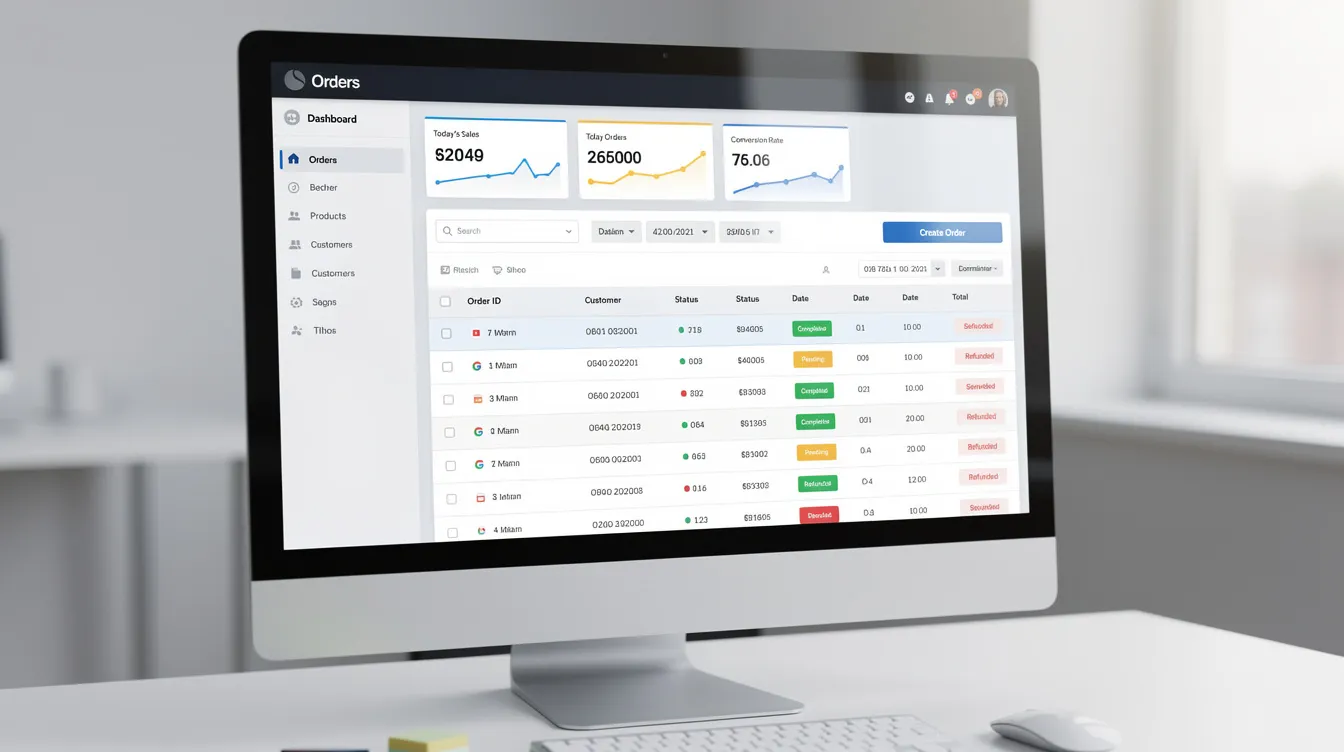
Serious dropshipper operations rely heavily on software to maintain accuracy across orders, stock levels, and pricing. Manual processes break down quickly once you exceed 20-30 daily orders.
Main categories of automation tools:
- Product importers: DSers, Oberlo, AutoDS—sync products from suppliers
- Order routing: Automatic transmission to suppliers via API
- Tracking sync: AfterShip, 17Track—update customers automatically
- Pricing automation: Dynamic repricing based on costs and competition
- Support centralization: Gorgias, Zendesk—shared inbox for all channels
Automation reduces errors when a customer places multiple orders across different channels in a single day. Real-time inventory sync prevents overselling and automatically updates listings when suppliers change availability.
For a 50-order/day dropship home business, daily operations involve monitoring dashboards for stock alerts, reviewing customer tickets, and analyzing marketing performance.
Centralizing customer support through shared inboxes keeps the drop shipping business organized as ticket volume grows. Response time drops 70% with proper help-desk tools according to ShipStation data.
Automation frees founders to focus on higher-value activities: market research, brand development, and supplier negotiation.
Types of dropshipping businesses and long-term scaling paths
The gap between a small side-hustle dropship home business and an advanced multi-brand operation is substantial. Understanding the progression helps set realistic expectations.
Beginner path:
- Single-niche online drop shipping business on one platform
- Testing 10-30 products
- $500-2,000 monthly revenue target
- Solo operation with basic automation
Intermediate model:
- Multi-niche stores or multiple storefronts
- Expansion to marketplaces (Amazon, eBay) alongside branded store
- Several vetted suppliers within the dropshipping store
- $10,000-50,000 monthly revenue
- Part-time VA support
Advanced operations:
- Multiple brands across different niches
- Regional storefronts for faster shipping
- Dedicated team handling marketing, sourcing, and customer care
- $100,000+ monthly revenue
- Some inventory held for proven winners
In 2024, independent sellers in Amazon’s US store averaged more than $290,000 in annual sales, indicating that dropshipping can lead to significant revenue when executed effectively.
Many successful entrepreneurs eventually blend dropshipping with holding inventory for best-selling products—improving margins by 50%+ according to Oberlo’s 2026 analysis. About 27% of dropshippers transition to private label for margin expansion.
Treat the dropshipping business as a brand-building engine, not just a product-flipping mechanism.
Common mistakes new dropshippers make (and how to avoid them)
Most new dropshipper projects fail within their first year. Here are the pitfalls that derail them:
Product selection errors:
- Chasing random viral items without proper market research
- Ignoring customer avatar development
- Selecting oversaturated niches without differentiation strategy
Logistics underestimation:
- Quality control and shipping depend on suppliers, which can affect your reputation if issues arise
- Not ordering samples before listing products
- Hiding long shipping times (10-30 days from overseas) rather than setting expectations
Pricing mistakes:
- Copying competitor prices without calculating your actual costs
- Ignoring platform fees, ad costs, and return rates
- Racing to the bottom on price rather than competing on value
Legal and platform issues:
- Not reading dropshipping legal policies on Amazon and eBay
- Violating ad platform rules with misleading claims
- Missing sales tax collection requirements
- Ignoring IP concerns with supplier products
Slower, deliberate setup with clear documentation helps your drop shop business survive beyond the first trend wave. Build systems, not just stores.
Is dropshipping still profitable in 2026?
Global ecommerce continues growing at roughly 10% year-over-year, with Statista projecting $8.1 trillion in total sales volume. The opportunity remains real for well-run dropshipping business brands.
Profitability depends on three factors:
- Margin structure: Unit economics must work after all costs
- Customer acquisition costs: Lifetime value should exceed CAC by 3x minimum
- Repeat purchases: Email marketing and brand loyalty reduce reliance on paid ads
Differentiation matters more than ever. Top 10% of dropshippers achieve 20-40% margins through:
- Superior branding and customer experience
- Domestic suppliers (cutting returns by 40%)
- Niche expertise over generic product selection
View your online business drop shipping project as a long-term learning platform. Early profits should reinvest into better tools, faster suppliers, and stronger brand assets.
Realistic next steps:
- Launch a small, focused online shop drop shipping site with 10-20 products
- Track data meticulously from day one
- Reinvest early profits into proven winners
- Expand systematically based on what works
A professional, well-researched dropship ecommerce venture can grow into a valuable online asset when managed with discipline. The model isn’t a shortcut—but for entrepreneurs willing to execute properly, it remains a $200B+ opportunity in 2026.

Author
Debutify
Debutify is the easiest way to launch and scale your eCommerce brand.