Social Media and Digital Marketing: Key Differences, Strategies, and How to Use Both
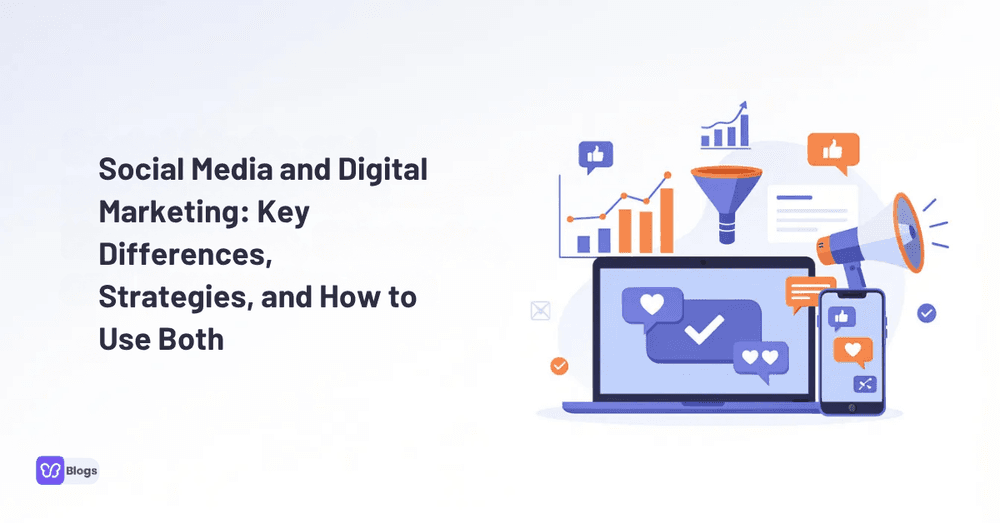
Understanding the relationship between social media and digital marketing is no longer optional for anyone running a business or managing a brand online. Digital marketing is the umbrella discipline. Social media marketing is one powerful channel underneath it. Confusing the two leads to misallocated budgets, unclear goals, and wasted effort.
Over 5.7 billion social media users existed globally by April 2026, which means roughly two-thirds of the world's population is active on social platforms. Businesses leveraging both social media and digital marketing benefit from enhanced brand visibility and engagement across the entire customer journey.
This article breaks down every angle of the comparison. Here is what you will walk away with:
- Clear definitions of digital marketing and social media marketing
- A detailed breakdown of digital vs social media marketing and the difference between digital and social media marketing in practice
- How digital vs social media channels complement each other across the funnel
- The nuance behind terms like social and digital marketing, digital and social media, social media vs digital media, internet marketing and social media, and social and digital media marketing
- Guidance on choosing the right mix, measuring results, and career paths for marketing professionals
Whether you are a founder, a marketing manager, or a student entering the digital landscape, this guide will help you make practical, informed decisions.
What Is Digital Marketing? (Scope, Channels, Examples)
Digital marketing refers to all marketing activities that use digital technologies to promote products, services, or brands. Digital marketing can occur both online and offline, covering everything from search ads to digital billboards and QR-code campaigns.
Digital marketing includes various channels like SEO and email, but the list goes well beyond that. Digital marketing spans multiple channels beyond social media. Here are the primary digital marketing channels:
- Websites and landing pages optimized for conversions
- Search engine optimization and search engine marketing via Google Ads and Microsoft Ads
- Display and video ads across programmatic networks and connected TV
- Email marketing: newsletters, cart-abandonment flows, onboarding sequences
- Mobile marketing: apps, push notifications, SMS campaigns
- Affiliate marketing and marketing automation
- Content marketing: blogs, white papers, ebooks, webinars, YouTube series
Digital marketing includes SEO, PPC, and email marketing as core pillars. For example, a 2025 ecommerce brand might run Google Shopping campaigns to capture high-intent searchers, then trigger remarketing emails to users who abandon their carts.
The important distinction here is that social and digital marketing are not interchangeable terms. Social media is one slice of a much wider digital pie. A complete digital marketing strategy covers owned, paid, and earned channels that social alone cannot replicate.
Content Strategy, Brand Voice, and Creating Engaging Content
A unified content strategy is the bridge between digital and social media efforts. The core marketing message stays consistent; the format adapts to each channel.
Brand voice is the personality behind every piece of content your brand produces. A playful DTC skincare brand sounds different from an authoritative B2B cybersecurity company, but both need consistency across social media posts, emails, blog articles, and ad copy.
Here is a simple framework for creating content that performs:
Identify the audience problem: What question, frustration, or desire does your target audience have right now?
Offer a clear benefit: Every post, email, or article should answer "what is in it for me?"
Use a strong hook: The first three seconds of a video or the first line of a caption determines whether someone keeps scrolling or stops.
End with a specific call to action: Tell the reader or viewer exactly what to do next.
Repurposing is essential for marketing resources efficiency. Turn a long blog post into Instagram carousels, TikTok explainers, LinkedIn posts, and an email series. This multiplies your output without multiplying your production costs.
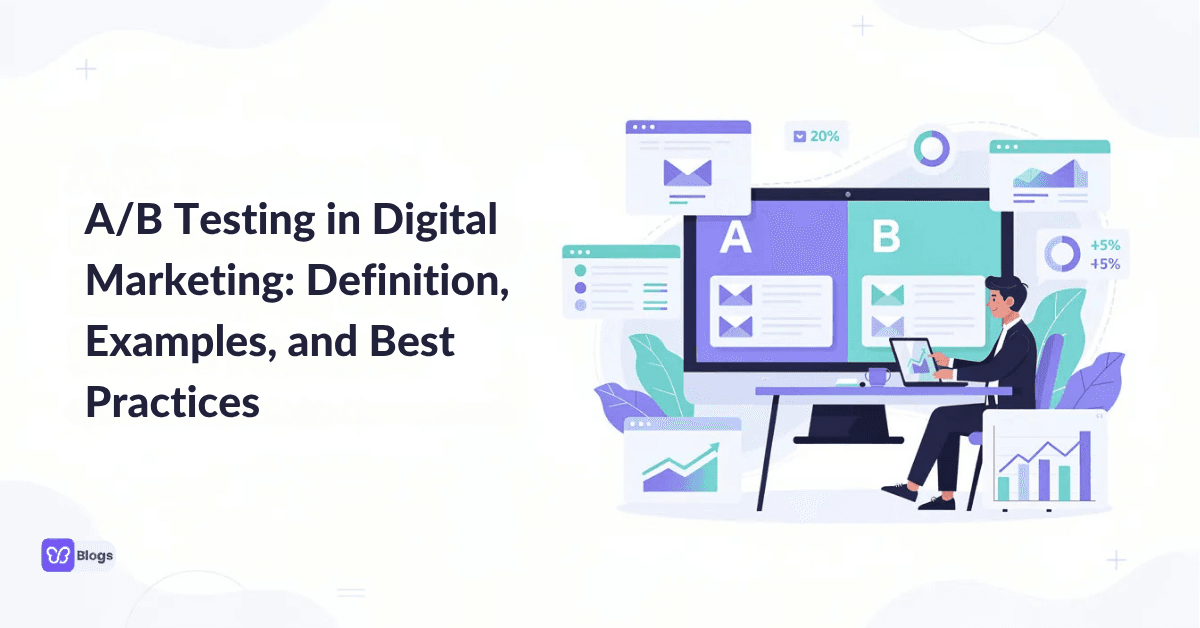
Data supports the investment: 76% of social media users bought something they saw on social media, which means engaging content on social platforms directly influences revenue. A/B testing headlines, thumbnails, and hooks across both social media websites and landing pages helps you gain valuable insights and continuously improve performance metrics.

Author
Debutify
Debutify is the easiest way to launch and scale your eCommerce brand.
Social Media Marketing Tactics and Platforms That Actually Work
Not all social media sites perform the same way. Here is a quick breakdown of where to focus:
Social media marketing strategies that consistently deliver results include: