Wholesale Distribution: Definition, How It Works, and Key Strategies for 2026
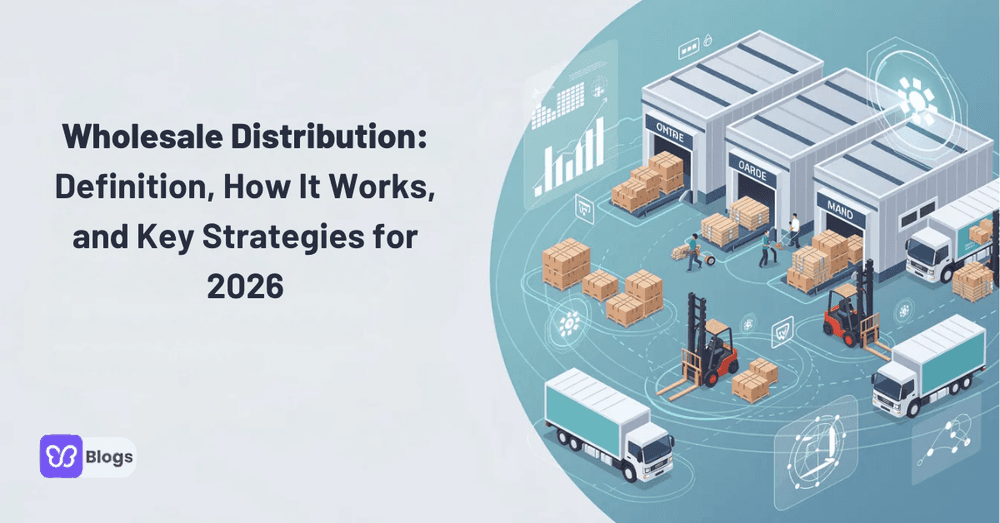
Understanding wholesale distribution is essential for anyone navigating modern supply chain management. Whether you’re a manufacturer seeking broader market reach or a retailer looking to source products efficiently, mastering this business model can transform your operations and profit margins.
What is Wholesale Distribution? (Quick Answer)
Wholesale distribution is the process of purchasing products in large quantities from manufacturers or importers and reselling them to retailers, other businesses, or institutional buyers—never directly to end consumers. This B2B model serves as a crucial link in supply chains worldwide, connecting manufacturers with the businesses that ultimately sell products directly to consumers.
The wholesale distributors definition is straightforward: a wholesale distributor is a business that purchases large quantities from suppliers and resells in smaller lots at a markup. When someone asks what is wholesale distributor or what is a wholesaling business, they’re referring to these intermediary operations that profit through volume rather than high per-unit margins.
Distribution wholesale and wholesale distribution describe the same concept—different wording for the identical supply chain function. The global wholesale market reflects its importance, valued at approximately $92.61 trillion in 2025 with an 8.0% compound annual growth rate, outpacing many national economies.
Wholesale Distribution Definition and Core Concepts
To define wholesale distribution formally: it is the systematic process of acquiring goods en masse from producers and redistributing them via B2B channels. The wholesale distribution meaning encompasses buying, warehousing, and reselling without ever targeting individual consumers.
This business model operates exclusively as a B2B arrangement. Wholesale retail distribution specifically involves wholesalers supplying retailers who then mark up prices for consumer sales. A shoe store buying inventory from a regional footwear wholesaler exemplifies this relationship.
Understanding the distinction matters: what is wholesale distributor refers to the individual or firm executing trades, while what is wholesale distribution company describes the organized business entity with warehouses, contracts, and logistics infrastructure. A wholesale distribution business might operate from a single warehouse or manage nationwide distribution centers.
Consider a concrete example of what is wholesaling business in 2025: an electronics parts distributor sources smartphone components in bulk from Asian manufacturers, stores them in centralized warehouses, and resells customized kits to repair shops and online retailers at a 15-25% markup. The profit comes from high-volume turnover, not inflated unit prices.
Wholesale product distribution extends beyond retail stores. Hospitals purchase medical supplies through wholesale channels, schools buy cafeteria equipment, and industrial customers source raw materials—all following the same bulk-buy, B2B-resale principle.
How Wholesale Distribution Works in Practice
The wholesale distribution channel represents the structured path goods travel from production to final sale. Understanding this flow helps you identify where value is created and where operational efficiency can be improved.
Step 1: Upstream Sourcing
Wholesale distribution work begins with sourcing products through purchase contracts with domestic and international suppliers. Distributors work directly with various manufacturers, negotiating bulk pricing that typically runs 40-60% below retail prices. Strong relationships with business partners ensure reliable product availability and favorable payment terms.
Step 2: Midstream Operations
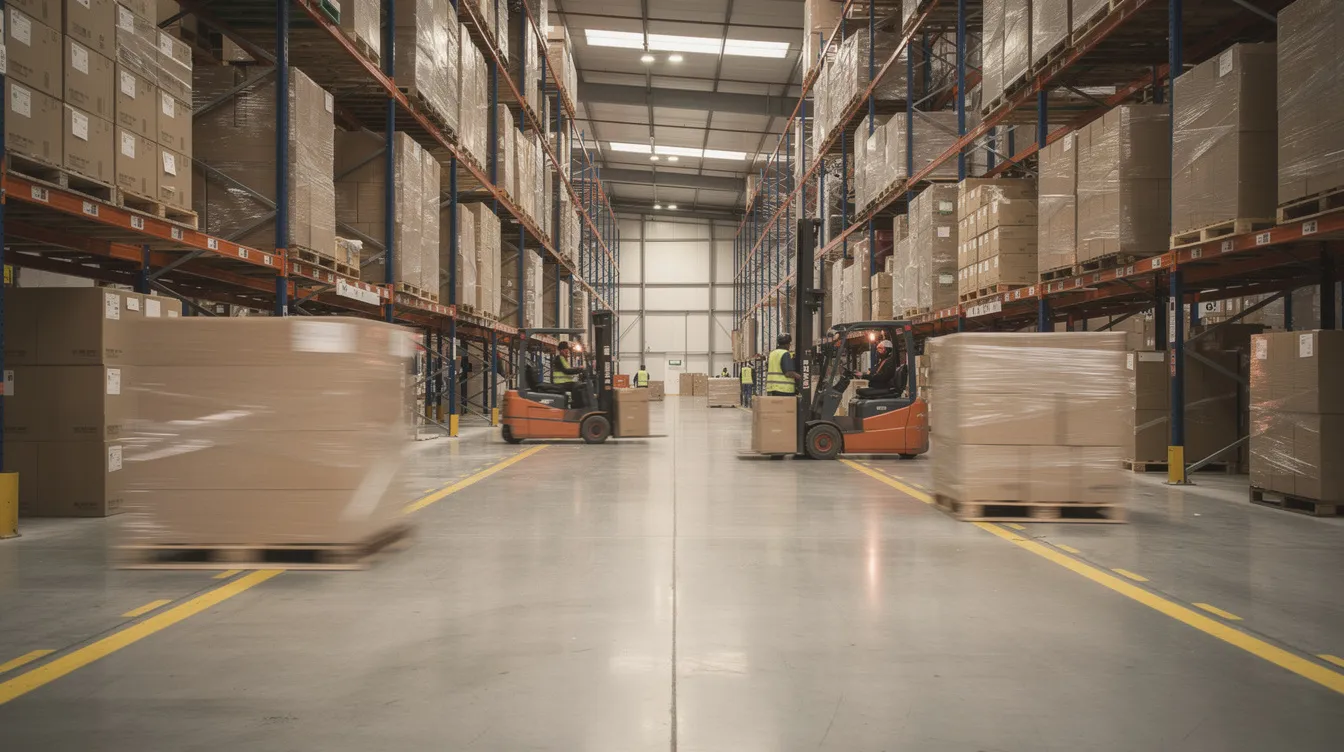
Once goods arrive, warehouse operations take over. This includes managing inventory through an inventory management system, breaking bulk (dividing large shipments into manageable lots), and adding value added services like labeling, kitting, or repacking. Effective warehouse management system software tracks inventory levels in real-time, helping reduce carrying costs and prevent stockouts.
Step 3: Downstream Distribution
Finally, wholesale product distribution moves goods through various sales channels—regional depots for just-in-time delivery, direct store delivery for perishables, or B2B ecommerce portals processing orders digitally. Modern wholesale distributors increasingly offer dropshipping or cross-docking to accelerate distribution wholesale operations and minimize inventory tracking overhead.
Wholesale Distribution Channels and Models
A wholesale distribution channel is the specific pathway goods follow from producer to business buyer. Channel design represents a strategic decision that impacts market reach, operating costs, and customer experiences.
Common Channel Structures:
| Channel Model | Flow | Best For |
|---|---|---|
| Classic | Manufacturer → Distributor → Retailer | Consumer goods, broad coverage |
| Extended | Manufacturer → Distributor → Sub-distributor → Retailer | Large territories, rural markets |
| Direct B2B | Manufacturer → Distributor → Business End User | Industrial supplies, specialized equipment |
| Different wholesale distribution strategies suit different market conditions. Exclusive distribution grants one wholesaler territorial rights—common in luxury goods where brand protection matters. Intensive multi-distributor networks maximize product availability, as beverage industry players often employ. |
Digital wholesale distribution channels have surged, with B2B marketplaces growing 25-30% annually through 2024-2026. These platforms offer real-time pricing, inventory visibility, and automated order processing that streamline customer interactions.
Consider a mixed wholesale distribution strategy: a beverage company uses regional food and beverage wholesalers for traditional routes, direct store delivery for high-volume accounts, and online B2B portals for smaller independents. This hybrid approach achieves 95% fill rates while adapting to shifting market trends.
Types of Wholesale Distributors and Distribution Wholesale Businesses
Both distribution wholesale and wholesale distribution company refer to organizations serving as supply chain intermediaries. However, these businesses take several distinct forms.
Full-Service Distributors These provide comprehensive support including credit, delivery, marketing assistance, and customer relationship management. A regional foodservice wholesaler supplying restaurants with bulk meats, produce, and disposables—complete with customized menus and same-day delivery—exemplifies this model.
Limited-Service/Cash-and-Carry Buyers physically visit the warehouse, select products, and transport them independently. A health supplement cash-and-carry hub offering self-service access to vitamins and protein powders at 20-40% below retail serves small businesses efficiently.
Specialty/Niche Wholesalers These focus on specific industries or product categories. An electronics parts distributor serving repair shops with semiconductors and technical support demonstrates focused expertise. Healthcare providers rely on licensed medical supply distributors for regulatory compliance.
Hybrid Wholesale-Retail Operators Warehouse clubs blend models, prioritizing B2B bulk sales while allowing consumer access. The underlying wholesale business economics—lower prices through volume—remain constant.
Wholesale retail distribution typically involves smaller quantities with frequent reorders from retail stores, while industrial wholesale handles larger, less frequent orders requiring specialized logistics. Many wholesale distribution businesses now operate both physical warehouses and online B2B storefronts, with digital sales reaching 40% of revenue by 2026.
Wholesale vs. Retail Distribution
Understanding wholesale distribution versus retail distribution clarifies where each model fits in your business strategy.
| Aspect | Wholesale Distribution | Retail Distribution |
|---|---|---|
| Customer | Businesses, institutions | End consumers |
| Order Size | Large quantities | Individual units |
| Unit Price | Lower (bulk pricing) | Higher (marked up) |
| Profit Margins | 15-25% on high volume | 30-50% on lower volume |
| Relationship | Long-term partnerships | Transactional |
| Consider sneakers moving through the supply chain: a manufacturer sells pallets at $40/unit to a regional footwear distributor, who resells cases at $50 to shoe stores. Retailers sell products directly to consumers at $100. Each intermediary adds value—and margin—appropriate to their role. |
Wholesalers buy in bulk, absorbing logistics risks and maintaining inventory so retailers don’t have to. A wholesale distribution company profits through turnover volume; retailers sell products directly with higher per-unit profit margins but lower overall volume.
Some organizations combine functions. Warehouse clubs operate on wholesale principles while serving consumers. But even hybrids maintain wholesale economics: lower prices enabled by high-volume purchasing power.
Benefits of Wholesale Distribution for Manufacturers and Retailers
The benefits of wholesale distribution extend throughout the supply chain, creating efficiency gains that individual transactions cannot match.
For Manufacturers
- Expanded market reach without managing thousands of small accounts
- Reduced sales overhead (typically 30-50% savings)
- Improved cash flow through bulk payments
- Focus on core production while distributors work on market penetration
For Retailers
- One-stop access to products from various manufacturers
- Better pricing through aggregated bulk purchasing (10-20% savings)
- Reduced logistics complexity—distributors handle warehousing and transportation
- Smaller quantities available without manufacturer minimums
System-Wide Benefits
Wholesale distribution plays a stabilizing role in global trade. New products reach markets 20-40% faster through established distribution networks. Supply chain stability improves as wholesalers maintain buffer stocks, absorbing demand spikes and supply disruptions—a lesson reinforced during 2020-2024 disruptions.
Consolidated shipments through distribution centers lower transportation costs 15-25% compared to fragmented direct shipping.
Challenges Facing Wholesale Distribution in 2025–2026
Despite its importance, the wholesale distribution industry faces significant headwinds requiring strategic responses.
Margin Pressure
E-commerce giants and direct-to-consumer brands squeeze profit margins to 8-12% in competitive sectors. Pricing strategies must balance competitiveness with sustainability.
Inventory and Logistics Complexity
Demand volatility, longer lead times, and transportation costs (up 20% post-2024 fuel spikes) complicate business operations. Maintaining inventory at optimal levels requires sophisticated forecasting tools.
Digital Disruption
Remaining competitive demands 10-15% annual technology investments in analytics, automation, and enterprise resource planning systems. Robotic picking systems boost warehouse operations efficiency by 40%, but require capital commitment.
Regulatory Compliance
Product safety rules, traceability requirements (especially in pharmaceutical wholesale product distribution), and cross-border customs add compliance costs averaging $500K yearly for mid-sized firms. Informed decisions about market entry must factor these expenses.

Building a Successful Wholesale Distribution Strategy
A clear wholesale distribution strategy determines which products to carry, which markets to serve, and how to increase sales systematically.
Sector Selection
Target industries with strong fundamentals. Food and beverage industry opportunities remain robust (40% market share). Healthcare grows at 15% CAGR driven by telemedicine supplies. Construction offers large orders with regional focus. Research market trends before committing resources.
Supplier Strategy
Build relationships with wholesale suppliers through volume commitments—securing 80% of needs from preferred partners. Negotiate favorable net terms, rebates, and potential product exclusivity. Strong relationships translate to priority allocation during shortages.
Customer Strategy
Segment retailers by size and needs. Offer tiered services: daily delivery for chains, extended credit for independents, additional services like merchandising support for key accounts. Understanding customer needs drives loyalty and sales performance.
Technology Infrastructure
Invest in inventory management software to track inventory levels and maintain optimal stock. Implement ERP solutions for order fulfillment efficiency. Many distributors also rely on distribution management software to centralize customer management, order processing, inventory visibility, route planning, and field operations within a single platform. Deploy B2B ecommerce platforms—they're driving 30% sales growth for early adopters. Real-time delivery status updates improve customer experiences.
Key Industries and Examples of Wholesale Distribution
Wholesale distribution channels operate across virtually every sector, though implementation varies by product characteristics and regulations.
Food and Beverage
Food and beverage wholesalers handle perishables requiring refrigerated logistics and 24-48 hour turn cycles. Companies like Sysco exemplify full-service beverage wholesalers supplying restaurants with everything from frozen proteins to paper goods.
Healthcare and Pharmaceuticals
Licensed distributors ensure cold-chain compliance for vaccines serving healthcare providers. Strict traceability requirements under FDA regulations shape operational procedures.
Technology and Electronics
Just-in-time parts distribution serves assemblers and online retailers. High tech products demand rapid fulfillment amid chip shortage volatility.
Industrial and Construction
Bulk steel, lumber, and equipment flow through regional specialists serving contractors. Heavy-haul logistics and credit arrangements define these relationships.
Consumer Goods
Apparel, housewares, and personal care products blend channels—traditional wholesale alongside B2B portals reaching small businesses nationwide.
While wholesale distribution meaning varies slightly by industry, the core principle—connecting manufacturers with business buyers through bulk purchasing—remains constant.
Frequently Asked Questions About Wholesale Distribution
1. What is wholesale distributor?
A wholesale distributor is a B2B intermediary that purchases products in large quantities from manufacturers and resells them in smaller quantities to retailers, institutions, or industrial customers. Distributors sell at markups typically ranging 15-25%, profiting through volume rather than high per-unit margins.
2. What is wholesaling business?
A wholesaling business operates by buying bulk inventory, storing it efficiently, and reselling to other businesses. A 2024-launched online B2B apparel platform purchasing clothing from multiple brands and distributing to boutiques nationwide exemplifies a modern wholesale business model.
3. How does a wholesale distribution company make money?
Revenue comes from margin on volume sales—purchase products at bulk discounts, resell at modest markups across thousands of transactions. Additional income derives from value added services like kitting, labeling, or expedited delivery (adding 5-10% revenue). Human resources focus on sales opportunities rather than order processing as automation grows.
4. What is a wholesale distribution channel?
A wholesale distribution channel is the specific pathway connecting manufacturers to business buyers through intermediary distributors. Unlike direct sales (manufacturer-to-retailer) or retail-only models (consumer-facing), wholesale channels optimize for bulk movement and B2B relationships.
Whether you’re launching a new wholesale venture or optimizing existing operations, mastering these fundamentals positions you for growth through 2025-2026. Start by evaluating your current supply chain partnerships and identifying gaps where wholesale distribution can improve operational efficiency and expand your market reach.

Author
Debutify
Debutify is the easiest way to launch and scale your eCommerce brand.