27 Best Shopify Storefront Examples for 2026 (Inspiring Shopify Websites to Copy Today)
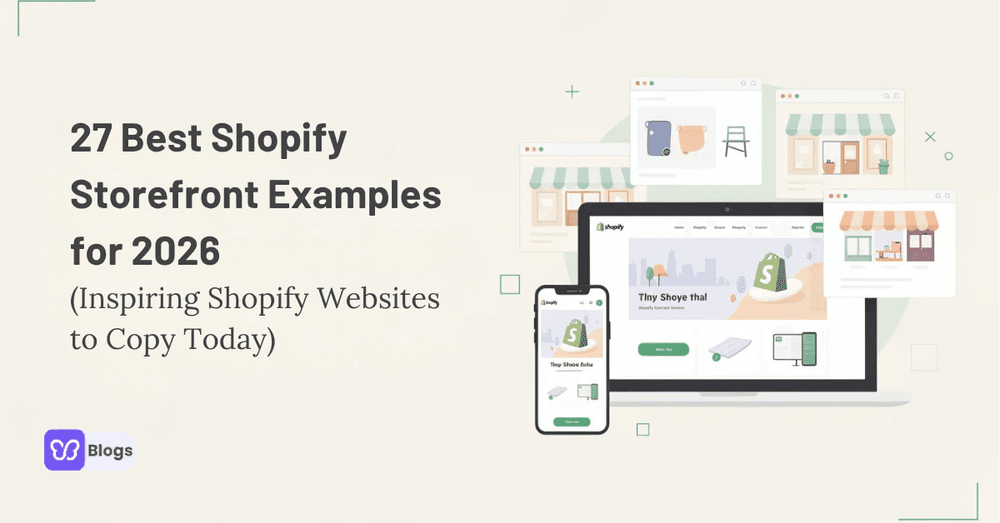
Studying shopify storefront examples is one of the fastest ways to improve a new or existing shopify store. Instead of guessing what works, you can see how successful shopify stores use layout, copy, product pages, trust signals, and checkout design to drive sales.
People searching for shopify websites examples, shopify web examples, or a sample shopify website usually want practical inspiration, not abstract theory. This guide breaks down real examples across fashion, beauty, home, art, subscriptions, and Shopify Plus brands.
You’ll learn:
- What makes the best Shopify websites stand out in 2026.
- Which ecommerce store patterns help potential customers move faster.
- How top stores use brand identity, product presentation, and social proof.
- What smaller stores can copy without a huge web development budget.
- How to build a seamless checkout process that supports higher conversion rates.
What Makes a Shopify Storefront Truly Great in 2026?
The best shopify websites blend unique brand storytelling with high-utility UX features. They are visually appealing, fast, easy to browse, and designed around the customer experience from the home page to purchase.
Strong storefronts usually include:
- A crystal-clear brand identity across typography, colors, photography, and tone.
- Mobile-first layouts, because most online shopping now happens on mobile devices; a slow or clunky site can lead to lost sales.
- Fast performance, simple menus, sticky navigation bars, quick-buy options, and a seamless checkout flow.
- Strong product presentation with multiple images, video, lifestyle shots, detailed product descriptions, reviews, FAQs, and clear specifications.
- Trust builders such as user generated content, reviews, guarantees, press logos, and visible return policies.
- Subtle conversion optimization, including sticky “Add to Cart” buttons that remain visible while scrolling and help drive quick purchasing decisions.
In this guide, we’ll reference shopify storefront examples, shopify store examples, shopify websites examples, shopify web examples, and a sample shopify website style you can adapt. Notable Shopify storefront designs also include themes like Impact, Dawn, and Turbo, which use targeted UX enhancements to maximize customer engagement.
AI has transformed shopping by personalizing the customer experience and helping merchants manage their ecommerce stores more efficiently, with tools like Shopify Magic generating product descriptions and automating customer interactions. Voice shopping is also on the rise, with shoppers using Alexa and Siri to search for products, so stores should optimize content for voice search and search engines.
Fashion & Apparel Shopify Storefront Examples
Fashion brands dominate many best shopify store examples lists because clothing, accessories, and lifestyle products rely heavily on visuals, seasonal collections, and community.
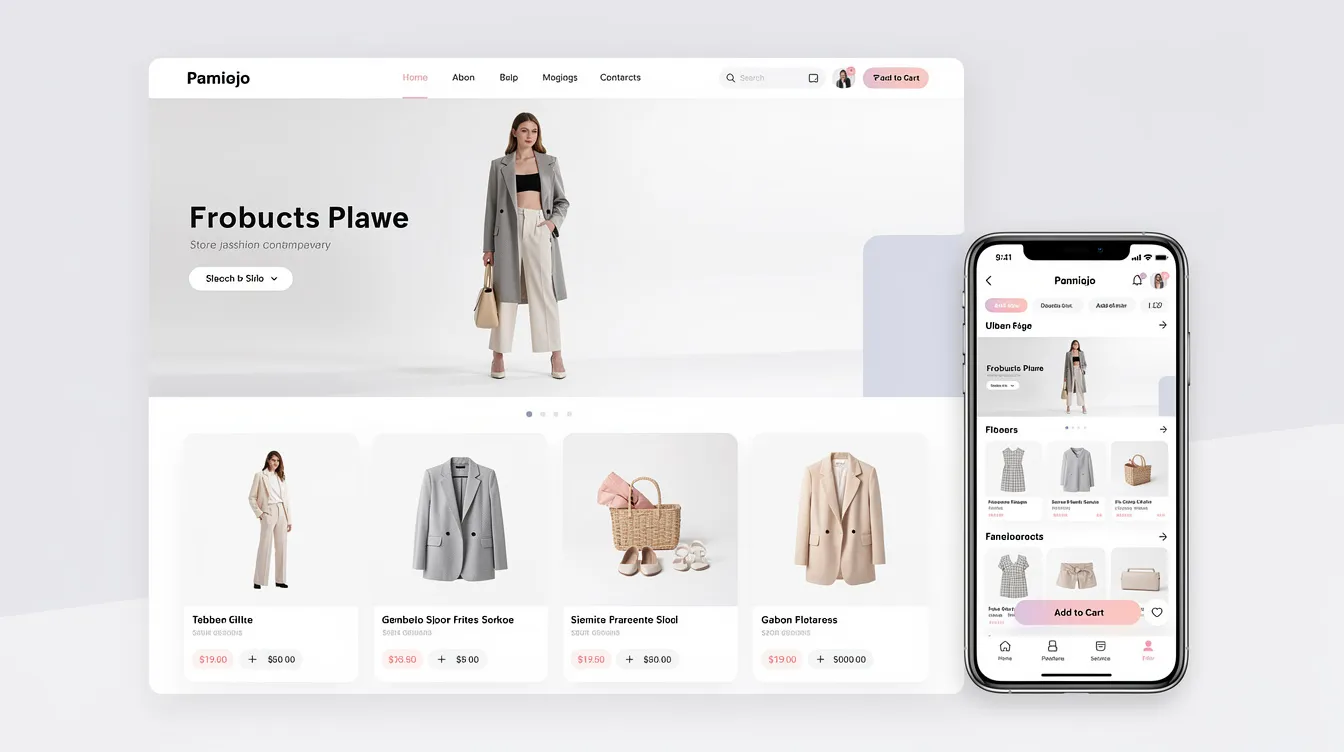
Featured Fashion Stores
- Gymshark is a modern Shopify Plus fitness brand with mega menus, community content, social media platforms, influencer partnerships, and UGC. It is a good example of how successful Shopify stores amplify a brand's reach and drive sales with content that resonates.
- Kylie Cosmetics sits between fashion and the beauty industry. The cosmetics brand uses high-demand drops, limited-edition launches, sticky headers, and countdown-style campaigns to create urgency for potential buyers.
- Nicce uses bold hero sliders, streetwear photography, and a personalized email signup popup. It keeps the navigation bar simple while still pushing trending products and collections.
- Lazy Oaf uses playful design, live chat, Instagram grids, and small details like smart hover states. The result feels memorable without making the shopping experience confusing.
- WILLY California uses curated categories like “Favorites” and low-clutter catalog pages. The calm, spacious, and highly organized aesthetic mirrors a brand focus on specific consumer needs.
- SKIMS is a strong fashion example for the modern woman, with inclusive sizing, premium product visuals, and a polished mobile buying flow.
Key Merchandising Tactics
The best fashion shopify store examples make the brand feel consistent before shoppers read a single product description. They do this by:
- Using consistent fonts, color systems, photography, and tone of voice.
- Adding clear size guides, “Complete the look” cross-sells, care notes, and fabric details.
- Simplifying navigation with granular filters so customers can efficiently find products based on size, color, fit, or preference.
- Keeping product pages uncluttered, fast, and focused on the next action.
- Using AR try-ons where relevant, because augmented reality is becoming more popular in ecommerce and helps customers visualize products in real-world settings before making a purchase, which can reduce return rates.
You can copy Gymshark-style category mega menus, Nicce-style trending carousels, or SKIMS-style product education without copying their entire website.
Beauty, Skincare & Wellness Shopify Storefront Examples
Beauty and wellness stores depend on trust, education, and detailed product presentation. In this category, potential customers need reassurance before they buy, especially when products touch skin, hair, or health.
Notable Beauty & Wellness Stores
- Range Beauty uses inclusive shade ranges, ingredient breakdowns, and before/after galleries. It shows how a beauty brand can serve specific customers with both representation and clarity.
- Then I Met You uses color systems that shift by product line, elegant storytelling, and review highlights. It is a strong sample Shopify website for emotional brand storytelling.
- Vegamour is useful for studying global shipping, location selectors, and transparent taxes or VAT. Clear visibility of shipping costs, return policies, and product specifications is essential for consumer reassurance before checkout.
- Goddess Detox and Astura lean heavily on social proof, including video reviews, large review counts, and educational content. Social proof can be effectively leveraged by including user-generated content directly on the storefront to enhance consumer trust.
- Restore and Wilding are clean wellness examples with “how to use” blocks, ingredient tabs, and expert-led education.
- Fenty Beauty and Rare Beauty show how shade finders, quizzes, sticky CTAs, and mobile-first grids can support both discovery and conversion.
Conversion Optimization Strategies
Beauty brands test heavily because the customer journey can be full of questions. Common tactics include:
- Interactive shopping experiences, like quizzes, to guide consumers through product selections that may be difficult to navigate.
- Skin, hair, or shade diagnostics that gather first-party data and personalize recommendations.
- Auto-replenish subscription model options that appear clearly in cart and checkout without disrupting a seamless checkout.
- Risk-reversal microcopy such as “30-day results or your money back.”
- Allergen notes, comparison charts, dermatologist videos, and embedded educational content throughout product detail pages to build trust through consumer education.
- Interactive custom bundling features that allow users to build product selections intuitively and reduce choice overload.
According to product page benchmarks, average ecommerce product page conversion rates are often around 1.4–1.8%, while stronger stores can reach 3–6% or more on high-performing products. Visuals matter too: pages with video and richer image galleries often see stronger add-to-cart behavior.
Home, Lifestyle & Interior Shopify Storefront Examples
Home and lifestyle Shopify stores are especially good at immersive visuals, because they sell a feeling as much as a product.

Notable Home & Lifestyle Stores
- Huel uses benefit-led messaging, simple layouts, a location pre-selector, and clear subscription paths. It shows how a nutrition company can reduce friction for global shoppers.
- Hem uses material closeups, 3D-style viewing, detailed dimensions, and premium product pages. It helps shoppers imagine furniture before purchase.
- GOODEE sells ethical homewares through story-first layouts, mission callouts, and sustainability messaging. Sustainability is a growing ecommerce trend, especially among younger consumers who prefer sustainable materials and practices.
- Pop Chart uses playful illustration-led design, email popups, press mentions, hover states, and product carousels. The pop chart style works because the store turns browsing into discovery.
- Pot Gang is a fun gardening Shopify store with bright colors, illustrated steps, and simple subscription flows.
- Montana Labelle uses a custom theme with editorial imagery, spacious product pages, trade features, and press pages.
Key Merchandising Tactics
Home brands sell the lifestyle, not just the product. Effective Shopify storefronts move beyond static product grids to reduce friction and build immediate trust. They often use:
- Large lifestyle photography, editorial layouts, and video loops showing rooms, unboxing, or real usage.
- “How it’s made,” “Our mission,” and “Impact stats” blocks halfway down the homepage.
- UGC from Instagram or TikTok to reduce production cost while keeping authenticity high.
- Split heroes, staggered sections, and scannable “Why customers love us” rows.
- Needs-based navigation that categorizes products by human needs, lowering cognitive load and decision fatigue.
Art, Jewelry & Niche DTC Shopify Storefront Examples
These shopify websites examples prove that narrow niches can still create world-class storefronts. A small catalog can feel premium when the story, visuals, and UX are sharp.
Notable Niche & Art Stores
- Uprise Art is an online gallery with artist bios, curated collections, and room mockups that help shoppers visualize art in real spaces.
- UPPERCASE Magazine sells art magazine subscriptions, add-ons, rewards, and community stories. It shows how editorial content can support an online store.
- Camille Brinch uses jewelry lookbooks, stacking guides, bold CTAs, and craftsmanship closeups.
- Diaboli Kill uses alternative styling and bold art direction to make the brand instantly recognizable.
- Larissa Loden is an accessories brand that mixes close-up product shots with personality-led copy.
- Good Art HLYWD uses craftsmanship imagery and premium storytelling to justify price.
- Houseplant combines home goods, playful microcopy, and unique photography to create a distinct brand world.
- Inkbox-style temporary tattoos are a useful niche reference because temporary tattoos need strong visuals, application education, and trust-building reviews.
Lessons from Niche Stores
Many niche brands have only a few SKUs but still feel like best Shopify websites because they make each product page work harder. They use:
- Founder notes, FAQs, stories, and detailed product descriptions to add depth.
- Limited collections, drops, and waitlists to increase desirability.
- Large card-based grids, bold typography, and a simple “Shop all” path.
- Tasteful bundles and gifting options while keeping the seamless checkout process intact.
- Custom theme choices when the brand needs a more distinctive visual system.
Subscription & Membership-Based Shopify Storefront Examples
Subscriptions are now a core pattern across Shopify stores in beauty, coffee, wellness, magazines, pet products, and gardening kits. The best examples make the difference between one-time purchase and subscribe-and-save obvious.
Notable Subscription & Membership Stores
- Pot Gang uses monthly gardening kits with step-by-step onboarding for each subscriber cohort.
- UPPERCASE Magazine combines quarterly print subscriptions, book add-ons, rewards, and community perks.
- Big Blanket Co uses bundles, email offers, and in-cart upsells without overwhelming the shopper.
- Hismile and Manscaped show how bundles and replenishment can raise order value while keeping the checkout path simple.
Good subscription product pages show:
- Price
- Renewal timing
- Cancellation terms
- What is included before the customer clicks buy
That clarity improves customer satisfaction and customer loyalty.
Bigger Brands & Shopify Plus Storefront Examples
Shopify Plus is built for higher order volume, multiple locations, international expansion, and advanced operations. Shopify Plus offers advanced customization options, allowing businesses to tailor their online stores to meet specific needs and branding requirements.
The platform provides unlimited scalability, enabling businesses to grow without worrying about outgrowing their eCommerce solution. Shopify Plus also includes dedicated support, ensuring businesses have access to expert assistance whenever needed, which is crucial for large enterprises and rapidly growing businesses.
Notable Shopify Plus Stores
- Gymshark, using Shopify Plus for global fitness ecommerce, community content, and fast category discovery.
- Huel, using Shopify Plus for multi-market experiences, localization, subscriptions, and fast launches.
- Kylie Cosmetics, using Plus to support major drops, countdown campaigns, and high-traffic sale days.
- Liquid Death, using media-heavy layouts, bold content, and strong brand identity.
- Allbirds, using sustainability scorecards and clean product education.
- Red Bull-style media commerce, where content hubs and ecommerce meet.
Recent updates to Shopify Plus have enhanced its capabilities with features like AI-powered search and personalized recommendations, making it more attractive for businesses looking to scale. Compared with standard shopify web examples, Plus stores often need complex catalogs, B2B portals, regional pricing, automation, and stronger inventory management.
Shopify Standard vs. Shopify Plus: Quick Comparison
| Feature | Shopify Standard | Shopify Plus |
|---|---|---|
| Customization | Basic themes & apps | Advanced customization |
| Scalability | Limited | Unlimited |
| Support | Standard | Dedicated 24/7 support |
| Internationalization | Basic | Multi-market, localization |
| Automation | Limited | Advanced automation tools |
| AI Features | Basic | AI-powered search, recs |
The takeaway: smaller stores may not need Plus yet, but they can still copy the basics—clear messaging, fast UX, strong product pages, and ruthless conversion optimization.
Technical & UX Patterns on Shopify Plus
This section is about structure, not just aesthetics.
Shopify Plus brands commonly use:
- Country selectors, currency switchers, and language dropdowns that stay unobtrusive.
- AI-powered search, advanced filters, and personalized recommendations.
- Headless or hybrid frontends, CDN-first images, and app discipline for speed.
- Multi-currency, duties, taxes, and upsell logic that still support a seamless checkout process.
- Clear service pages for wholesale, retail, support, and services.
AI-powered tools like Shopify Magic can enhance the customer experience by automating tasks such as generating product descriptions and responding to customer inquiries. Voice shopping is on the rise, with more shoppers using voice assistants to search for products, which means stores should optimize content for voice search to improve rankings.
Breaking Down the Perfect Shopify Product Page
Across these shopify storefront examples, the product page is where design becomes revenue. It should answer the shopper’s questions before hesitation begins.
Use this checklist:
- Gallery: 5–8 images, lifestyle shots, closeups, video, or 3D where useful.
- Above the fold: product title, price, value proposition, variant selector, reviews snippet, and CTA.
- Trust: reviews, guarantees, secure payment icons, return policy, and delivery estimate.
- Detail: materials, ingredients, care notes, sizing guides, FAQs, and product specifications.
- Mobile: thumb-friendly image carousels, minimal form fields, and sticky add-to-cart.
- Discovery: “You may also like,” “Frequently bought together,” and relevant collections.
Top shopify websites examples use precise product presentation and subtle conversion optimization rather than clutter. If your page feels busy, remove distractions before adding more third party apps.
Designing a Seamless Checkout Process That Actually Converts
Cart abandonment is expensive, so every shopify store needs a checkout flow that feels safe, predictable, and fast. Implementing a seamless checkout process with multiple payment options and clear calls-to-action can significantly reduce cart abandonment rates and increase sales.
Do this:
- Use minimal steps, guest checkout, autofill, and clear error messages.
- Show payment options such as cards, wallets, and buy now pay later.
- Display shipping costs, taxes, return policies, and order summaries before payment.
- Use security badges and recognizable payment icons.
- Place upsells before checkout, in-cart, or post-purchase so they do not interrupt the seamless shopping experience.
Avoid this:
- Hiding shipping fees until the final step.
- Forcing account creation before checkout.
- Adding too many popups near payment.
- Using unclear delivery promises.
Brands like Huel and Vegamour are worth studying because they make location, shipping, and tax expectations visible early.
How to Use These Shopify Storefront Examples for Your Own Store
These shopify web examples are templates for thinking, not designs to copy pixel by pixel.

Step-by-Step Guide to Applying Storefront Inspiration
- Choose three to five favorite storefronts and write down what you like: navigation, product pages, photography, checkout, social proof, or copy.
- Fix product presentation first with better images, video, descriptions, and reviews.
- Improve navigation, filters, and collections so shoppers can find products faster.
- Tighten checkout with clearer costs, payment options, and fewer steps.
- Add advanced conversion optimization later, including A/B tests, bundles, quizzes, and upsells.
- Build a moodboard with screenshots from each sample shopify website you admire.
- Start small: one homepage improvement, one product-page improvement, and one checkout tweak.
Real-World Operations Lessons
Operations matter too. For example:
- EZ Bombs, a Shopify store, experienced rapid growth after outsourcing order fulfillment, allowing the business to focus on marketing and product development.
- Taste Salud, a hydration drink mix brand, tripled their business after outsourcing fulfillment, achieving over $20M in sales.
- Barefaced, a skincare brand, transitioned from self-fulfillment to outsourcing, which improved inventory management and freed the team to focus on growth.
- Sharkbanz, a company that sells shark deterrent technology, found success by outsourcing fulfillment to manage increased order volume as it expanded sales channels.
- NutriPaw, a brand focused on natural remedies for pets, expanded product offerings after outsourcing fulfillment, allowing the company to focus on strategic growth.
Even a solo ecommerce business can reach best Shopify polish over time. The key is to create, measure, and improve instead of trying to launch a perfect store on day one.
Conclusion: From Inspiration to Your Own Best Shopify Website
Reviewing real shopify storefront examples, shopify websites examples, and shopify store examples can shortcut months of trial and error in building your own successful online store.
By studying a sample shopify website that excels in user experience, branding, and conversion strategies, you gain practical insights into what works in 2026’s competitive ecommerce landscape.
These examples showcase how the shopify platform empowers businesses of all sizes with flexible design options, seamless integrations, and powerful tools for allowing shoppers to browse, select, and purchase with ease.
Whether you’re a startup or scaling enterprise, leveraging proven storefront patterns helps you avoid common pitfalls and focus on what drives growth.
From immersive visuals and clear product storytelling to optimized checkout flows and social proof, these Shopify stores demonstrate the importance of blending creativity with data-driven UX.
Incorporating features like AI-powered search, personalized recommendations, mobile-first layouts, and voice shopping optimization ensures your store meets evolving customer expectations.
Moreover, many top Shopify Plus brands benefit from advanced customization, unlimited scalability, and dedicated support, enabling them to tailor their storefronts to unique operational needs while maintaining speed and reliability.
Outsourcing fulfillment, as seen in standout stores like EZ Bombs and Taste Salud, further enhances efficiency, freeing teams to concentrate on marketing and product development.
In conclusion: Exploring and adapting elements from these shopify storefront examples offers a roadmap to crafting your own compelling, high-converting Shopify website.
To get started:
- Start small.
- Iterate based on customer feedback and analytics.
- Continuously optimize your store’s design and functionality.
With dedication and smart use of the shopify platform, you can build a thriving online business that delights customers and scales sustainably.

Author
Debutify
Debutify is the easiest way to launch and scale your eCommerce brand.