Fulfilment Ecommerce: Complete Guide to Fast, Accurate Online Order Delivery in 2026
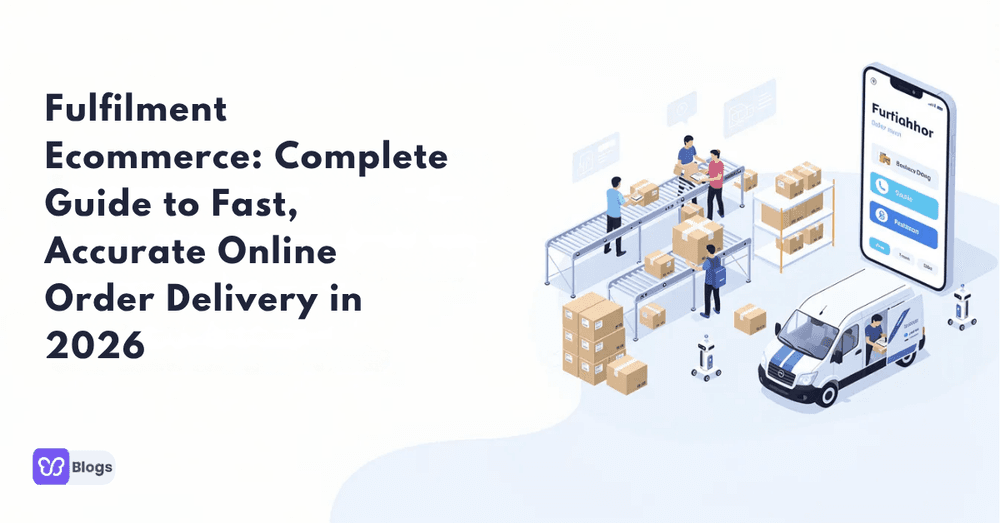
Every successful online store runs on one invisible engine: fulfilment ecommerce. Whether you call it e-commerce fulfillment, fulfillment e commerce, or fulfillment for ecommerce, this operational backbone determines whether your customers receive their orders on time, in perfect condition, and with an experience worth repeating.
Ecommerce fulfillment is the segment of the supply chain that includes receiving bulk goods, storing SKUs in a warehouse, picking and packing orders, and delivering products to customers. It transforms a click into a doorstep delivery through a carefully orchestrated sequence of storage, picking, packing, and shipping.
Modern customer expectations in 2026 have raised the stakes dramatically. Today’s consumers often prioritize delivery speed and reliability over lower costs, with 1-2 day delivery becoming baseline, real-time tracking considered standard, and frictionless returns non-negotiable. Ecommerce fulfillment is crucial for meeting customer expectations, as delays or errors in the fulfillment process can lead to customer dissatisfaction and loss of repeat business.
Consider this real example: a DTC supplement brand switched from scattered self-fulfillment to a distributed 3PL network and reduced average delivery times from 5 days to 1.8 days. The result? Checkout conversions doubled from 2.1% to 4.2% as customers prioritized speed in their purchasing decisions.
This guide covers everything you need to master your ecommerce fulfillment strategy: clear definitions, step-by-step processes, ecommerce fulfillment models, cost structures, enabling technologies, and how to choose the right ecommerce fulfillment provider for your business stage.
What is ecommerce fulfillment? (Clear definition)
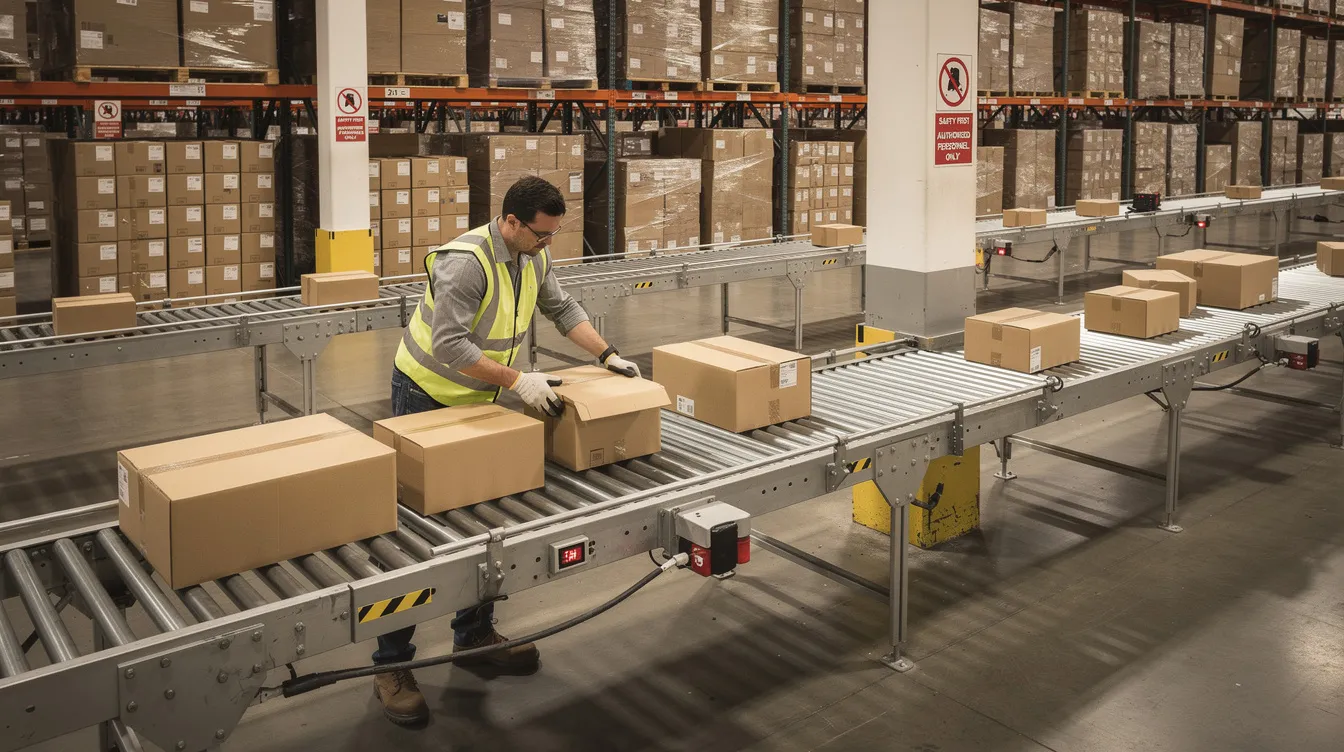
Let’s establish a precise fulfillment e commerce definition: ecommerce fulfillment encompasses all activities from receiving inventory at a warehouse through storing, picking, packing, shipping, and handling returns for online orders.
So what is e-commerce fulfillment in practical terms? It’s the operational system that transforms a customer’s purchase into a delivered package. When someone asks “what is ecommerce fulfillment?” the simplest answer is: everything that happens between a customer clicking “buy” and that order arriving at their door.
Here’s how e commerce order fulfillment differs from related concepts:
Term | Definition |
|---|---|
Warehousing | Static storage of inventory |
Shipping | Outbound transport only |
Customer service | Post-purchase communication |
Fulfillment | Complete orchestration of receiving, storing, picking, packing, shipping, and returns |
Within the broader supply chain, ecommerce fulfillment sits as the critical middle link: suppliers ship via inbound freight to fulfillment centers, where ecommerce fulfillment logistics bridge to last-mile carriers like UPS, FedEx, or DHL for final delivery. Store owners and customers can use sites like Track My Package to track delivery status and monitor shipments. However, having a fulfillment center helps manage the entire order fulfillment process before shipping begins.
Traditional retail fulfillment differs significantly from fulfilled e-commerce operations. Retail moves pallets to stores for shelf stocking; ecommerce demands individualized parcel fulfillment at high velocity. Returns in eCommerce often reach rates of 20-30%, compared to retail’s typical 5-8%. This volume requires dedicated internet sales/fulfillment infrastructure built for speed, accuracy, and reverse logistics capability.
Any serious ecommerce fulfillment business must track every SKU from “received” to “delivered,” using warehouse management systems for real-time visibility across the entire operation.
Core ecommerce fulfillment process: From click to delivery
The ecommerce fulfillment process involves several distinct steps, including receiving inventory, warehousing, picking and packing orders, shipping, and managing returns. Each step directly impacts speed, accuracy, and customer satisfaction for online retailers.
Throughout this workflow, automation and software plug in at critical points: Warehouse Management Systems (WMS) coordinate inventory, Inventory Management Software (IMS) tracks stock levels, and Order Management Systems (OMS) route orders efficiently. Understanding this process reveals where in house fulfillment makes sense versus when third party fulfillment or third party logistics becomes necessary.
Receiving and inbound inventory
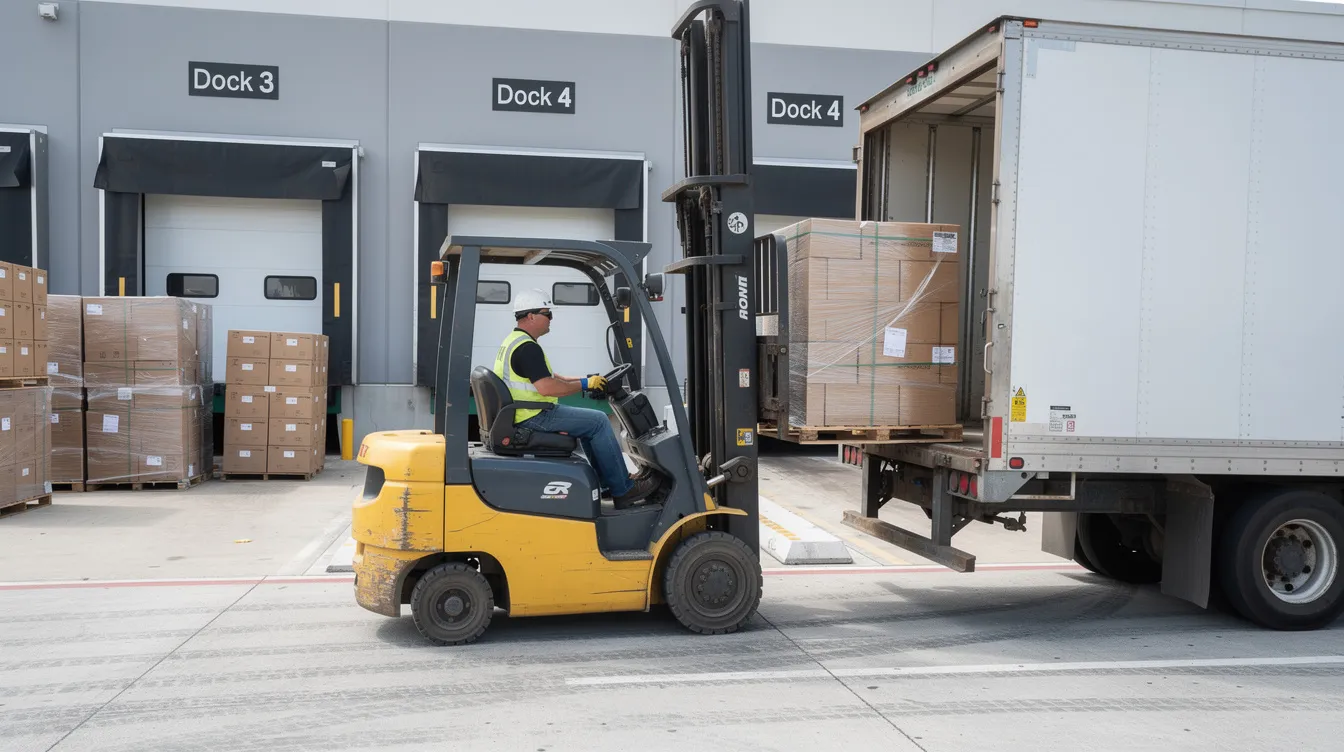
The fulfillment journey begins when cartons or pallets arrive from manufacturers or wholesalers at a warehouse or fulfillment center. This inbound phase sets the foundation for everything that follows.
Practical inbound steps include:
- Unloading shipments at the dock
- Cross-checking against purchase orders and Advance Shipping Notices (ASNs)
- Quality inspection for damage
- Applying barcodes and SKU labels
- Updating inventory counts in the system
Accurate receiving prevents stock discrepancies and backorders—ShipBob reports that stock discrepancies cause 15% of lost sales. Maintaining 99.5% receiving accuracy is essential to avoid downstream fulfillment problems.
For direct order fulfillment models like dropshipping, inbound rules differ entirely. Inventory may bypass the seller’s warehouse completely, routing straight from supplier to end customer, reducing holding costs by 40-60% but introducing different control challenges.
Inventory storage and management
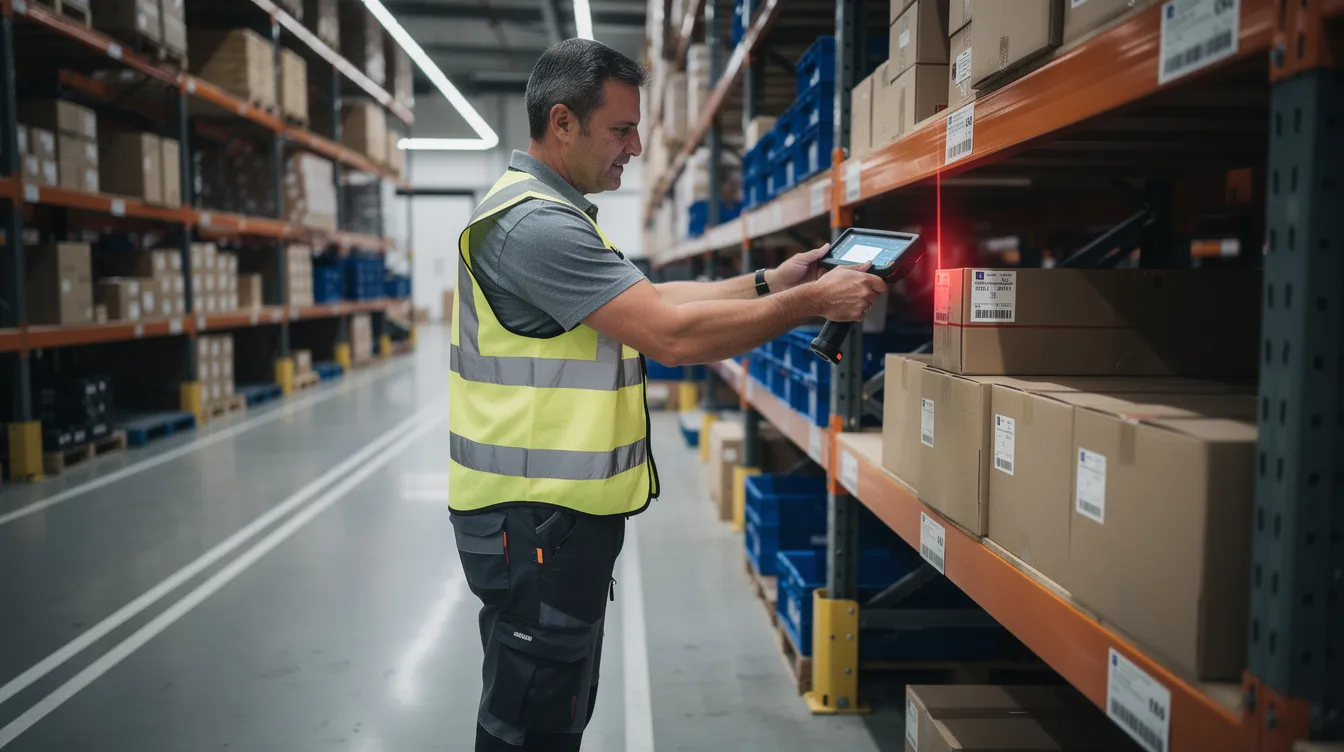
Post-receiving, items slot into bin locations—shelves, racks, or bins—mapped within a WMS for faster picking. Each item receives SKU numbers, lot numbers where applicable, and status tags like “awaiting fulfillment,” “allocated,” or “fulfilled” for precise control.
Inventory management involves monitoring and tracking stocked goods, including storing, ordering, restocking, and forecasting inventory levels. Effective inventory management is crucial for optimizing margins without sacrificing customer experience, balancing missed sales opportunities and inventory carry costs.
Common storage strategies include:
- FIFO (First-In-First-Out): Essential for perishables or date-sensitive items
- FEFO (First-Expired-First-Out): Critical for supplements, food, cosmetics
- ABC classification: High-value, fast-moving items (A) occupy prime picking locations
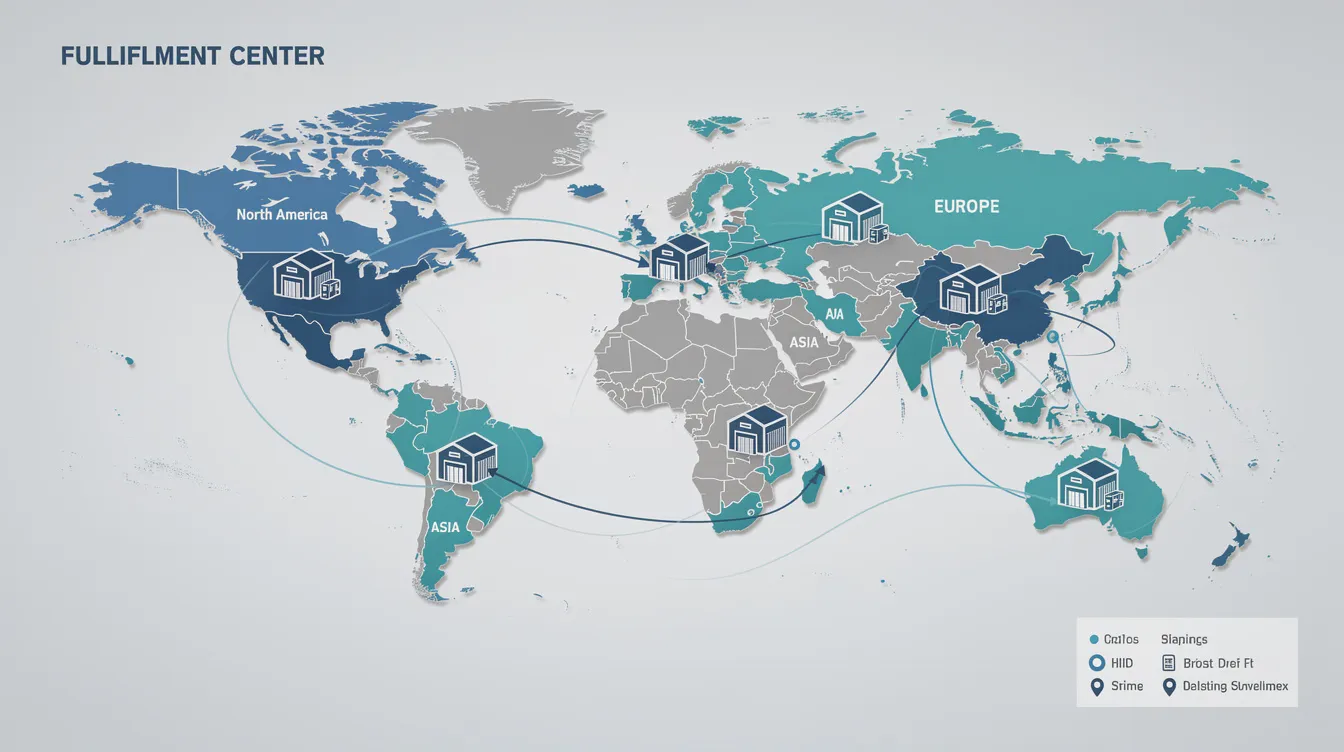
Using multiple regional warehouses helps reduce last-mile shipping costs and delivery times. Brands operating from 3+ fulfillment nodes typically achieve 30% faster delivery compared to single-location operations.
Picking and packing orders
When an online order hits the system, the fulfillment center springs into action. The WMS generates pick lists, and workers use mobile scanners, pick-to-light systems, or voice-directed picking to locate items.
Picking methods vary by operation:
| Method | Best For |
|---|---|
| Single order picking | Low volume, high accuracy needs |
| Batch picking | Grouping 10-20 similar orders |
| Zone picking | Workers stay in assigned areas |
| Cluster picking | Multiple orders simultaneously |
Packing best practices include right-sized boxes (saving up to 20% on materials), protective void fillers, branded inserts for unboxing experience, and correctly formatted shipping labels.
Aim for a 99%+ order accuracy rate to minimize costly returns. Accurate fulfillment directly impacts customer satisfaction, with shipping and fulfillment issues being among the leading causes of negative reviews and support tickets. This step shapes marketplace rankings and directly influences conversion rates.
Shipping and last-mile delivery
Packed orders move from the packing station to carrier manifests via multi-carrier shipping software. Rate shopping across carriers—UPS, FedEx, USPS, DHL, regional carriers—optimizes for cost and speed based on destination zone.
Service levels and typical impacts:
| Service | Cost Range | Use Case |
|---|---|---|
| Economy | $5-8/order | Price-sensitive, flexible customers |
| Standard | $8-12/order | Balanced speed and cost |
| Express | $15-20/order | Urgent orders, premium customers |
| Same-day | $20+/order | Local, time-critical delivery |
Zone-based pricing significantly affects final delivery cost—zone-skipping strategies like cross-docking can trim shipping costs 10-15%. A strong ecommerce fulfillment provider negotiates 20-40% better carrier rates than individual merchants typically access.
Diversifying carriers helps mitigate risks from strikes or service disruptions in logistics. Relying on a single carrier creates vulnerability during peak seasons or unexpected disruptions.
Returns management and reverse logistics
Returns represent a substantial operational challenge, often comprising 25-30% of orders in apparel and footwear categories. The reverse logistics process involves:
- Receiving returned parcels
- Inspecting and grading (resellable, refurbish, recycle)
- Restocking or writing off inventory
- Processing refunds or exchanges
A simple, clearly communicated return process is critical in fulfilment ecommerce, particularly for apparel, footwear, and electronics where fit and function uncertainties drive high return rates.
Returns impact stock accuracy, cash flow, and customer lifetime value. Offering pre-printed return labels, online return portals, and automated refunds streamlines internet sales/fulfillment operations while maintaining customer trust.
Ecommerce fulfillment models and strategies
The main ecommerce fulfillment models include self-fulfillment (in-house), third party logistics (outsourcing), dropshipping, and hybrid approaches. Each model suits different order volumes, margin profiles, and growth stages.
Industry data shows 84% of brands now leverage third-party fulfillment for at least some orders, while many mix models by SKU, region, or sales channel to balance control and scalability. Understanding these ecommerce fulfillment services options helps you select the right fulfillment strategy for your current stage and future growth.
In house fulfillment (self-fulfillment)
In house fulfillment means storing, picking, packing, and shipping out of your own garage, office, or warehouse. Self-fulfillment, or in-house fulfillment, is when a business fulfills orders within its own facilities, using its own labor and technology without help from a third-party fulfillment company.
Benefits of house fulfillment:
- Full control over packaging and branding
- Close oversight of inventory
- No 3PL minimums or contracts
- Direct quality control
Drawbacks:
- Time-intensive for founders
- Harder to scale beyond ~50-100 orders per day
- Rising labor costs ($15-25/hour) and storage costs ($1-2/sq ft/month)
- Peak-season hiring challenges with 30-50% turnover rates
Using in-house fulfillment is best for under 50 orders per day. Self fulfillment makes sense for early-stage brands validating product-market fit, highly customized goods, or fragile items requiring specialized handling.
Third party logistics (3PL) and third party fulfillment
Third party logistics and third party fulfillment involve outsourcing warehousing, picking, packing, and shipping to a specialist partner. Third-party fulfillment involves outsourcing the fulfillment process to a professional fulfillment company, which handles storing inventory, packing items, and shipping orders to customers.
A third party logistics company provides:
- Multi-node warehouse networks
- Negotiated carrier rates
- Fulfillment software integrations
- Scalable labor force
Third-Party Logistics (3PL) providers are recommended when volume exceeds 200 orders per day. Outsourcing fulfillment to a specialized partner can enhance scalability and efficiency in logistics.
Typical onboarding steps with a third party logistics 3pl provider:
- Contract negotiation and signing
- Systems integration (API connections to your ecommerce platform)
- Inbound stock shipment to fulfillment centers
- Test orders and quality verification
- Go-live and ongoing optimization
A good ecommerce fulfillment provider reduces shipping times by 30%, cuts operational overhead, and supports international expansion. Fulfillment by Amazon (FBA) is one example—a service where sellers send their products to Amazon fulfillment centers, and Amazon takes care of storage, packing, and shipping for orders placed on its platform. Amazon multi channel fulfillment extends this to other sales channels.
Dropshipping and direct order fulfillment
Direct order fulfillment or dropshipping routes orders directly to a manufacturer or wholesaler who ships to the customer. Dropshipping is a fulfillment strategy where the seller does not keep products in stock but instead transfers customer orders directly to a supplier, who then ships the products directly to the customer.
Advantages:
- No inventory risk
- Low upfront capital requirements
- Easy catalog expansion for online retailers
- No warehouse space needed
Trade-offs:
- Less control over packaging and delivery times
- Quality variability across suppliers
- Dependence on supplier stock levels
- Typically 20-30% longer delivery times (7-14 days)
Dropshipping works best for testing new product lines, long-tail SKUs with unpredictable demand, and low-margin accessories where inventory risk outweighs margin considerations.
Hybrid fulfillment strategies
Hybrid fulfillment combines self-fulfillment, 3PL, and dropshipping into one cohesive strategy. Hybrid fulfillment combines different fulfillment methods, allowing businesses to use both in-house fulfillment and third-party logistics to meet varying needs and optimize their operations.
Practical hybrid examples:
| Product Category | Fulfillment Method | Rationale |
|---|---|---|
| Core SKUs (70%) | 3PL network | Scale and speed |
| VIP/Limited editions (10%) | In-house | Custom touches |
| Bulky/slow-moving (20%) | Dropship | Avoid storage costs |
This approach supports omnichannel sales (DTC, marketplaces, B2B) while reducing risk 25-40%. A central order management system routes orders intelligently between options based on inventory location, delivery address, and service level requirements.
Technology and data behind modern ecommerce fulfillment
Efficient e-commerce fulfillment now relies heavily on integrated technology rather than manual spreadsheets. The gap between modern fulfillment operations and legacy approaches widens every year as customer expectations intensify.
Key system types include:
- Order Management System (OMS): Centralizes orders from all sales channels
- Warehouse Management System (WMS): Coordinates physical inventory operations
- Inventory Management Software (IMS): Tracks stock levels and forecasting
- Shipping platforms: Multi-carrier rate shopping and label generation
APIs connect online stores (Shopify, WooCommerce, Amazon, marketplaces) to fulfillment solutions, enabling real-time data flow. Analytics monitor delivery times, error rates, and warehouse productivity for continuous improvement.
Inventory and order management systems
Real-time stock syncing across channels prevents overselling and backorders. Sync multi-channel inventory using an Order Management System (OMS) or Warehouse Management System (WMS) to provide a single source of truth for stock levels.
Essential features for any ecommerce business:
- Low-stock alerts and reorder triggers
- Demand forecasting using historical data
- Purchase order automation
- Multi-location inventory visibility
Data visibility prevents common fulfillment pitfalls, such as overselling or stockouts. Proper inventory management requires tools and strategies to ensure accurate records across all sales channels and fulfillment centers, enabling faster and more accurate fulfillment times.
Centralized order management routes orders to the optimal warehouse based on stock availability, destination proximity, and service level requirements. These systems become essential for any serious ecommerce fulfillment business scaling beyond a few hundred orders monthly.
Automation, robotics, and smart warehouses
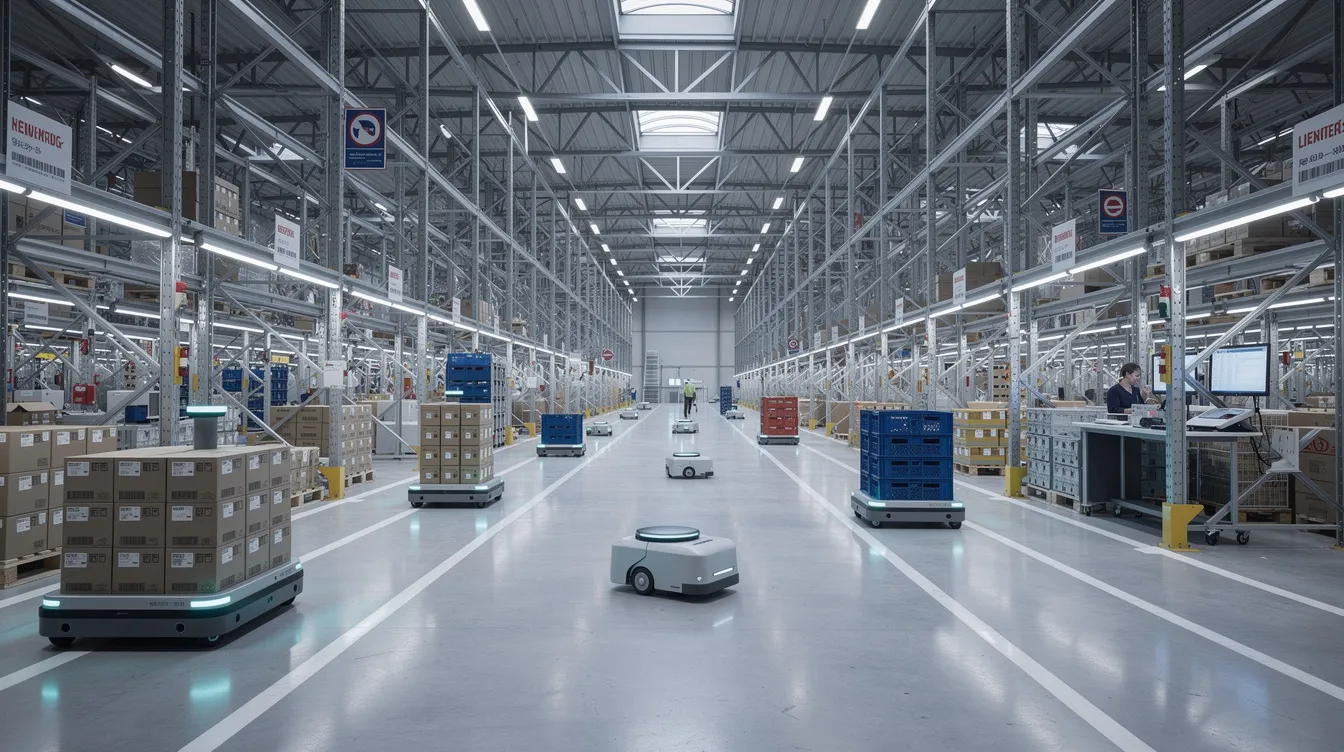
Current automation trends reshaping ecommerce fulfillment centers include:
- Conveyor systems for efficient movement
- Autonomous mobile robots (AMRs) handling 40% of warehouse moves
- Pick-to-light systems reducing errors below 0.5%
- Automated sortation for high-volume operations
Automation reduces labor cost per order by approximately 30%, boosts accuracy, and supports high-volume peak events like Black Friday and Cyber Monday. AI-powered forecasting prevents up to 90% of stockouts by predicting demand patterns.
Small brands access this technology indirectly by partnering with advanced 3PL providers who have already made the capital investment. Even smaller in-house operations benefit from simple automations: rules-based workflows, barcode scanning, and automated order routing.
Customer-facing technology: tracking, notifications, and self-service
Providing real-time tracking can improve customer experience and trust in the fulfillment process. Branded tracking pages, proactive SMS and email updates, and delivery ETAs significantly improve perceived e-commerce fulfillment quality.
Transparent status updates reduce support tickets—“Where is my order?” queries drop dramatically with proactive communication. This reduces operational costs while increasing customer satisfaction.
Self-service returns portals and online exchanges streamline reverse logistics. Customers appreciate control over their post-purchase experience, and brands reduce manual handling of return requests.
Strong post-purchase communication directly connects to higher repeat-purchase rates, better reviews, and improved customer lifetime value.
Costs of ecommerce fulfillment and how to control them
Understanding ecommerce fulfillment cost structure helps you make informed decisions about fulfillment operations. Typical cost components include:
| Cost Category | Range |
|---|---|
| Receiving | $0.50-2.00 per carton |
| Storage | $0.25-0.75 per pallet/month |
| Pick and pack | $2-4 base + $0.50 per additional item |
| Packaging materials | $0.50-3.00 per order |
| Shipping | 50-70% of total fulfillment cost |
| Returns handling | $3-8 per return |
In house fulfillment carries fixed costs (warehouse rent, salaried staff, equipment) while 3PLs typically charge variable, per-order fees. Shipping is usually the largest line item—zone-skipping, distributed inventory, and packaging optimization significantly reduce spend.
Calculate your cost per order and contribution margin to determine which ecommerce fulfillment models make financial sense for your business.
Cost comparison: in house vs. outsourcing fulfillment
Consider a brand shipping 1,000 orders per month:
In-house scenario:
- Labor: ~$4,000/month (dedicated fulfillment staff)
- Warehouse space: ~$1,500/month
- Packaging and supplies: ~$1,500
- Shipping (self-negotiated rates): ~$8,000
- Total: ~$15,000 ($15/order)
Outsourcing fulfillment scenario:
- 3PL fees (pick/pack): ~$3,500
- Storage: ~$500
- Shipping (3PL-negotiated rates): ~$6,000
- Total: ~$10,000 ($10/order)
In-house becomes financially sensible for very low volume (under 50 orders/day), high-margin custom goods requiring personal touches, or local delivery models. Outsourcing fulfillment wins for national or international reach and rapid growth scenarios.
Hidden costs of self-fulfillment include:
- Founder time (opportunity cost)
- Hiring and training cycles
- Staff turnover (30-50% annually in warehouse roles)
- Lease commitments
- Equipment maintenance
- Packaging waste from suboptimal box sizing
Periodically revisit the build-vs-buy decision as order volume and product mix evolve.
Negotiating and optimizing with a fulfillment partner
Understanding rate cards helps you negotiate effectively:
| Fee Type | Optimization Strategy |
|---|---|
| Per-unit pick fees | Batch similar SKUs together |
| Additional item fees | Bundle products when possible |
| Storage (cubic foot) | Improve inventory turns |
| Special handling surcharges | Standardize packaging |
Strategies to reduce fees with your ecommerce fulfillment partner:
- Standardize packaging sizes
- Increase average order size through bundling
- Commit to volume minimums for rate discounts
- Adjust service levels based on product margins
Regularly auditing performance using key metrics can help identify bottlenecks in fulfillment processes. Track KPIs including cost per shipped order, shipping upgrade rate, and storage cost as percentage of revenue.
A transparent, data-driven fulfillment partner should proactively help you optimize costs over time rather than simply billing for services rendered.
How to choose the right ecommerce fulfillment provider
Selecting the right fulfillment partner requires treating the decision strategically rather than simply comparing price lists. When choosing a fulfillment provider, consider their warehouse locations to ensure they can ship to your customer base efficiently.
The ideal partner depends on your product type, average order size, regions served, and required delivery speeds. A strong fulfillment partner should support both current operations and future expansion into new channels, regions, or product lines.
Key criteria: network, capabilities, and SLAs
Network questions to ask:
- How many fulfillment centers? Where located?
- Can you reach 95% of customers in 1-2 days?
- Do you have international fulfillment centers?
- What percentage of domestic orders ship same-day?
Capability checks:
- Kitting and subscription box assembly
- B2B/wholesale order handling
- Custom packaging options
- Fragile or regulated goods (cold chain, hazmat, GMP compliance)
Evaluate the types of products the fulfillment provider specializes in to ensure they can handle your specific inventory needs effectively. It’s important to assess the order volume that a fulfillment provider typically handles to find one that aligns with your business needs.
Service Level Agreements (SLAs) should specify:
- Order cut-off times for same-day fulfillment
- On-time shipping rates (target: 99%+)
- Order accuracy guarantees
- Peak season performance commitments
Request references and historical performance data, especially for peak seasons like Black Friday and holiday periods.
Technology, integrations, and data visibility
Confirm native integrations with your ecommerce platform (Shopify, WooCommerce, BigCommerce), marketplaces (Amazon, eBay, Walmart), and ERP systems. Manual data entry creates errors and delays.
Essential technology requirements:
- Real-time dashboards showing inventory across all nodes
- Order status visibility throughout fulfillment
- Shipment tracking integration
- Low-stock alerts and reporting
For more advanced brands, ask about API access, webhooks, and granular reporting capabilities. Modern ecommerce fulfillment services should feel like an extension of your tech stack, not a black box requiring constant follow-up.
Scalability, support, and culture fit
Choose a fulfillment provider that handles growth from hundreds to tens of thousands of orders monthly without requiring migration to a new partner.
Evaluate:
- Onboarding timeline (target: under 30 days)
- Account management structure and responsiveness
- Support team availability and escalation procedures
- Volume flexibility in contracts
Align on operational philosophy: tolerance for experimentation, approach to continuous improvement, and communication preferences. Long-term relationships with your ecommerce fulfillment provider depend on trust, transparency, and aligned incentives.
Best practices to win with fulfilment ecommerce in 2026
Best practices for managing eCommerce fulfillment involve optimizing inventory, automating operations, and enhancing customer communication. These tactics apply whether you’re a startup validating product-market fit or a mature ecommerce business scaling globally.
Effective ecommerce fulfillment requires a well-thought-out strategy to meet customer expectations for fast shipping and accurate order handling, which can significantly impact customer satisfaction and repeat purchases. Fulfillment is now a core part of customer experience, not simply a back-office function.
Speed, reliability, and transparency as competitive advantages
Set clear delivery promises and hit them consistently. Examples:
- “Order by 2 PM for same-day dispatch”
- “Free 2-day shipping on orders over $50”
- “Guaranteed delivery by [date] or your shipping is free”
Use delivery speed strategically in marketing. Geo-targeted ads promoting 1-2 day delivery in covered regions convert significantly higher than generic shipping messaging.
A well-executed ecommerce fulfillment strategy can enhance customer loyalty and encourage repeat purchases by ensuring timely and accurate delivery of orders. Proactive communication for delays, exceptions, and backorders maintains trust even when problems occur.
Reliable e commerce order fulfillment connects directly to:
- Higher repeat purchase rates
- More positive reviews
- Stronger word-of-mouth growth
- Reduced customer service load
Designing your fulfillment around the customer journey
Map the entire post-purchase journey:
- Checkout: Clear shipping options with accurate delivery dates
- Confirmation: Immediate email with order details
- Processing: Updates when order ships
- Transit: Real-time tracking and proactive delay notifications
- Delivery: Confirmation and follow-up
- Returns: Simple, self-service process
Align packaging, inserts, and follow-up emails with brand positioning—whether premium, sustainable, or value-focused. The unboxing experience shapes perception as much as the product itself.
Use feedback loops (CSAT surveys, NPS, delivery-specific questions) to continuously refine fulfillment operations. What customers tell you about delivery experience reveals optimization opportunities invisible in internal metrics.
Ecommerce Fulfillment FAQs
1. What is the difference between fulfillment and shipping?
Shipping refers only to the outbound transport of packages to customers. Fulfillment encompasses the entire fulfillment process: receiving inventory, storing it, picking and packing orders, shipping, and handling returns.
2. When should I switch from self-fulfillment to a 3PL?
Most brands benefit from transitioning when order volume consistently exceeds 50-100 orders daily. At this volume, the cost efficiency and time savings from outsourcing typically outweigh the control benefits of in-house operations.
3. How do I reduce fulfillment costs?
Focus on distributed inventory (reduces shipping zones), optimized packaging (right-sized boxes), carrier diversification (competitive rates), and higher order accuracy (fewer returns and reshipping costs).
4. What technology do I need for ecommerce fulfillment?
At minimum: inventory management system, order management system, and shipping software. As you scale, warehouse management systems and advanced analytics become essential for maintaining efficiency.
Brands that treat fulfillment for ecommerce as a strategic growth lever—not just an operational necessity—will consistently outperform competitors in 2026’s demanding landscape. The gap between optimized fulfillment operations and legacy approaches widens every year as customer expectations continue rising.
Start by auditing your current fulfillment operations against the criteria covered in this guide. Identify your biggest bottlenecks, whether that’s delivery speed, accuracy, cost, or scalability. Then take action: whether optimizing your in-house operation, evaluating 3PL partners, or implementing the technology integrations that provide visibility and control.
Your fulfillment strategy directly shapes your customer experience, your unit economics, and your ability to scale. Make it a priority.

Author
Debutify
Debutify is the easiest way to launch and scale your eCommerce brand.